THE ADVENTURE COLLECTIVE® · Independent discovery and booking for outdoor travel

Experience two sides of Nairobi in one day: an informed, respectful walk through Kibera with a local guide, followed by an energetic cultural dance show at Bomas of Kenya. Practical tips and cultural context help you prepare for both settings.
Experience two sides of Nairobi in one day: an informed, respectful walk through Kibera with a local guide, followed by an energetic cultural dance show at Bomas of Kenya. Practical tips and cultural context help you prepare for both settings.
You step from the car into a neighborhood that moves at its own pace: narrow paths threaded between corrugated roofs, vendors calling out, and children weaving through the crowd as the guide from Kibera points out a community garden. The air carries the sharp tang of dust and smoke, and the pulse of daily life is immediate and human.
Verified experiences and guided adventures in the surrounding area.
Operated by Muringa Kenya Tours & Safaris Ltd · Nairobi, Nairobi County
You step from the car into a neighborhood that moves at its own pace: narrow paths threaded between corrugated roofs, vendors calling out, and children weaving through the crowd as the guide from Kibera points out a community garden. The air carries the sharp tang of dust and smoke, and the pulse of daily life is immediate and human.
Kibera is Africa’s largest urban informal settlement and its story is one of rapid urban migration, grassroots entrepreneurship and improvisation. Much of the area sits on gently rolling ground carved by seasonal streams; the site’s geology is Nairobi’s volcanic-influenced soils overlying Nairobi’s plateau. The tour balances social history and contemporary culture — you’ll enter a typical Kibera home, see nursery schools and small-scale workshops where ornaments and crafts are made from local materials, and meet residents running water kiosks and shower stalls.
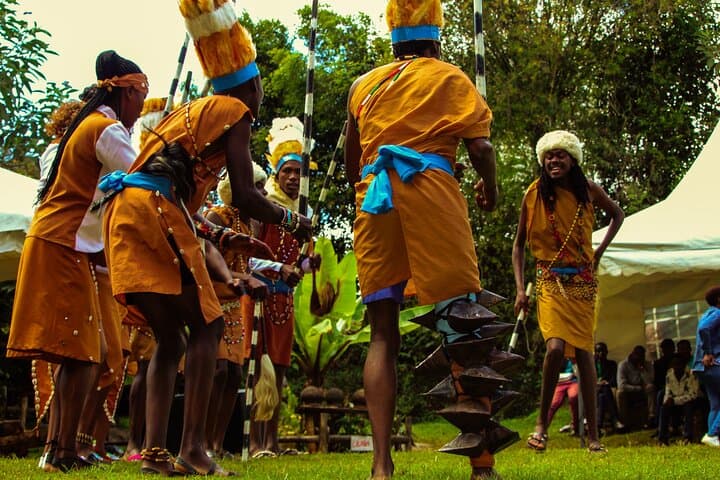
The afternoon shifts to Bomas of Kenya, an organized cultural complex in Lang'ata where resident troupes perform traditional dances and songs from across Kenya — from Swahili taarab to Kalenjin warrior dances and Embu drumming — offering a structured counterpoint to the raw immediacy of the Kibera walk.
Practical guidance: the combined half-day tour runs about five hours including round-trip transfer; wear sturdy, closed-toe shoes for uneven paths, carry small bills for lunch and souvenirs, and ask permission before taking photos. Bring a light jacket for changing weather, hydrate with the provided bottled water, and plan for modest walking distances and frequent stops for conversations with local hosts.
easy.
5 hours.
Light walking on uneven urban paths; suitable for most fitness levels who can walk short distances and stand during the cultural show.
Tours led by local, vetted guides are generally safe during daytime; follow your guide’s directions, keep valuables discreet, and avoid wandering off the group.
No — there’s a lunch stop at your own expense between Kibera and Bomas; cash is recommended for street or casual restaurants.
Yes — pickup and drop-off from Nairobi hotels are included in the tour price as noted in the inclusions.
Yes — the tour is suitable for families and is described as physically easy, but parents should prepare children for crowded spaces and conversational topics about poverty.
Kibera grew rapidly during the 20th century as migrants settled near Nairobi for work; Bomas of Kenya was opened in the 1970s to preserve and showcase traditional dances and cultural practices.
Visitors should minimize waste and avoid single-use plastics where possible; supporting local social enterprises and buying crafts directly from makers channels income into the community.
Muringa Kenya Tours & Safaris Ltd operates guided outdoor trips and adventures with an emphasis on safety, stewardship, and memorable experiences.



You step from the car into a neighborhood that moves at its own pace: narrow paths threaded between corrugated roofs, vendors calling out, and children weaving through the crowd as the guide from Kibera points out a community garden. The air carries the sharp tang of dust and smoke, and the pulse of daily life is immediate and human.
You step from the car into a neighborhood that moves at its own pace: narrow paths threaded between corrugated roofs, vendors calling out, and children weaving through the crowd as the guide from Kibera points out a community garden. The air carries the sharp tang of dust and smoke, and the pulse of daily life is immediate and human.
Kibera is Africa’s largest urban informal settlement and its story is one of rapid urban migration, grassroots entrepreneurship and improvisation. Much of the area sits on gently rolling ground carved by seasonal streams; the site’s geology is Nairobi’s volcanic-influenced soils overlying Nairobi’s plateau. The tour balances social history and contemporary culture — you’ll enter a typical Kibera home, see nursery schools and small-scale workshops where ornaments and crafts are made from local materials, and meet residents running water kiosks and shower stalls.
The afternoon shifts to Bomas of Kenya, an organized cultural complex in Lang'ata where resident troupes perform traditional dances and songs from across Kenya — from Swahili taarab to Kalenjin warrior dances and Embu drumming — offering a structured counterpoint to the raw immediacy of the Kibera walk.
Practical guidance: the combined half-day tour runs about five hours including round-trip transfer; wear sturdy, closed-toe shoes for uneven paths, carry small bills for lunch and souvenirs, and ask permission before taking photos. Bring a light jacket for changing weather, hydrate with the provided bottled water, and plan for modest walking distances and frequent stops for conversations with local hosts.