THE ADVENTURE COLLECTIVE® · Independent discovery and booking for outdoor travel

Walk Kibera’s alleys with a local guide, then swap city life for close-up wildlife at Sedmak Gardens. This full-day tour pairs cultural immersion with animal encounters and practical tips for respectful, safe travel.
Walk Kibera’s alleys with a local guide, then swap city life for close-up wildlife at Sedmak Gardens. This full-day tour pairs cultural immersion with animal encounters and practical tips for respectful, safe travel.
By mid-morning the city unfurls: corrugated roofs, narrow lanes, and voices threading through alleys as you step into Kibera. The guide leads, the air carrying market calls and the occasional scent of fresh chai, while sunlight slices between buildings and a breeze pushes dust and conversation past you.
Verified experiences and guided adventures in the surrounding area.
Operated by Gracepatt Ecotours Kenya · Nairobi, Nairobi County
By mid-morning the city unfurls: corrugated roofs, narrow lanes, and voices threading through alleys as you step into Kibera. The guide leads, the air carrying market calls and the occasional scent of fresh chai, while sunlight slices between buildings and a breeze pushes dust and conversation past you.
Kibera began as a settlement for Nubian soldiers in the early 20th century and grew into one of Africa’s largest informal neighborhoods as rural migrants pressed into Nairobi’s expanding economy. Geologically you’re on the Nairobi Plateau—highland soil over volcanic bedrock that slopes toward the Rift Valley—so the city feels higher and cooler than the equator suggests.
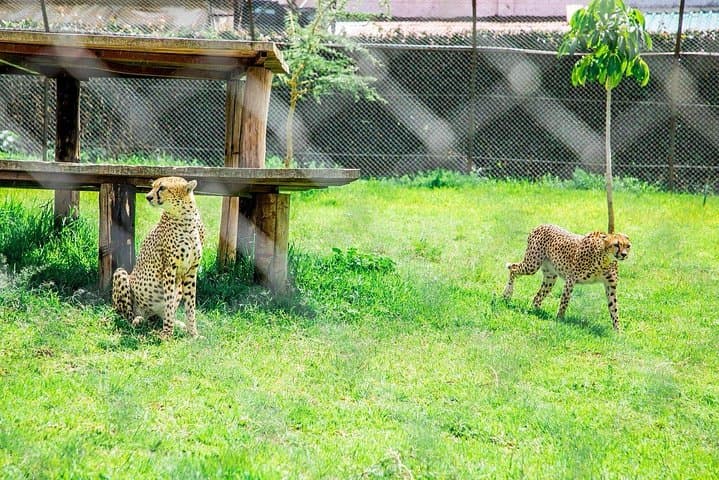
This day pairs a community-focused walking tour—workshops, schools, and small-scale enterprises—with a later visit to Sedmak Gardens, a private animal park where bird songs and the low growl of captive wildlife replace city noise. Expect close-up views of primates, reptiles, and aviary collections; the park’s compact layout makes wildlife accessible without a long safari drive.
Practical guidance: the tour departs mid-morning and runs about eight hours with light walking and standing. Wear closed-toe shoes and modest clothing, carry sunscreen and small change for food or crafts, and bring binoculars for birdwatching. Photography is fine but always ask before shooting residents. Hydration is covered with bottled water, but carry a small refill bottle for convenience.
The experience is grounded—this is cultural immersion and urban nature in one day—best taken with curiosity, respect, and common-sense safety.
easy.
8 hours.
Suitable for most fitness levels; participants should be able to walk short distances and stand for guided talks.
Tours are guided and structured; stay with your guide, avoid wandering alone, and follow local rules—this keeps visits safe and respectful.
Lunch at Sedmak Gardens is not included—there are on-site options to purchase food, and carrying small cash is recommended.
Photography is allowed but request permission first; guides will advise when photos are appropriate to protect privacy and dignity.
Yes—pickups are typically arranged from central Nairobi hotels or designated points; confirm your pickup details at booking.
Kibera’s origins trace to early 20th-century settlements for Nubian soldiers; decades of migration transformed it into a dense, entrepreneurial neighborhood in Nairobi.
Support local projects directly and minimize waste; responsible visits that respect residents and wildlife help reduce tourism pressure and fund community initiatives.
Gracepatt Ecotours Kenya operates guided outdoor trips and adventures with an emphasis on safety, stewardship, and memorable experiences.



By mid-morning the city unfurls: corrugated roofs, narrow lanes, and voices threading through alleys as you step into Kibera. The guide leads, the air carrying market calls and the occasional scent of fresh chai, while sunlight slices between buildings and a breeze pushes dust and conversation past you.
By mid-morning the city unfurls: corrugated roofs, narrow lanes, and voices threading through alleys as you step into Kibera. The guide leads, the air carrying market calls and the occasional scent of fresh chai, while sunlight slices between buildings and a breeze pushes dust and conversation past you.
Kibera began as a settlement for Nubian soldiers in the early 20th century and grew into one of Africa’s largest informal neighborhoods as rural migrants pressed into Nairobi’s expanding economy. Geologically you’re on the Nairobi Plateau—highland soil over volcanic bedrock that slopes toward the Rift Valley—so the city feels higher and cooler than the equator suggests.
This day pairs a community-focused walking tour—workshops, schools, and small-scale enterprises—with a later visit to Sedmak Gardens, a private animal park where bird songs and the low growl of captive wildlife replace city noise. Expect close-up views of primates, reptiles, and aviary collections; the park’s compact layout makes wildlife accessible without a long safari drive.
Practical guidance: the tour departs mid-morning and runs about eight hours with light walking and standing. Wear closed-toe shoes and modest clothing, carry sunscreen and small change for food or crafts, and bring binoculars for birdwatching. Photography is fine but always ask before shooting residents. Hydration is covered with bottled water, but carry a small refill bottle for convenience.
The experience is grounded—this is cultural immersion and urban nature in one day—best taken with curiosity, respect, and common-sense safety.