THE ADVENTURE COLLECTIVE® · Independent discovery and booking for outdoor travel

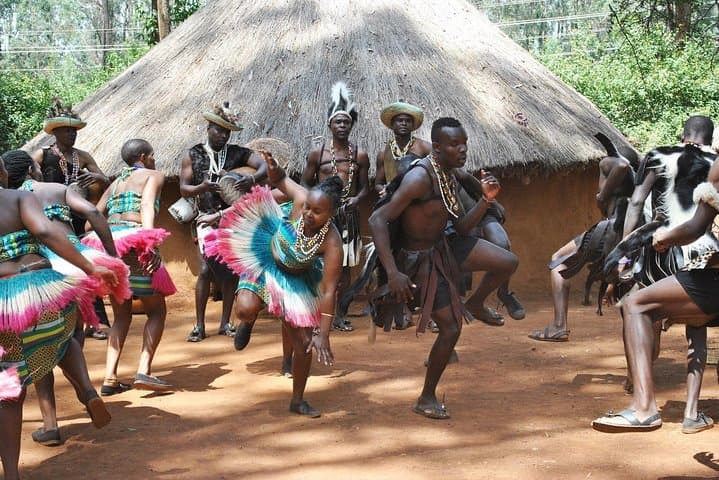
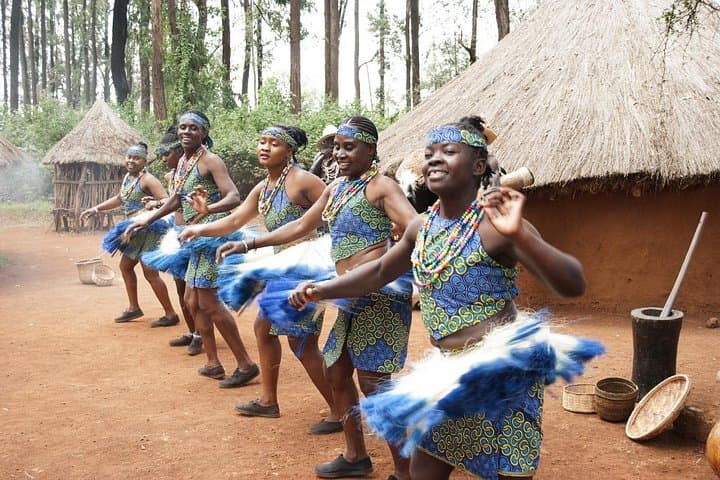
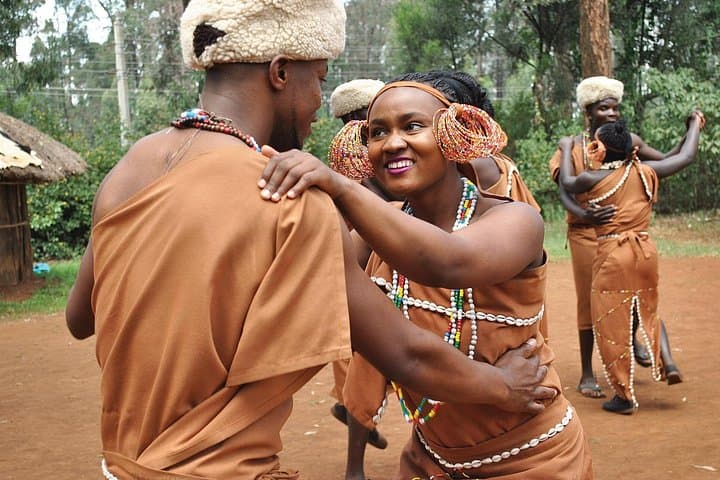
Spend a morning walking through Kibera’s Soweto Village to meet local craftspeople and schoolchildren, then cap the day with an energetic cultural dance show at Bomas of Kenya. This five-hour tour pairs community insight with traditional performance.
Spend a morning walking through Kibera’s Soweto Village to meet local craftspeople and schoolchildren, then cap the day with an energetic cultural dance show at Bomas of Kenya. This five-hour tour pairs community insight with traditional performance.
A dusty minivan pulls away from central Nairobi and the city’s pulse slows into the narrow lanes of Kibera, where corrugated roofs and open courtyards create a checkerboard of human life. You step down into Soweto Village homesteads, the air threaded with the sound of children, market calls, and the faint rhythm of a distant drum.
Verified experiences and guided adventures in the surrounding area.
Operated by Gracepatt Safaris · Nairobi, Nairobi County
A dusty minivan pulls away from central Nairobi and the city’s pulse slows into the narrow lanes of Kibera, where corrugated roofs and open courtyards create a checkerboard of human life. You step down into Soweto Village homesteads, the air threaded with the sound of children, market calls, and the faint rhythm of a distant drum.
Kibera grew out of colonial-era migrant settlements and is one of Africa’s largest informal urban communities; its story is as much social and economic as it is spatial. The tour traces local ingenuity—workshops turning discarded materials into decorative crafts—and visits nursery schools and communal water points that define daily routines. Later, at Bomas of Kenya, you move from lived urban reality to staged cultural celebration: a purpose-built compound established in the 1970s to preserve Kenya’s ethnic dances and music, featuring homestead reconstructions and multi-ethnic performances.
Geology here is cityscape, but the landscape framing both sites—Nairobi’s rolling lowlands and nearby Ngong Hills—shapes settlement patterns and climate. Cultural notes matter: speak softly in private spaces, ask before photographing, and expect energetic dance segments at Bomas showcasing Maasai, Kikuyu, Luhya and other traditions.
Practical guidance: this is an easy, urban walking tour of about five hours—wear comfortable closed-toe shoes, modest clothing, and bring water and small local currency for market purchases and tips. Mornings are cooler and less crowded; reserve time after Bomas for a relaxed return to Nairobi or a stop at a café to unpack what you’ve seen.
easy.
5 hours.
Light urban walking; should be comfortable standing, stepping over uneven ground and entering small homes.
Guided visits are generally safe when following the guide’s instructions, staying with the group, and avoiding displays of valuables.
Yes, but always ask residents before photographing individuals or inside homes; some people decline and guides will advise.
No—lunch is at your own expense; the itinerary includes a stop where you can buy local food or eat at a nearby café.
The tour is suitable for families but involves uneven ground and steps; it may not be ideal for visitors with significant mobility limitations.
Kibera expanded during British colonial rule as a migrant settlement and later grew into a dense informal neighborhood; Bomas of Kenya was founded in the 1970s to celebrate and preserve the country’s ethnic dance traditions.
Support sustainable tourism by buying local crafts directly from makers, avoiding single-use plastics, and respecting community-run programs that reinvest proceeds locally.
Gracepatt Safaris operates guided outdoor trips and adventures with an emphasis on safety, stewardship, and memorable experiences.

A dusty minivan pulls away from central Nairobi and the city’s pulse slows into the narrow lanes of Kibera, where corrugated roofs and open courtyards create a checkerboard of human life. You step down into Soweto Village homesteads, the air threaded with the sound of children, market calls, and the faint rhythm of a distant drum.
A dusty minivan pulls away from central Nairobi and the city’s pulse slows into the narrow lanes of Kibera, where corrugated roofs and open courtyards create a checkerboard of human life. You step down into Soweto Village homesteads, the air threaded with the sound of children, market calls, and the faint rhythm of a distant drum.
Kibera grew out of colonial-era migrant settlements and is one of Africa’s largest informal urban communities; its story is as much social and economic as it is spatial. The tour traces local ingenuity—workshops turning discarded materials into decorative crafts—and visits nursery schools and communal water points that define daily routines. Later, at Bomas of Kenya, you move from lived urban reality to staged cultural celebration: a purpose-built compound established in the 1970s to preserve Kenya’s ethnic dances and music, featuring homestead reconstructions and multi-ethnic performances.
Geology here is cityscape, but the landscape framing both sites—Nairobi’s rolling lowlands and nearby Ngong Hills—shapes settlement patterns and climate. Cultural notes matter: speak softly in private spaces, ask before photographing, and expect energetic dance segments at Bomas showcasing Maasai, Kikuyu, Luhya and other traditions.
Practical guidance: this is an easy, urban walking tour of about five hours—wear comfortable closed-toe shoes, modest clothing, and bring water and small local currency for market purchases and tips. Mornings are cooler and less crowded; reserve time after Bomas for a relaxed return to Nairobi or a stop at a café to unpack what you’ve seen.