THE ADVENTURE COLLECTIVE® · Independent discovery and booking for outdoor travel

Walk through Kibera with a local guide to see markets, schools, craft workshops and a community biogas plant. This guided day tour offers context, practical engagement and clear guidance for respectful visitation.
Walk through Kibera with a local guide to see markets, schools, craft workshops and a community biogas plant. This guided day tour offers context, practical engagement and clear guidance for respectful visitation.
You step down from the van where Ngong Road gives way to a ribbon of corrugated roofs and narrow alleys. The air is a mix of frying oil, wet earth and the sharp tang of market spices; people move like currents around stalls and doorways. Over roughly three kilometers of uneven lanes a guide threads you through Soweto Village homesteads, bead workshops and a community biogas plant that uses waste as fuel.
Verified experiences and guided adventures in the surrounding area.
Operated by Gracepatt Ecotours Kenya · Nairobi, Nairobi County
You step down from the van where Ngong Road gives way to a ribbon of corrugated roofs and narrow alleys. The air is a mix of frying oil, wet earth and the sharp tang of market spices; people move like currents around stalls and doorways. Over roughly three kilometers of uneven lanes a guide threads you through Soweto Village homesteads, bead workshops and a community biogas plant that uses waste as fuel.
Kibera grew quickly during the colonial and post-colonial eras as laborers and veterans settled near Nairobi’s expanding economy. Geologically the area sits on Nairobi’s high plains — compact red soils and improvised foundations define the built landscape rather than formal urban planning. Culturally, Kibera is active and entrepreneurial: beadwork, small metal shops, and marketplaces like Toi hum with daily trade and community initiatives that support schools and clinics.
The tour balances observation with interaction: you’ll see a nursery school supported by donations, a bead factory where animal bone becomes jewelry, and a biogas project aiming to fuel homes. Photography is sensitive — always ask before shooting — and guides emphasize respectful engagement.
Practical guidance: wear covered, broken-in walking shoes and bring a reusable water bottle; lanes are steep and surfaces uneven. Carry minimal valuables, keep a small amount of local currency for purchases, and plan for about six hours including transfers. Respect local advice on tipping and donations; supporting community-run stalls and workshops is the most constructive way to contribute.
easy.
6 hours.
Casual walkers comfortable with 2–4 miles on uneven, sometimes steep surfaces; no special fitness required
Yes—when you join a guided tour that includes hotel pickup and drop-off, local guides help navigate neighborhoods and manage interactions with residents.
Photographs are allowed in many places but always ask permission first; some community spots and people prefer not to be photographed.
Avoid handing out cash directly; tours advise supporting community businesses, buying crafts, or donating to vetted local projects instead.
No—the lanes are narrow, hilly and often unpaved, making accessibility limited for wheelchairs and mobility scooters.
Kibera expanded during colonial and post-colonial periods as laborers and veterans settled close to Nairobi’s urban jobs, growing into one of Africa’s largest informal settlements with strong community organizations.
Several local NGOs run waste-management and biogas projects to reduce pollution and create energy; visitors are encouraged to minimize waste, buy locally, and support community enterprises.
Gracepatt Ecotours Kenya operates guided outdoor trips and adventures with an emphasis on safety, stewardship, and memorable experiences.

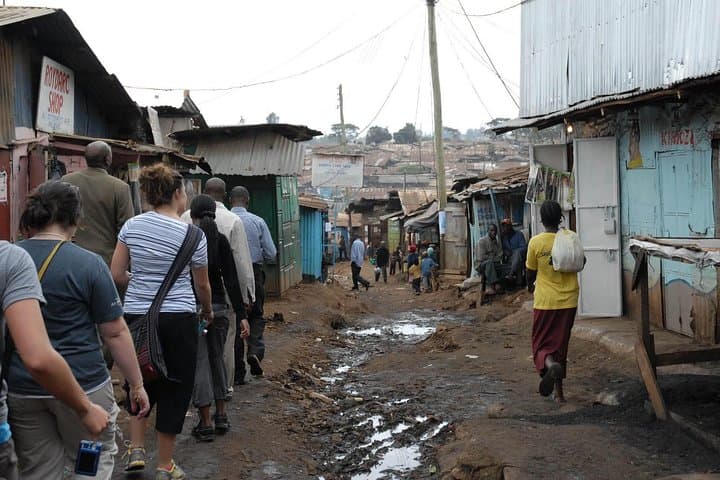


You step down from the van where Ngong Road gives way to a ribbon of corrugated roofs and narrow alleys. The air is a mix of frying oil, wet earth and the sharp tang of market spices; people move like currents around stalls and doorways. Over roughly three kilometers of uneven lanes a guide threads you through Soweto Village homesteads, bead workshops and a community biogas plant that uses waste as fuel.
You step down from the van where Ngong Road gives way to a ribbon of corrugated roofs and narrow alleys. The air is a mix of frying oil, wet earth and the sharp tang of market spices; people move like currents around stalls and doorways. Over roughly three kilometers of uneven lanes a guide threads you through Soweto Village homesteads, bead workshops and a community biogas plant that uses waste as fuel.
Kibera grew quickly during the colonial and post-colonial eras as laborers and veterans settled near Nairobi’s expanding economy. Geologically the area sits on Nairobi’s high plains — compact red soils and improvised foundations define the built landscape rather than formal urban planning. Culturally, Kibera is active and entrepreneurial: beadwork, small metal shops, and marketplaces like Toi hum with daily trade and community initiatives that support schools and clinics.
The tour balances observation with interaction: you’ll see a nursery school supported by donations, a bead factory where animal bone becomes jewelry, and a biogas project aiming to fuel homes. Photography is sensitive — always ask before shooting — and guides emphasize respectful engagement.
Practical guidance: wear covered, broken-in walking shoes and bring a reusable water bottle; lanes are steep and surfaces uneven. Carry minimal valuables, keep a small amount of local currency for purchases, and plan for about six hours including transfers. Respect local advice on tipping and donations; supporting community-run stalls and workshops is the most constructive way to contribute.