THE ADVENTURE COLLECTIVE® · Independent discovery and booking for outdoor travel

Walk the lanes of Kibera with a local guide to meet entrepreneurs, school projects, and empowerment groups. This 1–3 hour neighborhood visit offers candid cultural exchange and a close-up look at grassroots urban enterprise.
Walk the lanes of Kibera with a local guide to meet entrepreneurs, school projects, and empowerment groups. This 1–3 hour neighborhood visit offers candid cultural exchange and a close-up look at grassroots urban enterprise.
The sun threads through narrow lanes of corrugated tin and painted walls as your guide leads you into Kibera — a densely packed urban neighborhood that hums with commerce and community. Voices negotiate over produce stalls, children run past a sewing cooperative, and the day’s rhythm is both brisk and purposeful. This visit places you inside everyday life: meeting women’s empowerment groups, browsing small workshops, and stepping into neighborhood classrooms.
Verified experiences and guided adventures in the surrounding area.
Operated by Safari Port · Nairobi, Nairobi County
The sun threads through narrow lanes of corrugated tin and painted walls as your guide leads you into Kibera — a densely packed urban neighborhood that hums with commerce and community. Voices negotiate over produce stalls, children run past a sewing cooperative, and the day’s rhythm is both brisk and purposeful. This visit places you inside everyday life: meeting women’s empowerment groups, browsing small workshops, and stepping into neighborhood classrooms.
Kibera’s modern shape began in the early 20th century, growing around settlements given to Nubian soldiers after Kenya’s colonial era. Over decades it has evolved into a complex social economy where informal markets, NGOs, and local foundations operate alongside households. Geologically the area sits on Nairobi’s urban plain, its soil and drainage shaping the tight lane network and community-built structures.
Expect candid encounters rather than staged performances: school projects, micro-enterprises, and foundation-led initiatives showcase local ingenuity. Guides — often from the community — add context about education, local saving groups, and how small businesses adapt to a dense urban environment.
Practical guidance: tours generally last 1–3 hours; wear closed-toe shoes for uneven paths and bring small-denomination Kenyan shillings for crafts or donations. Photography is welcome but ask before photographing people. If visiting during rainy months, waterproof shoes and a quick-dry jacket help keep the tour comfortable. Above all, travel here with curiosity and respect — these visits aim to support local livelihoods and build meaningful exchange.
easy.
1–3 hours.
Suitable for most fitness levels; requires short walks on uneven urban paths
Yes; licensed local guides lead small private tours and handle introductions, but keep personal items secure and follow the guide’s advice.
Children are welcome but must be accompanied by an adult; some parts of the tour involve close quarters and active school areas.
Supporting local businesses and school projects through purchases or small donations is appreciated—ask your guide for recommended ways to contribute responsibly.
Photography is generally permitted, but always ask permission before photographing people, classrooms, or inside homes.
Kibera grew as a settlement for Nubian soldiers after colonial-era land allocations; it later became a densely populated neighborhood where diverse Kenyan communities built informal economies.
Responsible visits help local livelihoods—avoid single-use plastics, ask guides how purchases support families, and follow local waste disposal practices.
Safari Port operates guided outdoor trips and adventures with an emphasis on safety, stewardship, and memorable experiences.
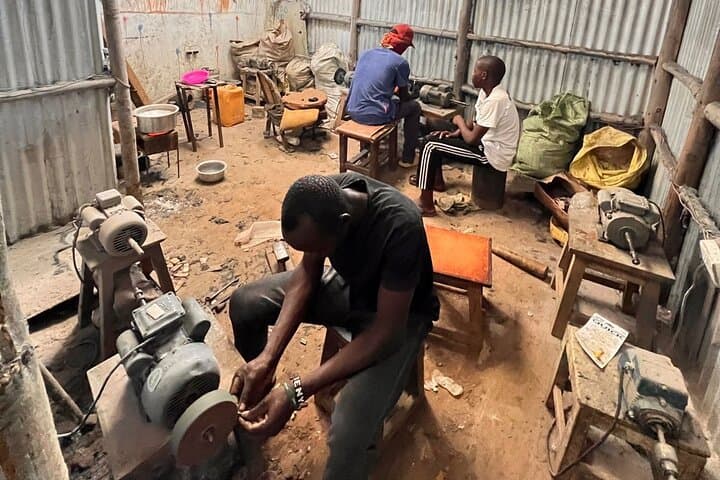


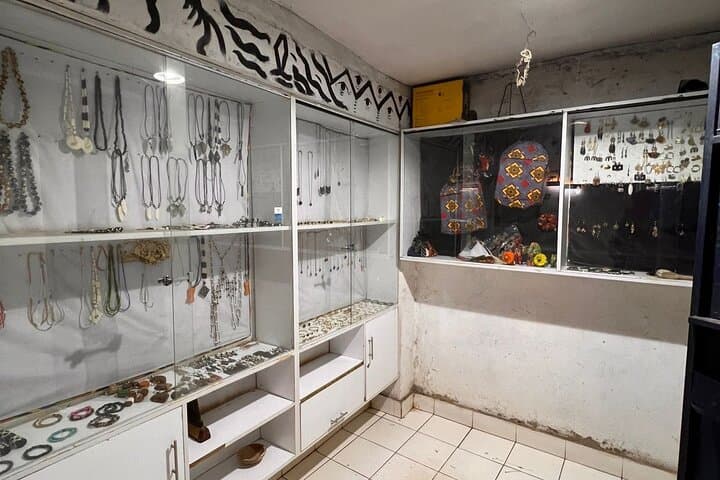
The sun threads through narrow lanes of corrugated tin and painted walls as your guide leads you into Kibera — a densely packed urban neighborhood that hums with commerce and community. Voices negotiate over produce stalls, children run past a sewing cooperative, and the day’s rhythm is both brisk and purposeful. This visit places you inside everyday life: meeting women’s empowerment groups, browsing small workshops, and stepping into neighborhood classrooms.
The sun threads through narrow lanes of corrugated tin and painted walls as your guide leads you into Kibera — a densely packed urban neighborhood that hums with commerce and community. Voices negotiate over produce stalls, children run past a sewing cooperative, and the day’s rhythm is both brisk and purposeful. This visit places you inside everyday life: meeting women’s empowerment groups, browsing small workshops, and stepping into neighborhood classrooms.
Kibera’s modern shape began in the early 20th century, growing around settlements given to Nubian soldiers after Kenya’s colonial era. Over decades it has evolved into a complex social economy where informal markets, NGOs, and local foundations operate alongside households. Geologically the area sits on Nairobi’s urban plain, its soil and drainage shaping the tight lane network and community-built structures.
Expect candid encounters rather than staged performances: school projects, micro-enterprises, and foundation-led initiatives showcase local ingenuity. Guides — often from the community — add context about education, local saving groups, and how small businesses adapt to a dense urban environment.
Practical guidance: tours generally last 1–3 hours; wear closed-toe shoes for uneven paths and bring small-denomination Kenyan shillings for crafts or donations. Photography is welcome but ask before photographing people. If visiting during rainy months, waterproof shoes and a quick-dry jacket help keep the tour comfortable. Above all, travel here with curiosity and respect — these visits aim to support local livelihoods and build meaningful exchange.