THE ADVENTURE COLLECTIVE® · Independent discovery and booking for outdoor travel

Walk Kibera with a local guide to learn everyday life and then transition to an afternoon of tribal dance and drama at Bomas of Kenya. This private day tour combines close-up cultural exchange with a high-energy performance.
Walk Kibera with a local guide to learn everyday life and then transition to an afternoon of tribal dance and drama at Bomas of Kenya. This private day tour combines close-up cultural exchange with a high-energy performance.
You step off Ngong Road into a patchwork of narrow lanes where laundry flaps like flags and small businesses thread life through tight courtyards. The day unfolds as an urban field study: a guided walk through Kibera’s lanes—listening, asking, and learning—then a shift to the open lawn and auditorium of Bomas of Kenya for an energetic cultural performance.
Verified experiences and guided adventures in the surrounding area.
Operated by Gracepatt Ecotours Kenya · Nairobi, Nairobi County
You step off Ngong Road into a patchwork of narrow lanes where laundry flaps like flags and small businesses thread life through tight courtyards. The day unfolds as an urban field study: a guided walk through Kibera’s lanes—listening, asking, and learning—then a shift to the open lawn and auditorium of Bomas of Kenya for an energetic cultural performance.
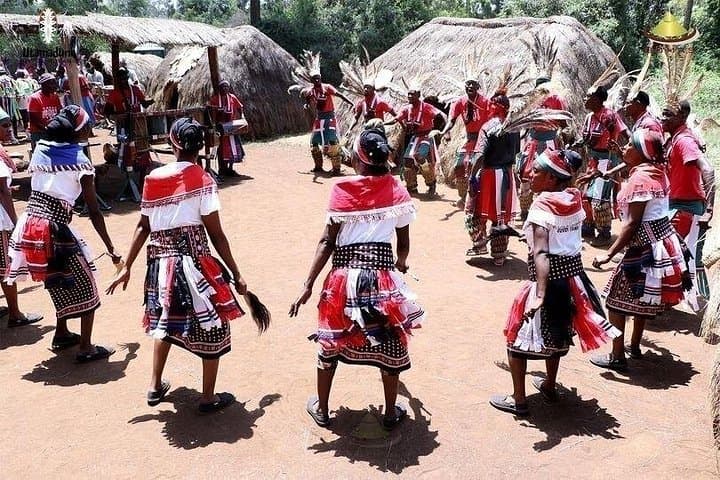
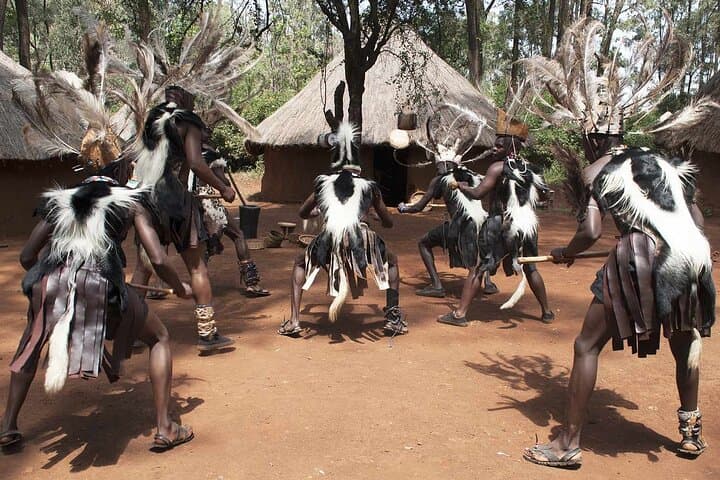
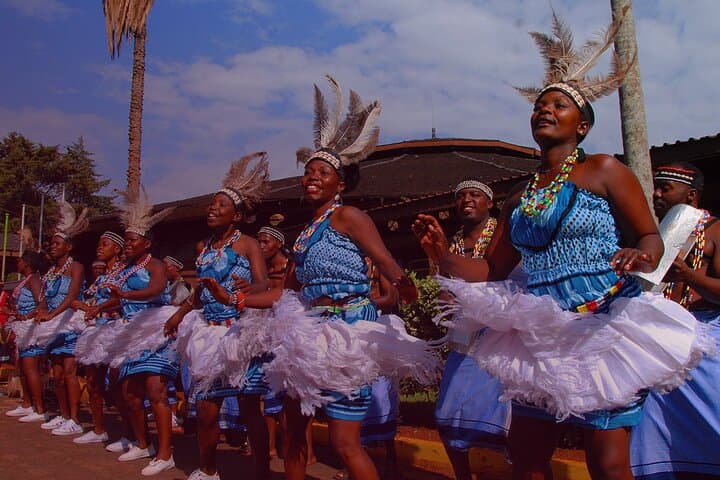
Kibera is one of Africa’s largest informal settlements and has grown atop Nairobi’s red volcanic soils; its houses and workshops tell a story of improvisation and entrepreneurship more than of static poverty. Bomas of Kenya, founded in the 1970s, stages traditional dance, drama and music from dozens of ethnic groups, preserving performance styles shaped by savanna, highland and coastal environments.
Expect uneven footpaths, close-up conversations with residents, and vivid local craft demonstrations—bone carving, beadwork and reused-material ornaments. The cultural show runs in the afternoon (commonly 14:30–16:00), so the tour balances intimate street-level observation with a structured, sit-down performance.
Practical guidance: the tour is low-impact but requires mobility for short walks over dirt and concrete; bring closed-toe shoes, refillable water, and small Kenyan shillings for crafts or market snacks. Lunch is usually at Bomas or a nearby restaurant at your own expense; plan to be away from central Nairobi 6–8 hours including pickup and drop-off. Respect private homes and cameras—ask before photographing—and follow your guide’s lead in sensitive conversations. This is a day that pairs urban anthropology with choreographed cultural expression: thoughtful, immediate, and highly accessible for first-time visitors to Nairobi.
easy.
8 hours.
Suitable for most fitness levels; requires short, steady walking over uneven urban terrain
No—lunch is at your own expense, typically at Bomas or a nearby restaurant; your guide can recommend menu options.
Yes—families are welcome but children should stay close on narrow lanes and caregivers should supervise interactions.
Always ask permission before photographing people or private interiors; many hosts welcome respectful questions and company.
The tour includes pickup and drop-off within Nairobi—you’ll provide a pickup point when booking and confirm exact times with the operator.
Kibera expanded during the mid-20th century as rural migrants settled near Nairobi; Bomas of Kenya was established to preserve and present Kenya’s tribal performances.
Local NGOs work with residents on sanitation, water access and waste recycling; visitors help by minimizing single-use plastics and supporting community-run crafts.
Gracepatt Ecotours Kenya operates guided outdoor trips and adventures with an emphasis on safety, stewardship, and memorable experiences.

You step off Ngong Road into a patchwork of narrow lanes where laundry flaps like flags and small businesses thread life through tight courtyards. The day unfolds as an urban field study: a guided walk through Kibera’s lanes—listening, asking, and learning—then a shift to the open lawn and auditorium of Bomas of Kenya for an energetic cultural performance.
You step off Ngong Road into a patchwork of narrow lanes where laundry flaps like flags and small businesses thread life through tight courtyards. The day unfolds as an urban field study: a guided walk through Kibera’s lanes—listening, asking, and learning—then a shift to the open lawn and auditorium of Bomas of Kenya for an energetic cultural performance.
Kibera is one of Africa’s largest informal settlements and has grown atop Nairobi’s red volcanic soils; its houses and workshops tell a story of improvisation and entrepreneurship more than of static poverty. Bomas of Kenya, founded in the 1970s, stages traditional dance, drama and music from dozens of ethnic groups, preserving performance styles shaped by savanna, highland and coastal environments.
Expect uneven footpaths, close-up conversations with residents, and vivid local craft demonstrations—bone carving, beadwork and reused-material ornaments. The cultural show runs in the afternoon (commonly 14:30–16:00), so the tour balances intimate street-level observation with a structured, sit-down performance.
Practical guidance: the tour is low-impact but requires mobility for short walks over dirt and concrete; bring closed-toe shoes, refillable water, and small Kenyan shillings for crafts or market snacks. Lunch is usually at Bomas or a nearby restaurant at your own expense; plan to be away from central Nairobi 6–8 hours including pickup and drop-off. Respect private homes and cameras—ask before photographing—and follow your guide’s lead in sensitive conversations. This is a day that pairs urban anthropology with choreographed cultural expression: thoughtful, immediate, and highly accessible for first-time visitors to Nairobi.