THE ADVENTURE COLLECTIVE® · Independent discovery and booking for outdoor travel

Spend a day moving from Kibera’s narrow lanes to the traditional homesteads at Bomas of Kenya. This guided tour pairs grassroots cultural encounters with staged performances and practical insights into Nairobi’s social landscape.
Spend a day moving from Kibera’s narrow lanes to the traditional homesteads at Bomas of Kenya. This guided tour pairs grassroots cultural encounters with staged performances and practical insights into Nairobi’s social landscape.
A low morning sun filters through Nairobi’s traffic as your guide steers off Ngong Road toward Kibera — the city’s busiest, most densely populated neighborhood. The minibus slows; dust and voices rise together. You move through narrow paths edged with corrugated iron and small courtyards where women sort beads and children make their way to nursery school.
Verified experiences and guided adventures in the surrounding area.
Operated by Shagami Kenya Tours and Safaris · Nairobi, Nairobi County
A low morning sun filters through Nairobi’s traffic as your guide steers off Ngong Road toward Kibera — the city’s busiest, most densely populated neighborhood. The minibus slows; dust and voices rise together. You move through narrow paths edged with corrugated iron and small courtyards where women sort beads and children make their way to nursery school.
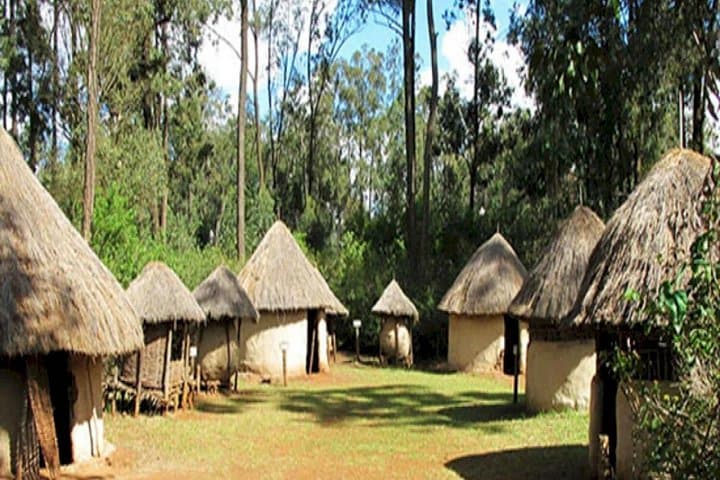
Kibera began as a settlement for Nubian soldiers under British rule and has evolved into a complex urban community with improvised economies and inventive craft traditions. The soil here is red and worked hard; conversations often pivot between daily survival and communal pride. Later, the tour shifts to Bomas of Kenya on Langata Road, a deliberately constructed cultural village opened in the 1970s to showcase Kenyan homesteads, music and dance. Wooden homesteads, regional carvings, and choreographed performances outline centuries of migration, craft, and oral history.
Expect hands-on cultural interactions: a curio workshop where ornaments are fashioned from bone, a visit inside a typical Kibera house, and a two-hour performance and village walk at Bomas. Bottled water and entrance fees are included; lunch is on you. The full loop runs about eight hours with short walks on uneven, sometimes muddy ground.
Practical tips: bring small-denomination Kenyan shillings for crafts and food, wear closed shoes and sun protection, and ask before photographing people. The visit rewards curiosity and respect — you’ll leave with clearer context about Nairobi’s urban contrasts and a direct way to support local artisans.
easy.
6–8 hours.
Suitable for people with basic mobility; involves short walks, some standing and modest stairs at Bomas.
The full experience runs about 6–8 hours: roughly two hours in Kibera, a lunch break, and two hours at Bomas, plus travel time and hotel pickup/drop-off.
Guided visits are generally safe; stay with the group, follow your guide’s directions, and avoid displaying valuables in crowded areas.
Yes—entrance fees for Kibera and Bomas and bottled water are included; lunch and souvenirs are at your own expense.
You should always ask for permission before photographing residents; guides can help facilitate respectful interactions.
Kibera expanded in the 20th century from settlements tied to colonial-era labor and military placements; Bomas of Kenya was established in the 1970s to preserve and exhibit Kenya’s ethnic homesteads and performing arts.
Support local economies by buying directly from artisans and avoiding single-use plastics; stay on established paths to reduce wear on community spaces.
Shagami Kenya Tours and Safaris operates guided outdoor trips and adventures with an emphasis on safety, stewardship, and memorable experiences.



A low morning sun filters through Nairobi’s traffic as your guide steers off Ngong Road toward Kibera — the city’s busiest, most densely populated neighborhood. The minibus slows; dust and voices rise together. You move through narrow paths edged with corrugated iron and small courtyards where women sort beads and children make their way to nursery school.
A low morning sun filters through Nairobi’s traffic as your guide steers off Ngong Road toward Kibera — the city’s busiest, most densely populated neighborhood. The minibus slows; dust and voices rise together. You move through narrow paths edged with corrugated iron and small courtyards where women sort beads and children make their way to nursery school.
Kibera began as a settlement for Nubian soldiers under British rule and has evolved into a complex urban community with improvised economies and inventive craft traditions. The soil here is red and worked hard; conversations often pivot between daily survival and communal pride. Later, the tour shifts to Bomas of Kenya on Langata Road, a deliberately constructed cultural village opened in the 1970s to showcase Kenyan homesteads, music and dance. Wooden homesteads, regional carvings, and choreographed performances outline centuries of migration, craft, and oral history.
Expect hands-on cultural interactions: a curio workshop where ornaments are fashioned from bone, a visit inside a typical Kibera house, and a two-hour performance and village walk at Bomas. Bottled water and entrance fees are included; lunch is on you. The full loop runs about eight hours with short walks on uneven, sometimes muddy ground.
Practical tips: bring small-denomination Kenyan shillings for crafts and food, wear closed shoes and sun protection, and ask before photographing people. The visit rewards curiosity and respect — you’ll leave with clearer context about Nairobi’s urban contrasts and a direct way to support local artisans.