THE ADVENTURE COLLECTIVE® · Independent discovery and booking for outdoor travel

Spend a full day in Kibale Forest searching for chimpanzees and other primates in Uganda’s rich tropical highland forest. This practical guide explains what to expect on a typical 1-day tracking trip from Fort Portal, with tips on timing, gear, and local logistics.
Spend a full day in Kibale Forest searching for chimpanzees and other primates in Uganda’s rich tropical highland forest. This practical guide explains what to expect on a typical 1-day tracking trip from Fort Portal, with tips on timing, gear, and local logistics.
Dawn in Kibale arrives with the forest breathing mist: green trunks stand like old watchmen, and the trail threads between buttressed roots while birdcalls call the day to attention.
Verified experiences and guided adventures in the surrounding area.
Operated by Trek Rwenzori Tours · Fort Portal, Western Region
Dawn in Kibale arrives with the forest breathing mist: green trunks stand like old watchmen, and the trail threads between buttressed roots while birdcalls call the day to attention.
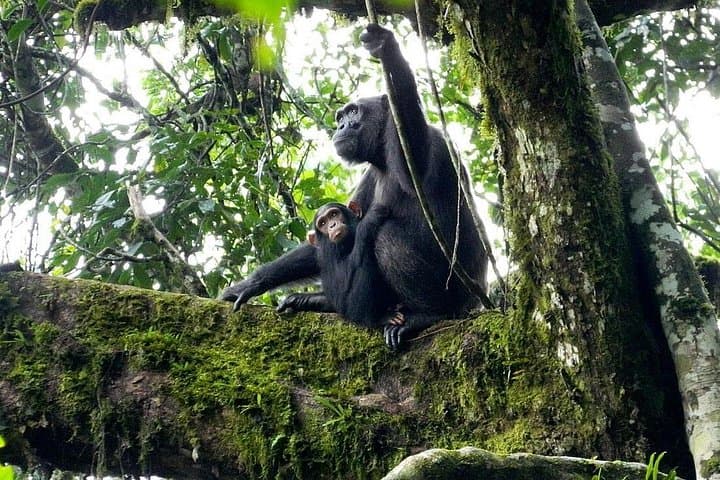
On this one-day chimpanzee tracking trip you move through a wet tropical forest long known as the Primate Capital of the World. The canopy here is tall and layered—some trees top 50 meters and carry rings of bark older than nearby settlements. Geologically, Kibale sits in the western Uganda highlands of the Albertine Rift; rolling hills, volcanic soils and braided streams shape paths that can change from packed dirt to slippery mud in a single rain.
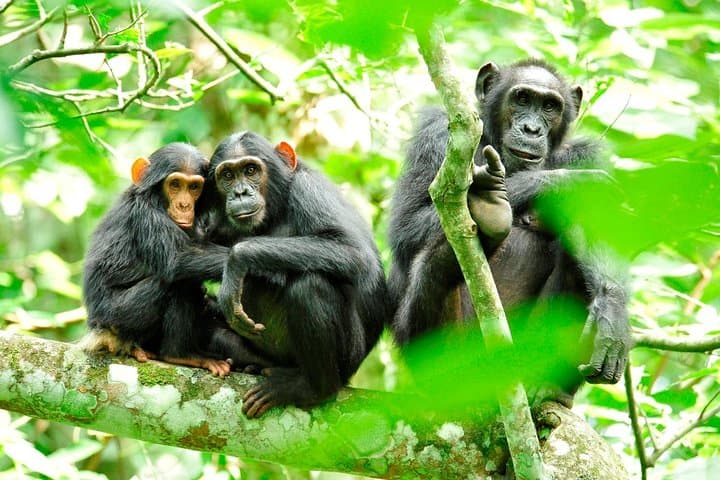
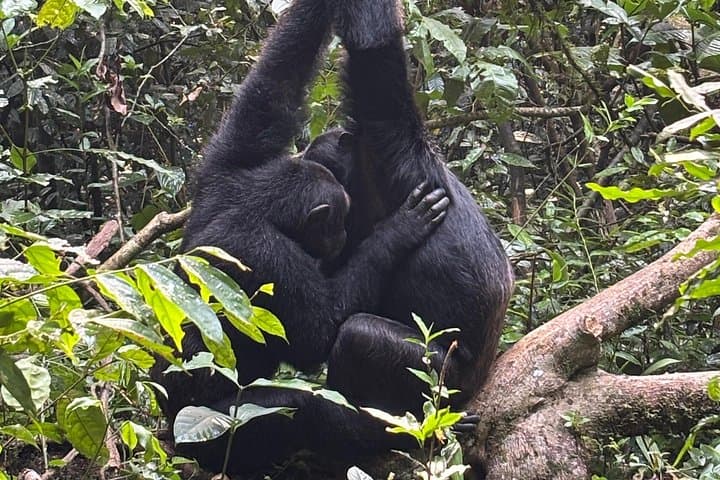
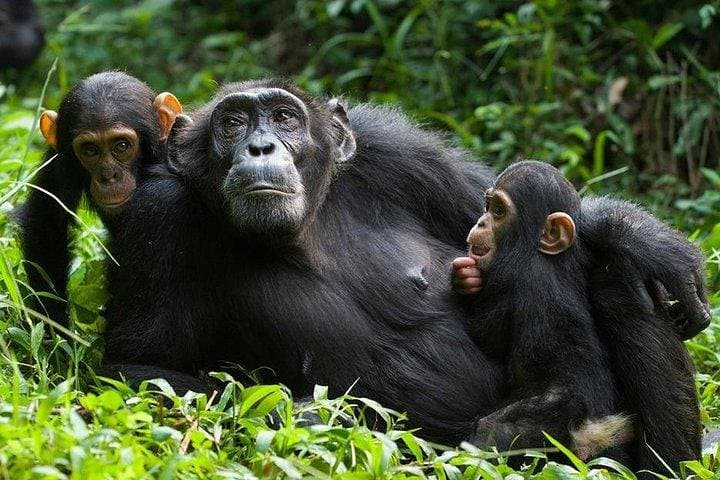
Culturally, the park sits near Fort Portal and the Toro kingdom; local communities share a history of tea estates and subsistence farming that frames the visitor experience. Expect to encounter up to 13 primate species (including habituated chimpanzees), as well as forest elephants, buffalo and a dense bird list of over 375 species.
Practical guidance: trackers use scent and sound to locate chimp groups—your walk may be short and intense or long and wet depending on where the group is that day. Bring waterproof boots, long sleeves, and a lightweight rain layer; a guide and permit are required and are included with many organized trips. Start early to catch peak primate activity, carry water and snacks, and leave cameras on silent. Respect distance rules: chimpanzees are wild and can transmit disease.
This day trip balances wildlife spectacle with basic field logistics—be ready for standing puddles, sudden climbs, and the electric thrill of watching chimps move through their forest home.
moderate.
Full day (6–10 hours).
Moderate fitness: able to manage several hours on uneven, sometimes steep or muddy trails
Sightings are common when groups are habituated, but visibility depends on group location that day; trackers can take anywhere from 30 minutes to several hours to locate a group.
Yes—permits are limited and should be booked before arrival; many tour operators include them with the trip price.
The park lists easy suitability, but terrain can be uneven and slippery; adjust expectations and discuss mobility limits with your operator before booking.
Facilities are minimal—basic park ranger posts and simple trails; bring water and snacks, and plan meals in Fort Portal before or after the trip.
Kibale lies within the Albertine Rift and has long been a biological hotspot; local Toro communities have lived alongside the forest for generations.
Tracking fees and permits fund park management and research; stick to paths, avoid feeding wildlife, and follow guide instructions to minimize disturbance.
Trek Rwenzori Tours operates guided outdoor trips and adventures with an emphasis on safety, stewardship, and memorable experiences.
Dawn in Kibale arrives with the forest breathing mist: green trunks stand like old watchmen, and the trail threads between buttressed roots while birdcalls call the day to attention.
Dawn in Kibale arrives with the forest breathing mist: green trunks stand like old watchmen, and the trail threads between buttressed roots while birdcalls call the day to attention.
On this one-day chimpanzee tracking trip you move through a wet tropical forest long known as the Primate Capital of the World. The canopy here is tall and layered—some trees top 50 meters and carry rings of bark older than nearby settlements. Geologically, Kibale sits in the western Uganda highlands of the Albertine Rift; rolling hills, volcanic soils and braided streams shape paths that can change from packed dirt to slippery mud in a single rain.
Culturally, the park sits near Fort Portal and the Toro kingdom; local communities share a history of tea estates and subsistence farming that frames the visitor experience. Expect to encounter up to 13 primate species (including habituated chimpanzees), as well as forest elephants, buffalo and a dense bird list of over 375 species.
Practical guidance: trackers use scent and sound to locate chimp groups—your walk may be short and intense or long and wet depending on where the group is that day. Bring waterproof boots, long sleeves, and a lightweight rain layer; a guide and permit are required and are included with many organized trips. Start early to catch peak primate activity, carry water and snacks, and leave cameras on silent. Respect distance rules: chimpanzees are wild and can transmit disease.
This day trip balances wildlife spectacle with basic field logistics—be ready for standing puddles, sudden climbs, and the electric thrill of watching chimps move through their forest home.