THE ADVENTURE COLLECTIVE® · Independent discovery and booking for outdoor travel

Walk between three volcanic crater lakes near Kibale, meet local fishing communities, and optionally canoe around a glassy basin while watching hippos, birds and monkeys. This 4‑hour moderate walk blends geology, culture and accessible wildlife viewing.
Walk between three volcanic crater lakes near Kibale, meet local fishing communities, and optionally canoe around a glassy basin while watching hippos, birds and monkeys. This 4‑hour moderate walk blends geology, culture and accessible wildlife viewing.
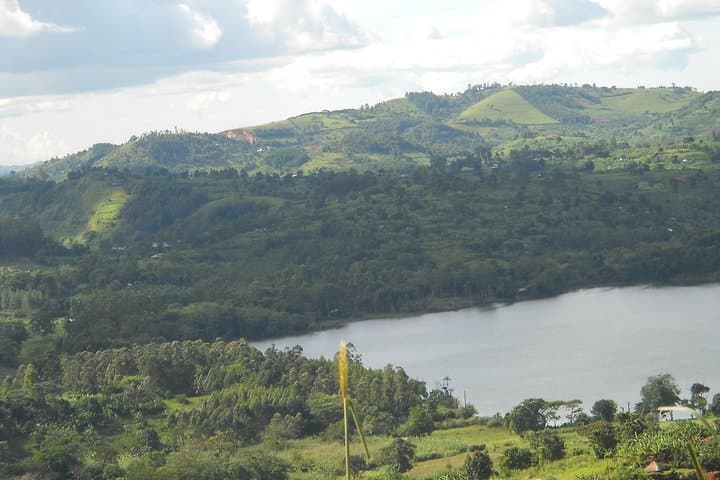
Dawn breaks over a ring of glassy water and you step off a village track into cool, shaded forest. The path weaves between three volcanic crater lakes—each a different stillness—while smoke from cooking fires drifts from nearby homesteads. Monkeys chatter in the canopy, and a distant hippo blow punctuates the quiet as you approach the water’s edge.
Verified experiences and guided adventures in the surrounding area.
Operated by Isunga Cultural Community Tours · Fort Portal, Western Region
Dawn breaks over a ring of glassy water and you step off a village track into cool, shaded forest. The path weaves between three volcanic crater lakes—each a different stillness—while smoke from cooking fires drifts from nearby homesteads. Monkeys chatter in the canopy, and a distant hippo blow punctuates the quiet as you approach the water’s edge.
The crater lakes here are remnants of volcanic activity in the Albertine Rift; their steep rims and deep basins collect forest and farming mosaics. The walk threads local communities where fishing and small-scale agriculture shape daily life—meet fishermen who will invite questions, and see how trails double as market routes. Geology shows in the sharp drop-offs to lake basins; ecology is rich, with riparian forest corridors connecting to Kibale’s larger blocks.
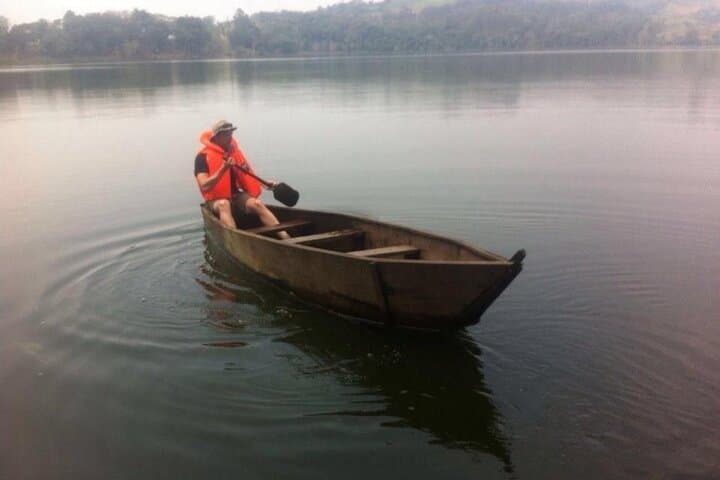
Expect a 4‑hour outing covering roughly 6–8 km on uneven forest and village tracks with modest elevation changes (hundreds of metres cumulatively rather than long climbs). An optional canoe trip around one lake gives a low-angle wildlife view—hippos and waterbirds are common, and primates patrol the trees. Guides can point out bird species and local plant uses and advise on safe distances from hippos.
Practical: start early to avoid midday sun and insects, bring 1–2 litres of water, sturdy hiking shoes, sun and rain protection, and a small amount of local currency for village purchases or tips. Respect local customs, ask before photographing people, and follow your guide’s wildlife-safety instructions—hippos are territorial and best observed from a safe distance.
moderate.
4 hours.
Moderate fitness with ability to walk 6–8 km over uneven terrain and short, steep sections; not suitable for those with serious back problems
The organized experience runs about 4 hours and covers roughly 6–8 km on uneven village and forest trails; it’s rated moderate—suitable for those with a reasonable level of fitness.
Canoeing is optional and arranged locally; guides assess water and hippo activity before any trip—follow their instructions and lifejackets are recommended.
Yes—hippos, various waterbirds, and primates are commonly seen, but wildlife sightings can’t be guaranteed and depend on season and time of day.
Not recommended for pregnant travelers or those with serious back problems; infants must sit on laps and participants should have moderate physical fitness.
The region sits on volcanic terrain of the Albertine Rift and lies within the cultural area of the Tooro kingdom; lakeside communities have fished these basins for generations.
Small crater basins are ecologically sensitive—stay on trails, avoid feeding wildlife, and support local guides who practice sustainable tourism.
Isunga Cultural Community Tours operates guided outdoor trips and adventures with an emphasis on safety, stewardship, and memorable experiences.

Dawn breaks over a ring of glassy water and you step off a village track into cool, shaded forest. The path weaves between three volcanic crater lakes—each a different stillness—while smoke from cooking fires drifts from nearby homesteads. Monkeys chatter in the canopy, and a distant hippo blow punctuates the quiet as you approach the water’s edge.
Dawn breaks over a ring of glassy water and you step off a village track into cool, shaded forest. The path weaves between three volcanic crater lakes—each a different stillness—while smoke from cooking fires drifts from nearby homesteads. Monkeys chatter in the canopy, and a distant hippo blow punctuates the quiet as you approach the water’s edge.
The crater lakes here are remnants of volcanic activity in the Albertine Rift; their steep rims and deep basins collect forest and farming mosaics. The walk threads local communities where fishing and small-scale agriculture shape daily life—meet fishermen who will invite questions, and see how trails double as market routes. Geology shows in the sharp drop-offs to lake basins; ecology is rich, with riparian forest corridors connecting to Kibale’s larger blocks.
Expect a 4‑hour outing covering roughly 6–8 km on uneven forest and village tracks with modest elevation changes (hundreds of metres cumulatively rather than long climbs). An optional canoe trip around one lake gives a low-angle wildlife view—hippos and waterbirds are common, and primates patrol the trees. Guides can point out bird species and local plant uses and advise on safe distances from hippos.
Practical: start early to avoid midday sun and insects, bring 1–2 litres of water, sturdy hiking shoes, sun and rain protection, and a small amount of local currency for village purchases or tips. Respect local customs, ask before photographing people, and follow your guide’s wildlife-safety instructions—hippos are territorial and best observed from a safe distance.