THE ADVENTURE COLLECTIVE® · Independent discovery and booking for outdoor travel

Three days in Kibale Forest mean close-up chimpanzee encounters, a boardwalk through Bigodi Wetlands, and a “Top of the World” hike above crater lakes. This guide outlines what to expect, what to pack, and how to plan for muddy trails and unforgettable primate viewing.
Three days in Kibale Forest mean close-up chimpanzee encounters, a boardwalk through Bigodi Wetlands, and a “Top of the World” hike above crater lakes. This guide outlines what to expect, what to pack, and how to plan for muddy trails and unforgettable primate viewing.
You step from the 4x4 into a green that feels alive—humid air, falling leaves whispering, and the distant rattle of primate calls. Kibale Forest’s understory presses close; sunlight slices through high canopy, and within an hour you can go from track to troop, watching chimpanzees move with an easy, practiced curiosity.
Verified experiences and guided adventures in the surrounding area.
Operated by Lifetime Experience Safaris - Private Day Tours · Fort Portal, Western Region
You step from the 4x4 into a green that feels alive—humid air, falling leaves whispering, and the distant rattle of primate calls. Kibale Forest’s understory presses close; sunlight slices through high canopy, and within an hour you can go from track to troop, watching chimpanzees move with an easy, practiced curiosity.
Kibale is where West African lowland rainforest edges into East Africa’s landscape, part of the biodiverse Albertine Rift. The park’s geology is a quilt of volcanic crater lakes and rolling tea estates; local Toro communities farm the rimlands and host lodges. Bigodi Wetlands, a peat-mangrove mosaic adjoining the park, contrasts the closed-canopy jungle with boardwalks through marsh that reveal sitatunga and a chorus of papyrus birds.
Practical balance: chimp tracking is physically active, often 1–4 hours on uneven, muddy trails; guides and a strict permit system limit contact—permits commonly cost around USD 200 and fund conservation.
Plan for wet conditions, long trousers and gaiters to protect from leeches and brambles, and quiet observation—the chimps set the pace. Day two pairs a focused tracking session with a “Top of the World” hike above crater lakes; expect dusty climbs, panoramic views of the Rwenzori on clear days, and a mix of village and plantation landscapes on the return.
Timing your trek for the drier months makes trails easier, but even in rains the forest is striking and wildlife active. Bring layered, quick-dry clothing, water, and a small daypack. Respect viewing rules, pack out waste, and let the forest’s rhythms shape your pace—this is a trip traded in close looks and quiet, sticky-sweet moments with our closest wild kin.
moderate.
3 days.
Suitable for travelers with moderate fitness—able to hike 1–4 hours over uneven, sometimes steep and muddy terrain each day.
Tracking varies but typically involves 1–3 hours with the chimps once found; overall search time can be shorter or longer depending on location.
Yes—Kibale requires a chimpanzee tracking permit (often around USD 200) which operators usually arrange as part of the tour price.
Children can join but guides and park rules may set minimum ages—confirm with the operator and prepare for uneven trails and limited facilities.
Drier months (June–August and December–February) offer firmer trails and clearer views, but wildlife viewing remains strong year-round; expect more mud in rainy seasons.
Kibale sits in the Albertine Rift and preserves lowland rainforest remnants that historically connected West African and East African forest systems, shaping high primate diversity.
Tracking fees and permits fund park management and local conservation; stick to paths, avoid single-use plastics, and follow guide instructions to minimize impact.
Lifetime Experience Safaris - Private Day Tours operates guided outdoor trips and adventures with an emphasis on safety, stewardship, and memorable experiences.

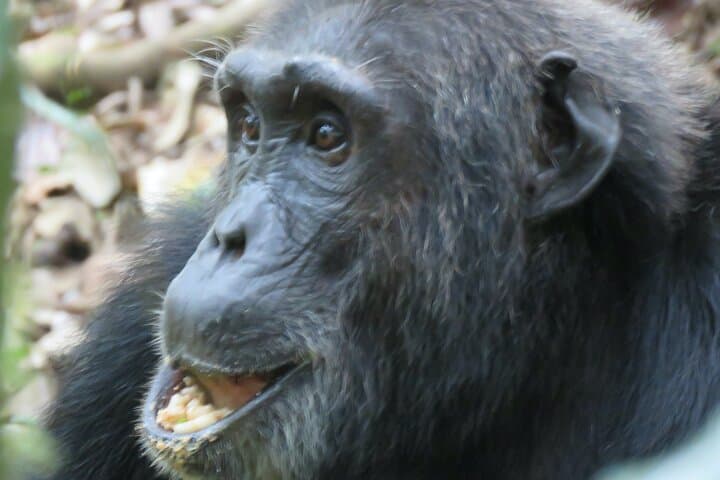
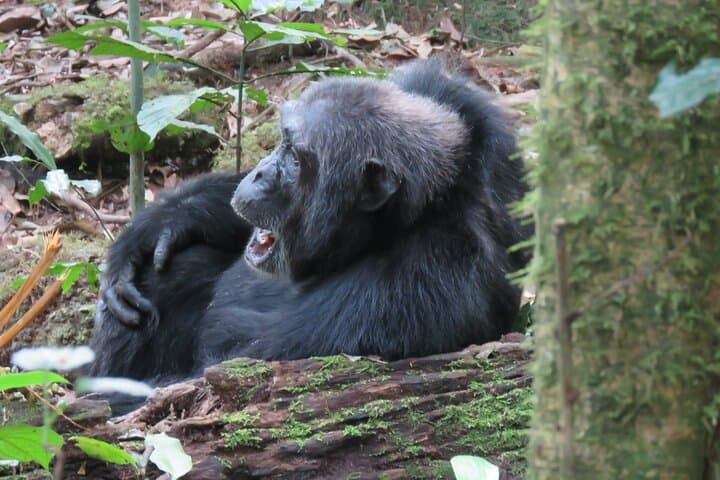

You step from the 4x4 into a green that feels alive—humid air, falling leaves whispering, and the distant rattle of primate calls. Kibale Forest’s understory presses close; sunlight slices through high canopy, and within an hour you can go from track to troop, watching chimpanzees move with an easy, practiced curiosity.
You step from the 4x4 into a green that feels alive—humid air, falling leaves whispering, and the distant rattle of primate calls. Kibale Forest’s understory presses close; sunlight slices through high canopy, and within an hour you can go from track to troop, watching chimpanzees move with an easy, practiced curiosity.
Kibale is where West African lowland rainforest edges into East Africa’s landscape, part of the biodiverse Albertine Rift. The park’s geology is a quilt of volcanic crater lakes and rolling tea estates; local Toro communities farm the rimlands and host lodges. Bigodi Wetlands, a peat-mangrove mosaic adjoining the park, contrasts the closed-canopy jungle with boardwalks through marsh that reveal sitatunga and a chorus of papyrus birds.
Practical balance: chimp tracking is physically active, often 1–4 hours on uneven, muddy trails; guides and a strict permit system limit contact—permits commonly cost around USD 200 and fund conservation.
Plan for wet conditions, long trousers and gaiters to protect from leeches and brambles, and quiet observation—the chimps set the pace. Day two pairs a focused tracking session with a “Top of the World” hike above crater lakes; expect dusty climbs, panoramic views of the Rwenzori on clear days, and a mix of village and plantation landscapes on the return.
Timing your trek for the drier months makes trails easier, but even in rains the forest is striking and wildlife active. Bring layered, quick-dry clothing, water, and a small daypack. Respect viewing rules, pack out waste, and let the forest’s rhythms shape your pace—this is a trip traded in close looks and quiet, sticky-sweet moments with our closest wild kin.