THE ADVENTURE COLLECTIVE® · Independent discovery and booking for outdoor travel

Walk through century-old tea gardens, an indigenous forest with colobus monkeys, and enjoy a three-course lunch at a family-run estate near Nairobi. This guided half-day tour pairs cultural history with hands-on tea tasting and accessible trails.
Walk through century-old tea gardens, an indigenous forest with colobus monkeys, and enjoy a three-course lunch at a family-run estate near Nairobi. This guided half-day tour pairs cultural history with hands-on tea tasting and accessible trails.
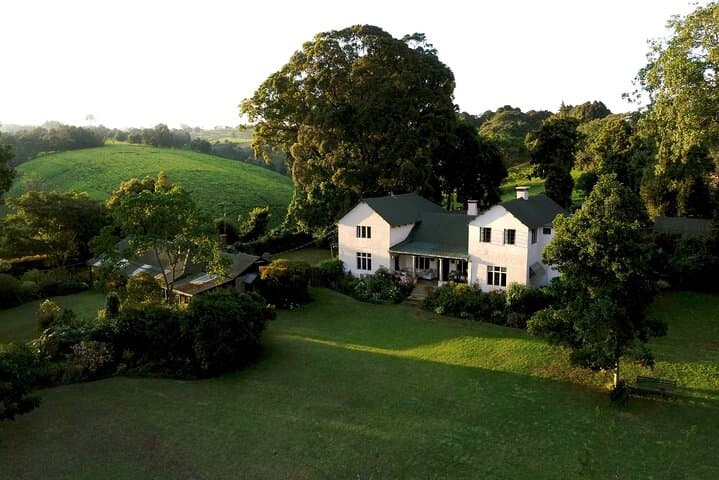
You step out of the minivan onto a shaded track and the air carries a sharp, green scent — the smell of fresh tea leaves and damp earth. The main house at Kiambethu comes into view: a low, wooden structure ringed by manicured gardens and the steady chatter of colobus monkeys in the canopy.
Verified experiences and guided adventures in the surrounding area.
Operated by Shagami Kenya Tours and Safaris · Limuru, Kiambu
You step out of the minivan onto a shaded track and the air carries a sharp, green scent — the smell of fresh tea leaves and damp earth. The main house at Kiambethu comes into view: a low, wooden structure ringed by manicured gardens and the steady chatter of colobus monkeys in the canopy.
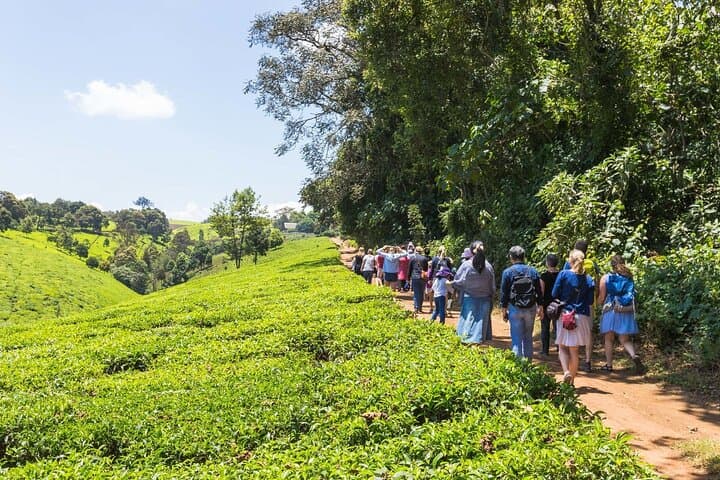
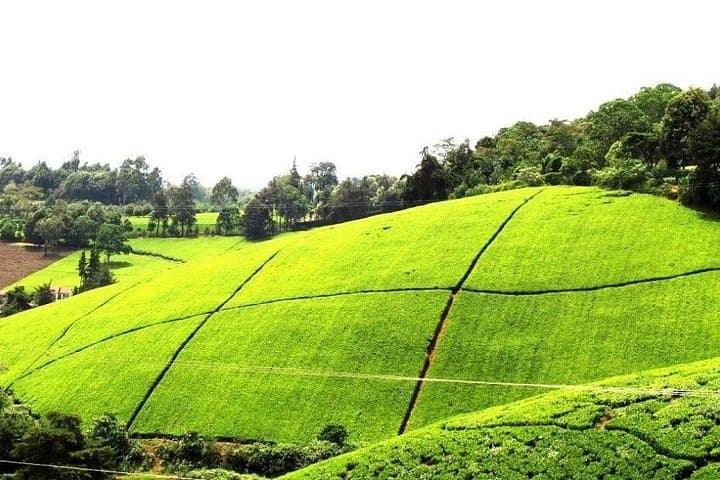
The estate dates to the early 20th century, operated by the same family since 1910, and the guided walk threads plantation rows, a pocket of indigenous forest, and the old settler homestead where tea processing stories are told. Geologically the Limuru uplands are ancient volcanic soils, rich and well-drained — the reason tea thrives here — and the estate conserves fragments of native forest that support birds and primates.
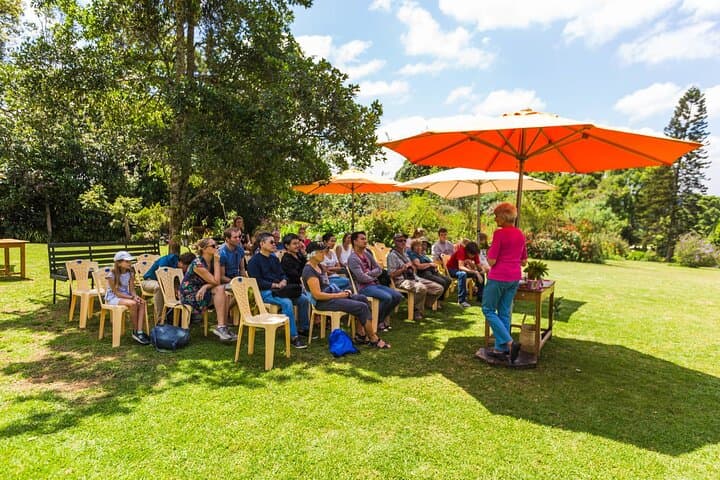
Expect a paced, informative tour: an introduction to tea cultivation, a forest walk with wildlife sightings, and a 3-course lunch of locally sourced ingredients paired with estate-brewed tea. Guides blend cultural history and practical details about leaf grades, harvest cycles, and how elevation shapes flavor.
Practicalities: the tour is a roughly six-hour excursion with hotel pickup from Nairobi; paths are mostly packed-earth between terraces with gentle grades. Bring sturdy walking shoes, sun protection, and insect repellent. If rain is forecast, a light rain jacket keeps the walk comfortable.
Timing a visit for the drier months improves views and wildlife activity; notify dietary needs when booking since lunch is included. The experience is low-impact, educational, and accessible to most travelers — ideal for anyone wanting a hands-on look at Kenya’s tea country without venturing far from Nairobi.
easy.
6 hours.
Suitable for most fitness levels; mostly gentle walking with short uneven sections
Yes — the tour includes hotel pickup and drop-off in Nairobi; confirm your pickup point when booking.
Yes — the activity is family-friendly but infants must sit on an adult’s lap during transport; forest paths may be uneven for strollers.
Yes — a 3-course lunch and afternoon tea are included; complementary soft drinks and estate teas are served.
You commonly see black-and-white colobus monkeys and various bird species in the preserved indigenous forest, though sightings aren’t guaranteed.
Kiambethu has been family-owned since 1910; the estate illustrates settler-era tea development and how small estates adapted tea production through the 20th century.
The estate preserves a remnant of indigenous forest amid tea plantations and practices low-impact tourism; visitors should stay on trails to limit disturbance.
Shagami Kenya Tours and Safaris operates guided outdoor trips and adventures with an emphasis on safety, stewardship, and memorable experiences.
You step out of the minivan onto a shaded track and the air carries a sharp, green scent — the smell of fresh tea leaves and damp earth. The main house at Kiambethu comes into view: a low, wooden structure ringed by manicured gardens and the steady chatter of colobus monkeys in the canopy.
You step out of the minivan onto a shaded track and the air carries a sharp, green scent — the smell of fresh tea leaves and damp earth. The main house at Kiambethu comes into view: a low, wooden structure ringed by manicured gardens and the steady chatter of colobus monkeys in the canopy.
The estate dates to the early 20th century, operated by the same family since 1910, and the guided walk threads plantation rows, a pocket of indigenous forest, and the old settler homestead where tea processing stories are told. Geologically the Limuru uplands are ancient volcanic soils, rich and well-drained — the reason tea thrives here — and the estate conserves fragments of native forest that support birds and primates.
Expect a paced, informative tour: an introduction to tea cultivation, a forest walk with wildlife sightings, and a 3-course lunch of locally sourced ingredients paired with estate-brewed tea. Guides blend cultural history and practical details about leaf grades, harvest cycles, and how elevation shapes flavor.
Practicalities: the tour is a roughly six-hour excursion with hotel pickup from Nairobi; paths are mostly packed-earth between terraces with gentle grades. Bring sturdy walking shoes, sun protection, and insect repellent. If rain is forecast, a light rain jacket keeps the walk comfortable.
Timing a visit for the drier months improves views and wildlife activity; notify dietary needs when booking since lunch is included. The experience is low-impact, educational, and accessible to most travelers — ideal for anyone wanting a hands-on look at Kenya’s tea country without venturing far from Nairobi.