THE ADVENTURE COLLECTIVE® · Independent discovery and booking for outdoor travel

Escape Nairobi for a half-day at Kiambethu Tea Farm: walk tea fields and forest, spot colobus monkeys, and enjoy a farm-fresh three-course lunch. This easy, small-group tour combines agricultural history, light wildlife viewing, and scenic views of the Ngong Hills.
Escape Nairobi for a half-day at Kiambethu Tea Farm: walk tea fields and forest, spot colobus monkeys, and enjoy a farm-fresh three-course lunch. This easy, small-group tour combines agricultural history, light wildlife viewing, and scenic views of the Ngong Hills.
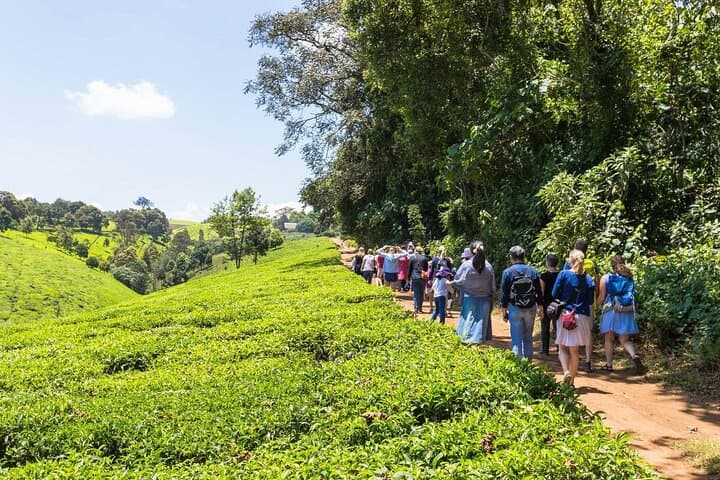
You arrive on a dirt lane as the city falls away and a patchwork of clipped tea bushes unfurls toward the Ngong Hills.
Verified experiences and guided adventures in the surrounding area.
Operated by Gracepatt Ecotours Kenya · Limuru, Kiambu County
You arrive on a dirt lane as the city falls away and a patchwork of clipped tea bushes unfurls toward the Ngong Hills.
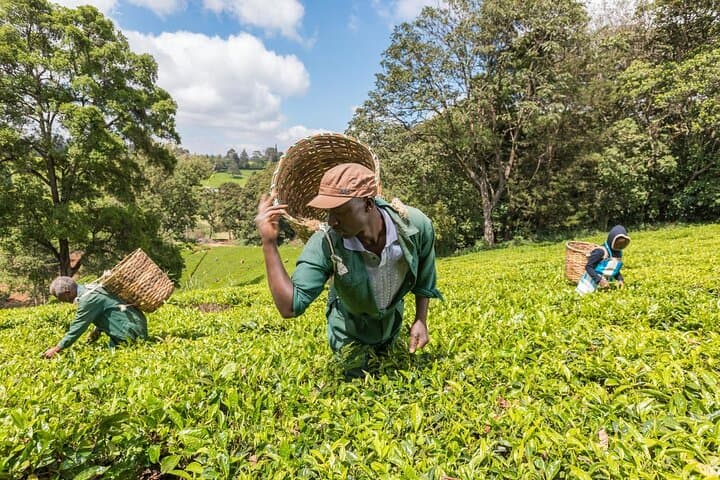
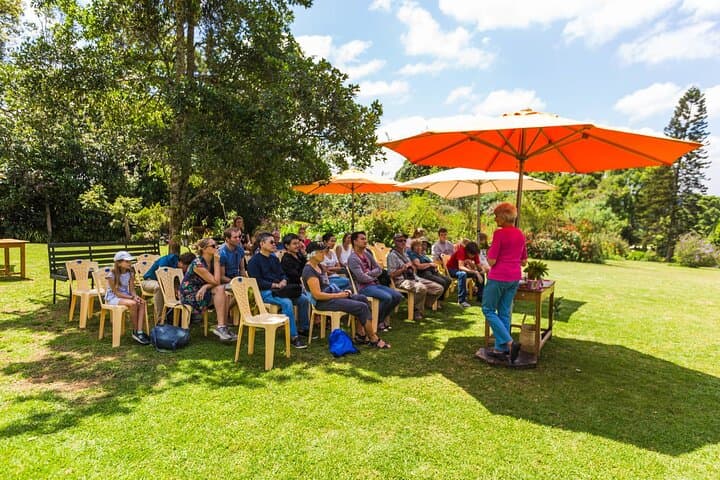
Morning mist lifts from the rows, leaving the smell of damp earth and fresh leaves; the farmhouse verandah faces west so the light slants across the fields while staff pick by hand. The tour moves at a slow, deliberate pace—an informal history over a cup, a guided walk through a pocket of indigenous forest, and time to watch black-and-white colobus monkeys threading the canopy.
The Limuru area sits on volcanic highlands with deep red soils that favor Camellia sinensis; estates here grew during Kenya’s 20th-century expansion of tea cultivation and many still operate as working family farms. Cultural touches show in the gardens, the farm’s Channel Island cows that supply cream, and the simple three-course lunch prepared from garden vegetables.
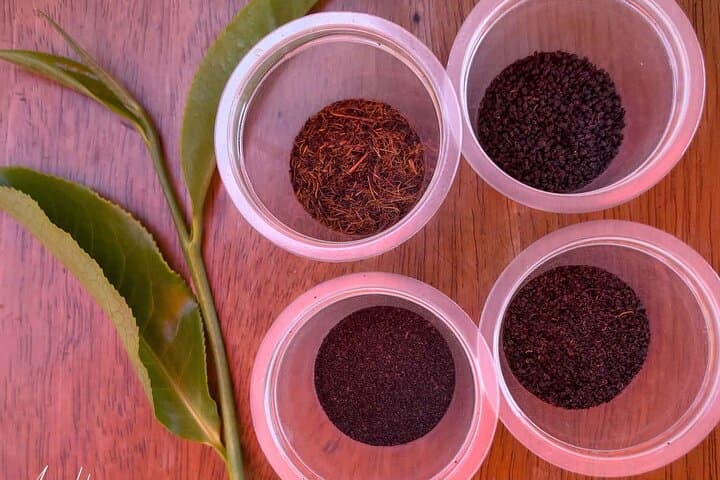
Practicalities are straightforward: pickup in Nairobi around 9:30 a.m., roughly a 1–1.5 hour drive, four hours on site, and return by mid-to-late afternoon. Expect uneven farm tracks and a short forest loop—good walking shoes and insect repellent make the visit easier. Bring a camera or binoculars for birdlife and monkeys; modest cash may be useful for buying loose-leaf tea.
The experience suits travelers who want low-effort immersion in Kenyan highland agriculture: it’s equal parts natural history, light wildlife viewing, and farm-to-table hospitality, with clear seasonal shifts in scent, bloom and bird activity across the year.
easy.
6 hours.
Suitable for most fitness levels; involves short, gentle walks over farm tracks and a single forest loop
Yes—pickup and drop-off within Nairobi City are included; you’ll be given a pickup time (typically around 9:30 a.m.).
The on-site portion is about four hours, part of a roughly six-hour door-to-door excursion from Nairobi.
A three-course lunch made with garden produce is included; the operator asks about dietary requirements at booking—flag allergies in advance.
You can often see black-and-white colobus monkeys and a variety of forest birds; wildlife sightings aren’t guaranteed but the guided forest walk improves chances.
Tea cultivation expanded across Kenya’s highland plateaus during the 20th century; small estates around Limuru preserve working farmhouses and garden traditions from that era.
The farm maintains pockets of indigenous forest and practices small-scale agriculture; visitors support local conservation and livelihoods by respecting trails, not feeding wildlife, and buying local tea.
Gracepatt Ecotours Kenya operates guided outdoor trips and adventures with an emphasis on safety, stewardship, and memorable experiences.
You arrive on a dirt lane as the city falls away and a patchwork of clipped tea bushes unfurls toward the Ngong Hills.
You arrive on a dirt lane as the city falls away and a patchwork of clipped tea bushes unfurls toward the Ngong Hills.
Morning mist lifts from the rows, leaving the smell of damp earth and fresh leaves; the farmhouse verandah faces west so the light slants across the fields while staff pick by hand. The tour moves at a slow, deliberate pace—an informal history over a cup, a guided walk through a pocket of indigenous forest, and time to watch black-and-white colobus monkeys threading the canopy.
The Limuru area sits on volcanic highlands with deep red soils that favor Camellia sinensis; estates here grew during Kenya’s 20th-century expansion of tea cultivation and many still operate as working family farms. Cultural touches show in the gardens, the farm’s Channel Island cows that supply cream, and the simple three-course lunch prepared from garden vegetables.
Practicalities are straightforward: pickup in Nairobi around 9:30 a.m., roughly a 1–1.5 hour drive, four hours on site, and return by mid-to-late afternoon. Expect uneven farm tracks and a short forest loop—good walking shoes and insect repellent make the visit easier. Bring a camera or binoculars for birdlife and monkeys; modest cash may be useful for buying loose-leaf tea.
The experience suits travelers who want low-effort immersion in Kenyan highland agriculture: it’s equal parts natural history, light wildlife viewing, and farm-to-table hospitality, with clear seasonal shifts in scent, bloom and bird activity across the year.