THE ADVENTURE COLLECTIVE® · Independent discovery and booking for outdoor travel

Spend a day outside Nairobi at Kiambethu Tea Farm: a guided walk through tea fields and a preserved indigenous forest, an expert tea tasting, and a three-course lunch using local produce. This relaxed full-day tour pairs cultural history with close wildlife encounters.
Spend a day outside Nairobi at Kiambethu Tea Farm: a guided walk through tea fields and a preserved indigenous forest, an expert tea tasting, and a three-course lunch using local produce. This relaxed full-day tour pairs cultural history with close wildlife encounters.
You step out of the van onto red Kenyan soil and the scent of fresh tea rises like an invitation. Neat rows of green bushes slope away from the main house; birds thread through the preserved indigenous forest and a black-and-white colobus pauses in the canopy as if to inspect you.
Verified experiences and guided adventures in the surrounding area.
Operated by Muringa Kenya Tours & Safaris Ltd · Limuru, Kiambu County
You step out of the van onto red Kenyan soil and the scent of fresh tea rises like an invitation. Neat rows of green bushes slope away from the main house; birds thread through the preserved indigenous forest and a black-and-white colobus pauses in the canopy as if to inspect you.
Kiambethu dates to 1910, one of the country’s older smallholder estates, where colonial-era planting met indigenous forest patches that remain today. Geologically the area sits on the high plateau above Nairobi—fertile, well-drained volcanic soils that tea plants favor—and the climate is cool and rainy enough for steady leaf growth. Culturally, the estate blends local Kikuyu farming traditions with a modern hospitality focus: guided walks, a tea-tasting led by hosts who explain with plain humor how withering, rolling and firing shape flavor, and a three-course lunch featuring locally sourced produce.
The tour usually includes a stroll through the gardens and the small forest, a practical demo of tea processing, and an expert-led tasting, with time to watch troop activity among the trees. It’s relaxed but structured: allow roughly six hours including Nairobi transfer.
Practical guidance: wear sturdy walking shoes for uneven garden paths, bring a light rain layer during the long rains (March–May), and carry water and insect repellent. Let the host know dietary needs when you book—lunch is included and often reflects seasonal produce. Cameras and binoculars pay dividends; the estate’s wildlife and cultivated rows make for satisfying close-up views. Expect a gentle, educational day outdoors rather than strenuous hiking—ideal for travelers who want a tactile look at Kenyan tea culture without technical effort.
easy.
6 hours (including travel).
Suitable for all fitness levels; involves light walking over garden and forest paths.
This is a roughly six-hour guided excursion from Nairobi with hotel pickup and drop-off included; most itineraries arrive at the estate mid-morning and return late afternoon.
Yes—lunch and afternoon tea are included; tell the operator your dietary needs when booking so they can prepare alternatives.
You have a good chance of seeing colobus monkeys and small forest birds in the preserved indigenous patch on the property, though sightings aren’t guaranteed.
Yes—paths are easy and the pace is relaxed, making the tour family-friendly and accessible to most older travelers; infants should sit on laps per the tour policy.
Kiambethu was established in the early 20th century; it represents smallholder tea culture on the Kenyan highlands and preserves a pocket of indigenous forest amid plantation land.
The estate maintains a preserved forest remnant and practices small-scale, locally minded agriculture; visitors are asked to stay on paths and avoid feeding wildlife to minimize disturbance.
Muringa Kenya Tours & Safaris Ltd operates guided outdoor trips and adventures with an emphasis on safety, stewardship, and memorable experiences.


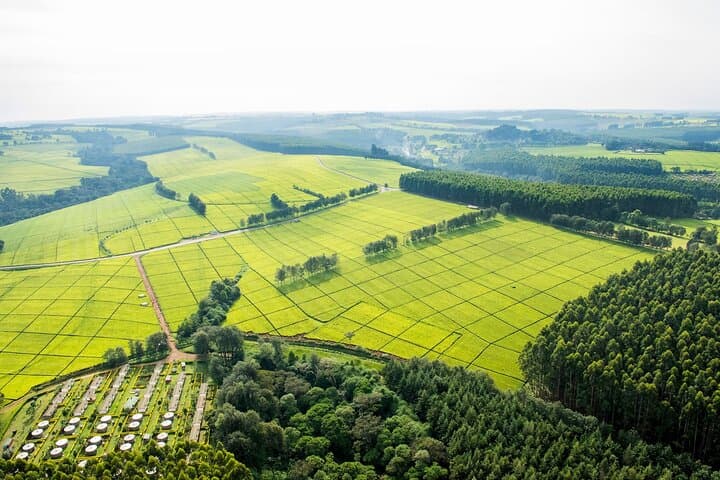

You step out of the van onto red Kenyan soil and the scent of fresh tea rises like an invitation. Neat rows of green bushes slope away from the main house; birds thread through the preserved indigenous forest and a black-and-white colobus pauses in the canopy as if to inspect you.
You step out of the van onto red Kenyan soil and the scent of fresh tea rises like an invitation. Neat rows of green bushes slope away from the main house; birds thread through the preserved indigenous forest and a black-and-white colobus pauses in the canopy as if to inspect you.
Kiambethu dates to 1910, one of the country’s older smallholder estates, where colonial-era planting met indigenous forest patches that remain today. Geologically the area sits on the high plateau above Nairobi—fertile, well-drained volcanic soils that tea plants favor—and the climate is cool and rainy enough for steady leaf growth. Culturally, the estate blends local Kikuyu farming traditions with a modern hospitality focus: guided walks, a tea-tasting led by hosts who explain with plain humor how withering, rolling and firing shape flavor, and a three-course lunch featuring locally sourced produce.
The tour usually includes a stroll through the gardens and the small forest, a practical demo of tea processing, and an expert-led tasting, with time to watch troop activity among the trees. It’s relaxed but structured: allow roughly six hours including Nairobi transfer.
Practical guidance: wear sturdy walking shoes for uneven garden paths, bring a light rain layer during the long rains (March–May), and carry water and insect repellent. Let the host know dietary needs when you book—lunch is included and often reflects seasonal produce. Cameras and binoculars pay dividends; the estate’s wildlife and cultivated rows make for satisfying close-up views. Expect a gentle, educational day outdoors rather than strenuous hiking—ideal for travelers who want a tactile look at Kenyan tea culture without technical effort.