THE ADVENTURE COLLECTIVE® · Independent discovery and booking for outdoor travel

Escape Nairobi for a six-hour day tour to Kiambethu Tea Farm in Limuru: walk tea terraces, explore an indigenous forest with a local guide, and enjoy a three-course lunch made from the farm’s produce. Practical, scenic, and easy walking—ideal for a nature-focused half-day from the city.
Escape Nairobi for a six-hour day tour to Kiambethu Tea Farm in Limuru: walk tea terraces, explore an indigenous forest with a local guide, and enjoy a three-course lunch made from the farm’s produce. Practical, scenic, and easy walking—ideal for a nature-focused half-day from the city.
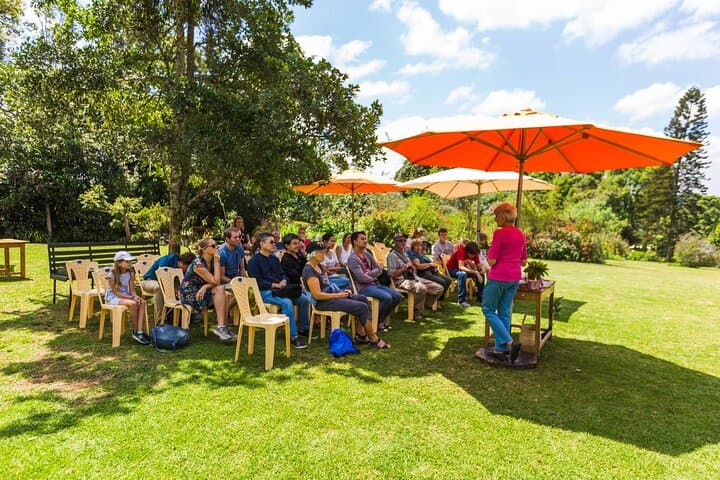
You arrive from Nairobi along a rising road and the air immediately changes: cooler, faintly grassy, the scent of freshly turned earth and tea leaves pressing at the windows. At Kiambethu Farm a guide meets you over a steaming cup and sketches the farm’s chronology — from colonial-era plantations to a working model of small-scale Kenyan tea production.
Verified experiences and guided adventures in the surrounding area.
Operated by Gracepatt Ecotours Kenya · Limuru, Kiambu County
You arrive from Nairobi along a rising road and the air immediately changes: cooler, faintly grassy, the scent of freshly turned earth and tea leaves pressing at the windows. At Kiambethu Farm a guide meets you over a steaming cup and sketches the farm’s chronology — from colonial-era plantations to a working model of small-scale Kenyan tea production.
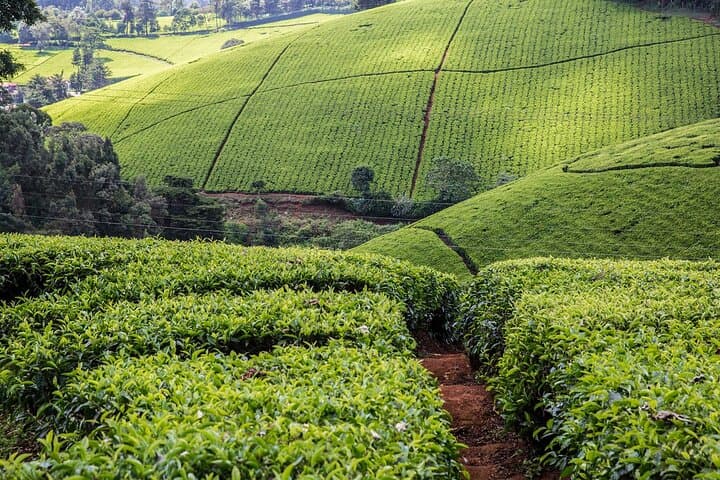
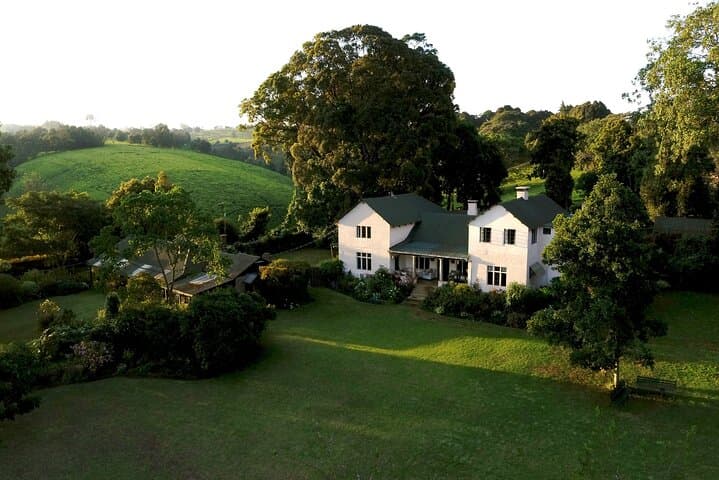
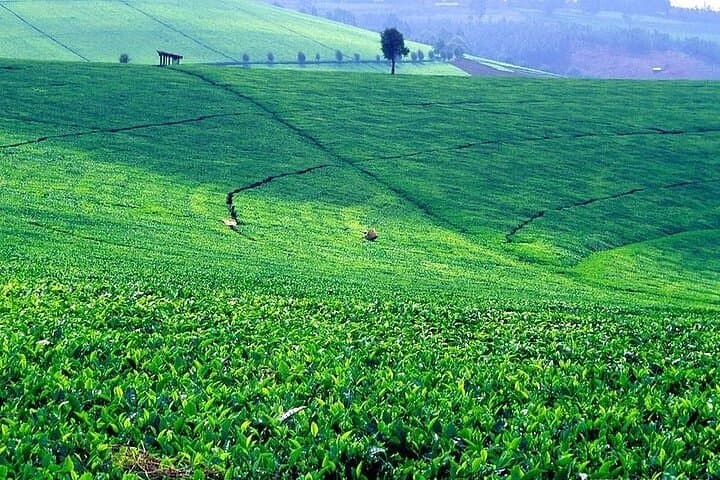
The property sits on volcanic soils of the central highlands, where gentle ridges fall toward the Ngong Hills. Walking the tea rows, you’ll see how plucking patterns shape the leaves, then step into a pocket of indigenous forest where medicinal shrubs and towering trees shelter Colobus monkeys and a chorus of sunbirds. The verandah at the farmhouse provides broad views across manicured fields to distant hills; the farm’s dairy and vegetable plots feed the kitchen, so your three-course buffet centers on local produce and dairy from Channel Island cows.
Culturally, Kiambethu is both a teaching farm and a community project: guides explain traditional plant uses and how tea shaped local economies during British rule. Geologically, the rich red soils owe their fertility to the Rift Valley’s volcanic legacy.
Practicalities: the shared day tour runs about six hours with pickup in Nairobi CBD, easy walking on mostly flat, sometimes muddy paths, and moderate elevation that can feel brisk. Bring sun and rain protection, comfortable shoes, insect repellent, and a reusable bottle—drinks and lunch are included. Timing morning departures avoids afternoon showers; move slowly on the forest trails to spot wildlife and absorb the farm’s quiet rhythms.
easy.
6 hours.
Suitable for most fitness levels; involves gentle walking on mostly flat to rolling terrain
Pickup is offered from hotels and residences in Nairobi CBD, typically around 9:45 a.m.; arrival at the farm is near 11:00 a.m. with return to Nairobi in the late afternoon.
Yes—walking is gentle and the farm accommodates mixed ages; infants must sit on an adult’s lap during transport per policy.
Yes—admission, a guided walk, a pre-lunch drink, and a three-course buffet lunch prepared with farm produce are included in the tour price.
Expect to see black-and-white Colobus monkeys up in the forest canopy and a variety of small birds like sunbirds and weavers around the gardens.
Kiambethu operates on central highlands land that became part of Kenya’s commercial tea economy during the early 20th century; today the farm balances production with education and local enterprise.
The farm practices small-scale, biodiversity-friendly agriculture and offers guided education about native plants; visitors are asked to stick to paths and avoid disturbing wildlife or plantings.
Gracepatt Ecotours Kenya operates guided outdoor trips and adventures with an emphasis on safety, stewardship, and memorable experiences.
You arrive from Nairobi along a rising road and the air immediately changes: cooler, faintly grassy, the scent of freshly turned earth and tea leaves pressing at the windows. At Kiambethu Farm a guide meets you over a steaming cup and sketches the farm’s chronology — from colonial-era plantations to a working model of small-scale Kenyan tea production.
You arrive from Nairobi along a rising road and the air immediately changes: cooler, faintly grassy, the scent of freshly turned earth and tea leaves pressing at the windows. At Kiambethu Farm a guide meets you over a steaming cup and sketches the farm’s chronology — from colonial-era plantations to a working model of small-scale Kenyan tea production.
The property sits on volcanic soils of the central highlands, where gentle ridges fall toward the Ngong Hills. Walking the tea rows, you’ll see how plucking patterns shape the leaves, then step into a pocket of indigenous forest where medicinal shrubs and towering trees shelter Colobus monkeys and a chorus of sunbirds. The verandah at the farmhouse provides broad views across manicured fields to distant hills; the farm’s dairy and vegetable plots feed the kitchen, so your three-course buffet centers on local produce and dairy from Channel Island cows.
Culturally, Kiambethu is both a teaching farm and a community project: guides explain traditional plant uses and how tea shaped local economies during British rule. Geologically, the rich red soils owe their fertility to the Rift Valley’s volcanic legacy.
Practicalities: the shared day tour runs about six hours with pickup in Nairobi CBD, easy walking on mostly flat, sometimes muddy paths, and moderate elevation that can feel brisk. Bring sun and rain protection, comfortable shoes, insect repellent, and a reusable bottle—drinks and lunch are included. Timing morning departures avoids afternoon showers; move slowly on the forest trails to spot wildlife and absorb the farm’s quiet rhythms.