THE ADVENTURE COLLECTIVE® · Independent discovery and booking for outdoor travel

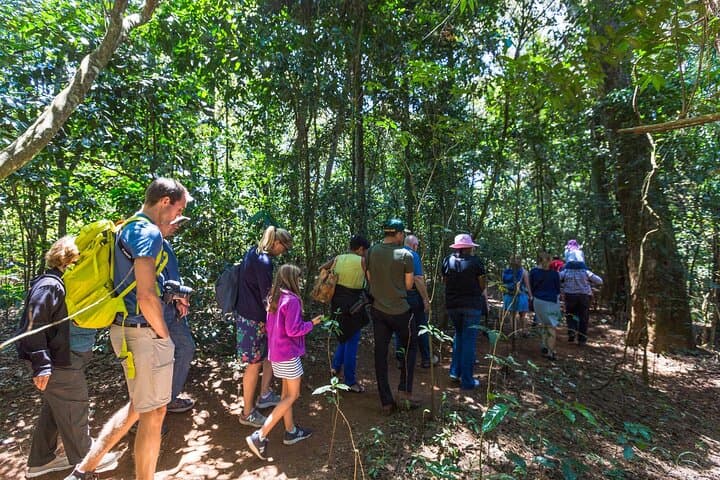
Spend a half day at Kiambethu Tea Estate: tea tasting, a guided walk through preserved indigenous forest with colobus sightings, and a farm-to-table three-course lunch. This easy, half-day tour is a practical escape from Nairobi into the highland tea country.
Spend a half day at Kiambethu Tea Estate: tea tasting, a guided walk through preserved indigenous forest with colobus sightings, and a farm-to-table three-course lunch. This easy, half-day tour is a practical escape from Nairobi into the highland tea country.
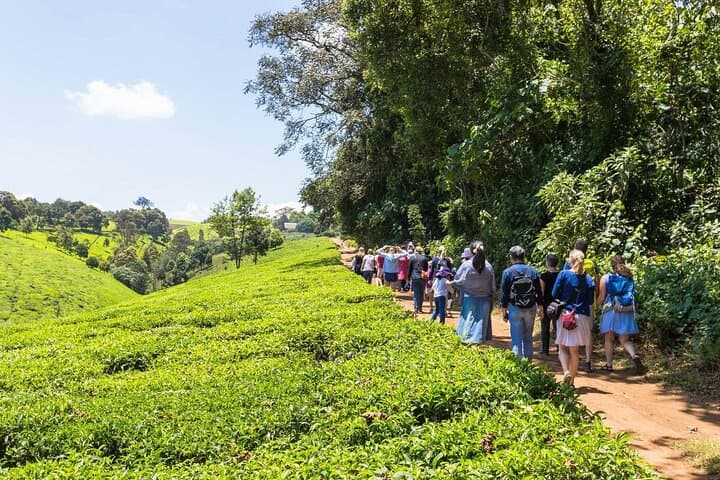
A cool breeze moves through the tea rows as the minivan eases off the highway and the city begins to fade — Nairobi’s skyline gives way to low hills and bright green terraces. At Kiambethu Tea Estate a warm, down-to-earth welcome from the hosts sets the tone: home-baked biscuits, a steaming pot of tea, and a guide who talks as easily about the farm’s past as they point out a band of colobus monkeys in the canopy.
Verified experiences and guided adventures in the surrounding area.
Operated by Shagami Kenya Tours and Safaris · Limuru, Kiambu County
A cool breeze moves through the tea rows as the minivan eases off the highway and the city begins to fade — Nairobi’s skyline gives way to low hills and bright green terraces. At Kiambethu Tea Estate a warm, down-to-earth welcome from the hosts sets the tone: home-baked biscuits, a steaming pot of tea, and a guide who talks as easily about the farm’s past as they point out a band of colobus monkeys in the canopy.
The estate sits on land shaped by the central Kenyan highlands: volcanic soils and gentle ridgelines that make the region ideal for tea planted during the colonial period. Much of the surrounding landscape was converted to tea in the 20th century, but Kiambethu preserves pockets of indigenous forest where endemic trees stand beside cultivated rows — the forest is both a wildlife corridor and a living archive of local ecology.
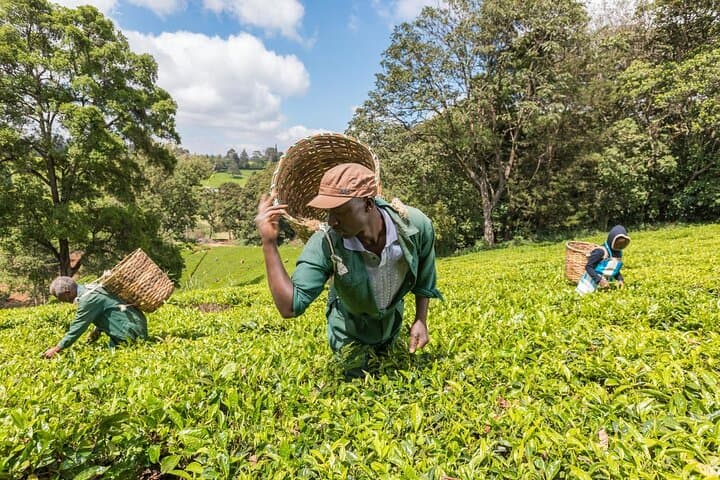
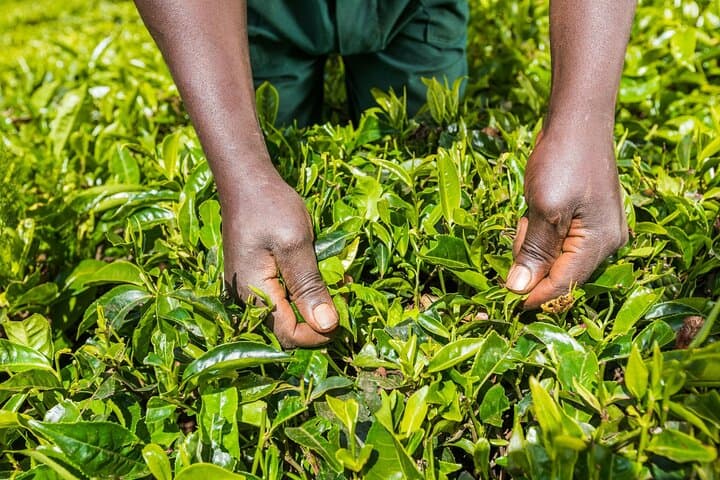
Culturally the visit reads as a short course in farm life: tea plucking techniques, leaf processing basics, and a three-course lunch built from nearby producers. Conversation covers local history, the role of smallholder farms in Kenya’s tea economy, and simple stewardship practices on the property.
Practical guidance: expect a relaxed half-day excursion with a couple of easy walks on uneven ground and shaded paths. Bring a light jacket for early morning or cool afternoons, wear closed-toe shoes for the forest walk, and flag dietary needs when you book. The experience is low-impact and family-friendly — a solid option for travelers wanting fresh-air culture, close-range wildlife viewing, and a dependable farm-to-table meal less than an hour from the capital.
easy.
6 hours.
Suitable for most fitness levels; guests should be able to manage 30–60 minutes of easy walking on uneven paths.
The tour is a roughly six-hour, half-day experience including hotel pickup/drop-off from Nairobi, a guided estate walk, tea tasting, entry to Kiambethu, and a three-course lunch with beverages.
Yes—walks are short and gentle, but the tour is not recommended for people with serious spinal or mobility issues; infants must sit on a lap during transfer.
Yes, the estate typically sells packaged tea and small preserves; bring cash for purchases in case card facilities are limited.
Provide full names, pickup location, any dietary restrictions, and arrival flight details so they can coordinate transfers and lunch requirements.
Tea plantations in the central Kenyan highlands expanded during the early 20th century under colonial administration; estates like Kiambethu now blend commercial cultivation with conserved indigenous forest fragments.
Kiambethu maintains patches of indigenous forest to support wildlife and water catchment; visitors are asked to stay on trails and avoid single-use plastics to reduce impact.
Shagami Kenya Tours and Safaris operates guided outdoor trips and adventures with an emphasis on safety, stewardship, and memorable experiences.
A cool breeze moves through the tea rows as the minivan eases off the highway and the city begins to fade — Nairobi’s skyline gives way to low hills and bright green terraces. At Kiambethu Tea Estate a warm, down-to-earth welcome from the hosts sets the tone: home-baked biscuits, a steaming pot of tea, and a guide who talks as easily about the farm’s past as they point out a band of colobus monkeys in the canopy.
A cool breeze moves through the tea rows as the minivan eases off the highway and the city begins to fade — Nairobi’s skyline gives way to low hills and bright green terraces. At Kiambethu Tea Estate a warm, down-to-earth welcome from the hosts sets the tone: home-baked biscuits, a steaming pot of tea, and a guide who talks as easily about the farm’s past as they point out a band of colobus monkeys in the canopy.
The estate sits on land shaped by the central Kenyan highlands: volcanic soils and gentle ridgelines that make the region ideal for tea planted during the colonial period. Much of the surrounding landscape was converted to tea in the 20th century, but Kiambethu preserves pockets of indigenous forest where endemic trees stand beside cultivated rows — the forest is both a wildlife corridor and a living archive of local ecology.
Culturally the visit reads as a short course in farm life: tea plucking techniques, leaf processing basics, and a three-course lunch built from nearby producers. Conversation covers local history, the role of smallholder farms in Kenya’s tea economy, and simple stewardship practices on the property.
Practical guidance: expect a relaxed half-day excursion with a couple of easy walks on uneven ground and shaded paths. Bring a light jacket for early morning or cool afternoons, wear closed-toe shoes for the forest walk, and flag dietary needs when you book. The experience is low-impact and family-friendly — a solid option for travelers wanting fresh-air culture, close-range wildlife viewing, and a dependable farm-to-table meal less than an hour from the capital.