THE ADVENTURE COLLECTIVE® · Independent discovery and booking for outdoor travel

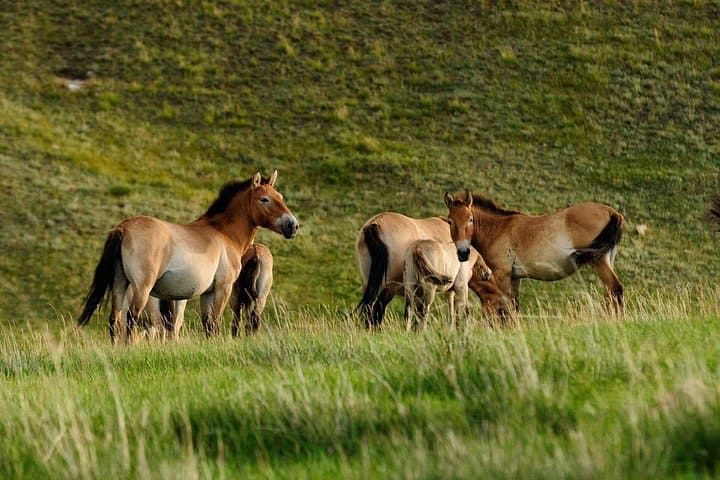
Spend a day on Mongolia’s steppe tracking reintroduced Przewalski’s horses at Khustai National Park. This practical day trip from Ulaanbaatar combines wildlife viewing, short hikes, and cultural context.
Spend a day on Mongolia’s steppe tracking reintroduced Przewalski’s horses at Khustai National Park. This practical day trip from Ulaanbaatar combines wildlife viewing, short hikes, and cultural context.
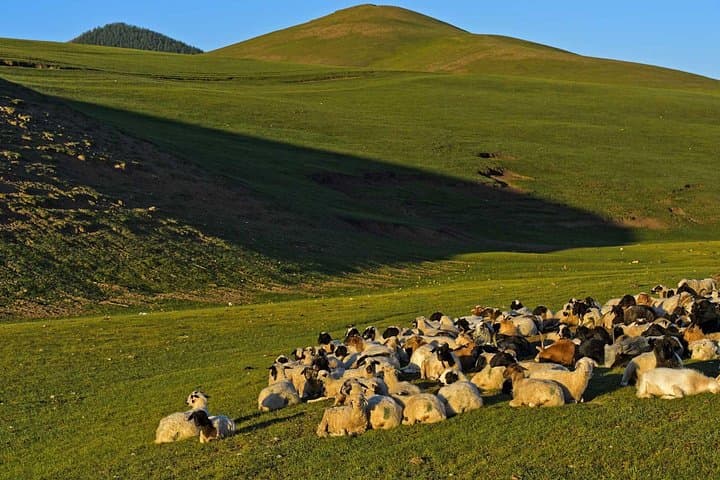
A low, wind-swept ridge opens as the van drops you at the park gate; the steppe rolls away in bands of grass and gravel, and the air has the dry, mineral bite of central Mongolia. Early in the day the light is flat and honest—exactly the kind that reads well in photos and lets you pick out motion at long distance. This full-day trip from Ulaanbaatar drives roughly 140 km each way (about 280 km round trip) to Khustai National Park, home of the reintroduced Przewalski’s horse (takhi) and a compact mosaic of steppe, hills, and freshwater pockets.
Verified experiences and guided adventures in the surrounding area.
Operated by Mongolian Tour Guide · Khustai National Park, Töv
A low, wind-swept ridge opens as the van drops you at the park gate; the steppe rolls away in bands of grass and gravel, and the air has the dry, mineral bite of central Mongolia. Early in the day the light is flat and honest—exactly the kind that reads well in photos and lets you pick out motion at long distance. This full-day trip from Ulaanbaatar drives roughly 140 km each way (about 280 km round trip) to Khustai National Park, home of the reintroduced Przewalski’s horse (takhi) and a compact mosaic of steppe, hills, and freshwater pockets.
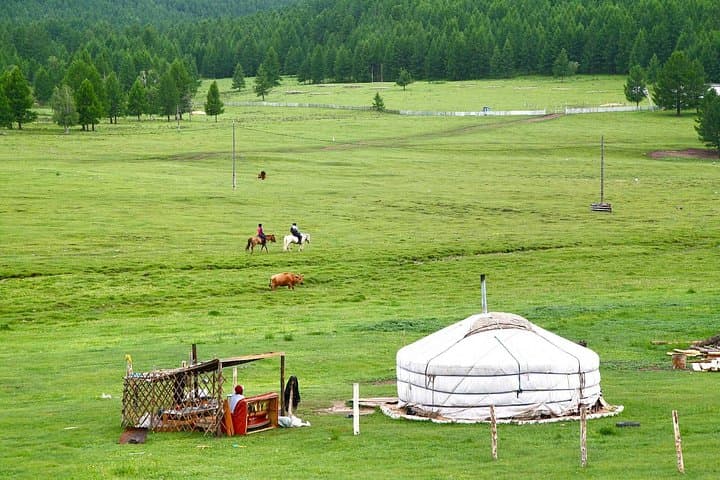
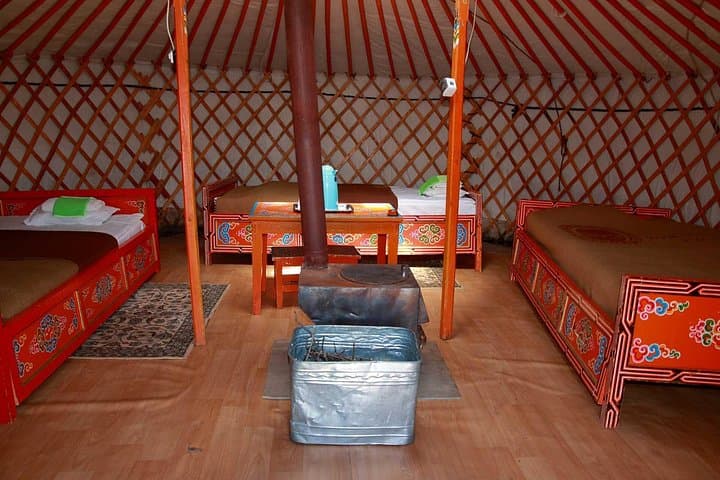
Khustai’s story is practical conservation: the takhi wiped nearly out in the early 20th century and were reintroduced here in the 1990s. Geologically the park is gentle—rolling bedrock and loess soils shaped by winds and grazing—and culturally it sits within the nomadic grazing landscape of Töv Province; you’ll see herding fences, seasonal grazing plots, and occasional gers on the horizon. Wildlife viewing focuses on open-country species—takhi, marmots, deer and the occasional wolf sighting—while short hikes move over grassy ridges and around shallow valleys.
Practical guidance: expect 6–9 hours total, bring layered clothing for sharp wind and sun, and plan for uneven but non-technical trails with small elevation changes (roughly 1,400–1,700 m above sea level). Morning departures increase the chance of seeing family groups of takhi. Guides typically provide lunch, transport in air-conditioned vehicles, and local context—pack water, binoculars and sturdy shoes for the best experience.
easy.
6–9 hours.
Suitable for travelers with basic fitness who can walk 2–4 miles over uneven grassland; no mountaineering fitness required.
Guides typically locate takhi on most day trips—sightings are common but never guaranteed; early departures and clear weather increase chances.
Yes—operators list it as suitable for all fitness levels; expect short, non-technical hikes and vehicle transport between viewing areas.
Lunch and transport in an air-conditioned vehicle are included in the tour price; special dietary options are usually available by request.
Facilities in the park are basic; bring toilet paper, hand sanitizer, and plan to use simple park restrooms or field facilities during hiking stops.
Khustai became a focal point for takhi reintroduction beginning in the 1990s, restoring a species that had vanished from the wild in the 20th century.
The park is a conservation model for steppe restoration—visitors are encouraged to stay on paths, avoid disturbing animals, and follow guide instructions to minimize impact.
Mongolian Tour Guide operates guided outdoor trips and adventures with an emphasis on safety, stewardship, and memorable experiences.
A low, wind-swept ridge opens as the van drops you at the park gate; the steppe rolls away in bands of grass and gravel, and the air has the dry, mineral bite of central Mongolia. Early in the day the light is flat and honest—exactly the kind that reads well in photos and lets you pick out motion at long distance. This full-day trip from Ulaanbaatar drives roughly 140 km each way (about 280 km round trip) to Khustai National Park, home of the reintroduced Przewalski’s horse (takhi) and a compact mosaic of steppe, hills, and freshwater pockets.
A low, wind-swept ridge opens as the van drops you at the park gate; the steppe rolls away in bands of grass and gravel, and the air has the dry, mineral bite of central Mongolia. Early in the day the light is flat and honest—exactly the kind that reads well in photos and lets you pick out motion at long distance. This full-day trip from Ulaanbaatar drives roughly 140 km each way (about 280 km round trip) to Khustai National Park, home of the reintroduced Przewalski’s horse (takhi) and a compact mosaic of steppe, hills, and freshwater pockets.
Khustai’s story is practical conservation: the takhi wiped nearly out in the early 20th century and were reintroduced here in the 1990s. Geologically the park is gentle—rolling bedrock and loess soils shaped by winds and grazing—and culturally it sits within the nomadic grazing landscape of Töv Province; you’ll see herding fences, seasonal grazing plots, and occasional gers on the horizon. Wildlife viewing focuses on open-country species—takhi, marmots, deer and the occasional wolf sighting—while short hikes move over grassy ridges and around shallow valleys.
Practical guidance: expect 6–9 hours total, bring layered clothing for sharp wind and sun, and plan for uneven but non-technical trails with small elevation changes (roughly 1,400–1,700 m above sea level). Morning departures increase the chance of seeing family groups of takhi. Guides typically provide lunch, transport in air-conditioned vehicles, and local context—pack water, binoculars and sturdy shoes for the best experience.