THE ADVENTURE COLLECTIVE® · Independent discovery and booking for outdoor travel

Move from Ulaanbaatar to the wide-steppe rhythms of Khustai National Park on a focused two-day trip to see Przewalski's horses and live nomadic traditions. Short walks, river-side observation, and visits to nomadic gers make this a compact wildlife-and-culture immersion.
Move from Ulaanbaatar to the wide-steppe rhythms of Khustai National Park on a focused two-day trip to see Przewalski's horses and live nomadic traditions. Short walks, river-side observation, and visits to nomadic gers make this a compact wildlife-and-culture immersion.
On the steppe at dusk the light flattens and the grass seems to breathe; silhouettes of Przewalski's horses appear like echoes of a Pleistocene pasture. This two-day excursion moves from the street grid of Ulaanbaatar to the wide, wind-sculpted plains of Khustai National Park where the takhi — the last truly wild horses — graze and drink along the Tuul River.
Verified experiences and guided adventures in the surrounding area.
Operated by Mongolian Vision Tours · Ulaanbaatar, Töv Province
On the steppe at dusk the light flattens and the grass seems to breathe; silhouettes of Przewalski's horses appear like echoes of a Pleistocene pasture. This two-day excursion moves from the street grid of Ulaanbaatar to the wide, wind-sculpted plains of Khustai National Park where the takhi — the last truly wild horses — graze and drink along the Tuul River.
Khustai sits on rolling Jurassic-era sediments with isolated limestone ridges and alluvial terraces formed by ancient rivers. The park preserves archaeological traces of nomadic peoples and the movement corridors they used; centuries of herding culture shaped local craft, dairy traditions, and ger architecture still visible in family camps.
Days combine short walks to riverside observation points, a guided visit to a nomadic family or ger camp, and a horse-ride option to approach grazing herds at twilight. Expect broad horizons, wind that seems to test your pack, and quiet windows of animal behavior when the horses gather to drink.
Practical guidance: arrive with layered clothing for rapid temperature swings, binoculars for distant viewing, and a camera with a telephoto lens if possible. Trails are short but uneven; the experience favors patience and low-impact observation to avoid stressing wildlife. Meals of Mongolian dairy and stew ground the visit in local taste, and a private guide handles logistics, permits, and park fees.
This trip pairs wildlife viewing with cultural context—an efficient, accessible immersion into Mongolia's living steppe and the people who still move across it.
moderate.
2 days (≈48 hours).
Suitable for travelers comfortable with short uneven walks and extended vehicle transfers; minimal endurance required.
Guides maintain recommended distances; animals are observed from riversides or high ground—approach only when directed by a guide to avoid disturbing them.
The itinerary may include an optional tourist ger camp or a stay with a nomadic family; confirm at booking and note basic amenities vary by option.
Basic horse rides are offered but riders should disclose experience; local horses are used and guides match routes to rider ability.
Park entrance fees are typically included in organized tours; independent visitors must buy permits at the park gate or visitor center.
Khustai protects restored populations of the Przewalski's horse and contains archaeological remains tied to historic nomadic routes across the Mongolian steppe.
The reserve is a rewilding success story; visits should minimize disturbance—stick to paths, avoid feeding wildlife, and follow guide instructions to support recovery efforts.
Mongolian Vision Tours operates guided outdoor trips and adventures with an emphasis on safety, stewardship, and memorable experiences.
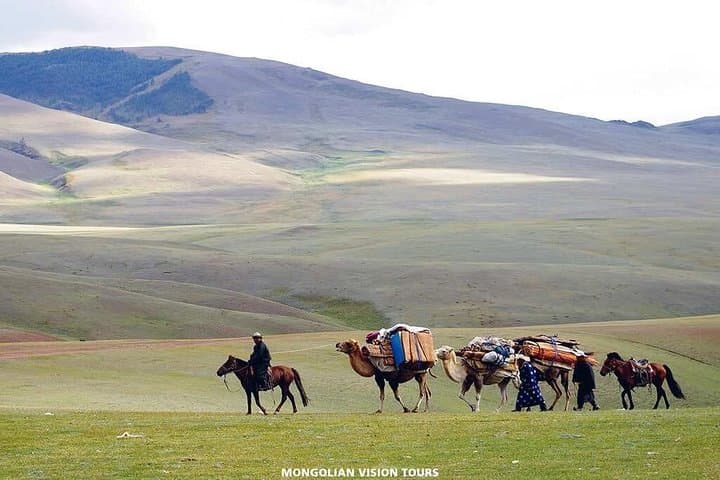
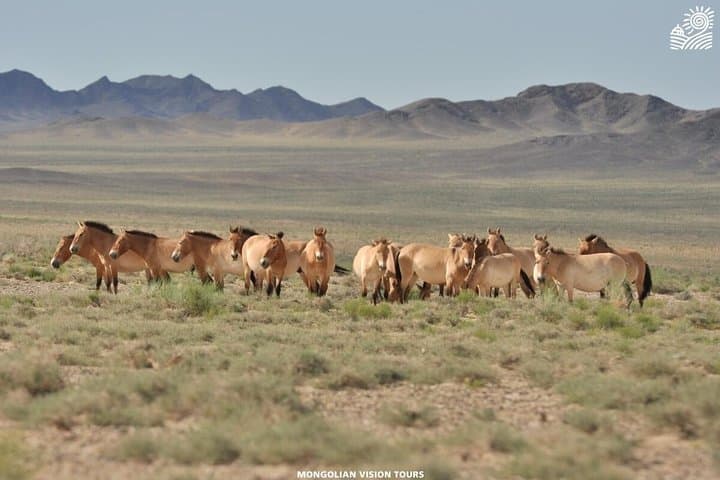
On the steppe at dusk the light flattens and the grass seems to breathe; silhouettes of Przewalski's horses appear like echoes of a Pleistocene pasture. This two-day excursion moves from the street grid of Ulaanbaatar to the wide, wind-sculpted plains of Khustai National Park where the takhi — the last truly wild horses — graze and drink along the Tuul River.
On the steppe at dusk the light flattens and the grass seems to breathe; silhouettes of Przewalski's horses appear like echoes of a Pleistocene pasture. This two-day excursion moves from the street grid of Ulaanbaatar to the wide, wind-sculpted plains of Khustai National Park where the takhi — the last truly wild horses — graze and drink along the Tuul River.
Khustai sits on rolling Jurassic-era sediments with isolated limestone ridges and alluvial terraces formed by ancient rivers. The park preserves archaeological traces of nomadic peoples and the movement corridors they used; centuries of herding culture shaped local craft, dairy traditions, and ger architecture still visible in family camps.
Days combine short walks to riverside observation points, a guided visit to a nomadic family or ger camp, and a horse-ride option to approach grazing herds at twilight. Expect broad horizons, wind that seems to test your pack, and quiet windows of animal behavior when the horses gather to drink.
Practical guidance: arrive with layered clothing for rapid temperature swings, binoculars for distant viewing, and a camera with a telephoto lens if possible. Trails are short but uneven; the experience favors patience and low-impact observation to avoid stressing wildlife. Meals of Mongolian dairy and stew ground the visit in local taste, and a private guide handles logistics, permits, and park fees.
This trip pairs wildlife viewing with cultural context—an efficient, accessible immersion into Mongolia's living steppe and the people who still move across it.