THE ADVENTURE COLLECTIVE® · Independent discovery and booking for outdoor travel

A private three-hour excursion to Khor Virap places you at the crossroads of Armenian history and dramatic Ararat views. This concise guide outlines what to expect at the monastery and how to prepare for the short walks and cultural context.
A private three-hour excursion to Khor Virap places you at the crossroads of Armenian history and dramatic Ararat views. This concise guide outlines what to expect at the monastery and how to prepare for the short walks and cultural context.
Step from the car onto sun-baked flagstones and feel the slope of history beneath your boots. Khor Virap sits on a low hill under the long shadow of Mount Ararat; the monastery’s compact courtyard opens onto a startling panorama where the snow-capped peak seems to fill the sky and the plain spreads like an old map. Inside the small church and adjoining deep pit—said to have held Gregory the Illuminator—stonework and faded frescoes retain a lived-in austerity, while priests and pilgrims move with quiet purpose.
Verified experiences and guided adventures in the surrounding area.
Operated by Jan Armenia Tours · Artashat, Ararat Province
Step from the car onto sun-baked flagstones and feel the slope of history beneath your boots. Khor Virap sits on a low hill under the long shadow of Mount Ararat; the monastery’s compact courtyard opens onto a startling panorama where the snow-capped peak seems to fill the sky and the plain spreads like an old map. Inside the small church and adjoining deep pit—said to have held Gregory the Illuminator—stonework and faded frescoes retain a lived-in austerity, while priests and pilgrims move with quiet purpose.
The site dates to the early medieval period, built atop earlier royal prison foundations and later rebuilt in the 17th century. Geologically the monastery perches on volcanic foothills of the Ararat plain; the soil here is loess and basalt fragments, which give the landscape a patchwork of vineyards, orchards, and pasture. Culturally, Khor Virap is both pilgrimage site and national symbol—its view toward Ararat anchors Armenian identity even across the border.
Practical guidance: the private, three-hour tour typically includes hotel pickup in Yerevan, an English-speaking guide, bottled water, and short walks on uneven stone. Expect one steep stairway into the historic pit and exposed sun along the approach—light layers and sun protection help. Photography is unrestricted in most areas, but show respect during services. Aim for morning or late afternoon for softer light and cooler temperatures, and allow time to absorb the view toward Ararat before returning to the city.
easy.
2–3 hours.
Suitable for most fitness levels; involves short walks and one set of steep steps into the historic pit.
The tour is approximately three hours total including transport from Yerevan and about one hour at the monastery.
Most private tours include time at Khor Virap but check the booking details; entrance to the site itself is generally free, though donations may be customary.
Yes—there is a stairway leading to the pit; it’s steep and narrow, so descend carefully and note limited headroom.
Children can visit, but the steep steps and uneven surfaces make strollers impractical; infant seats are often available in the tour vehicle.
Khor Virap became an important Armenian Christian site after Gregory the Illuminator was freed and helped convert King Trdat III, leading to Armenia’s early adoption of Christianity in the 4th century.
The site is managed as a cultural monument with ongoing preservation of stonework; visitors are asked to avoid climbing on fragile ruins and to carry out litter to protect the plain.
Jan Armenia Tours operates guided outdoor trips and adventures with an emphasis on safety, stewardship, and memorable experiences.
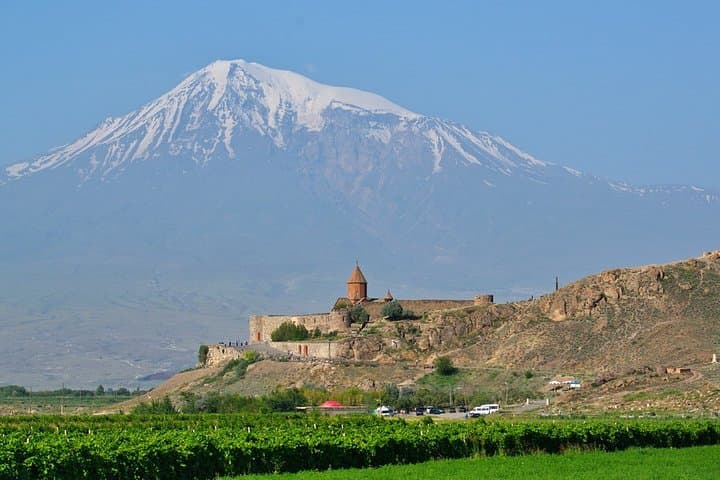
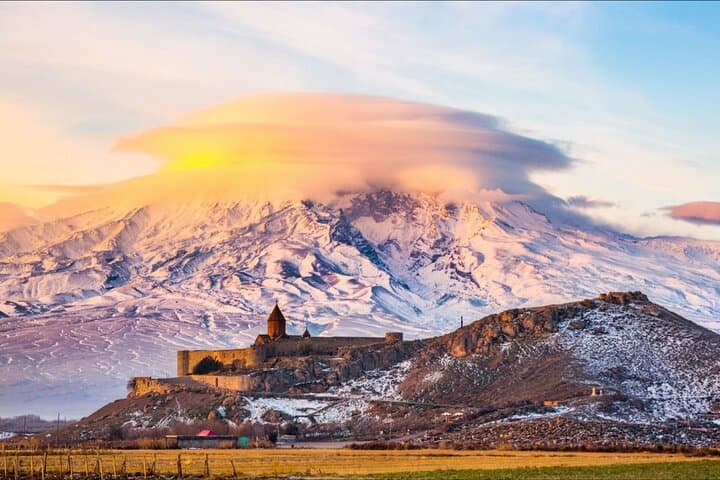
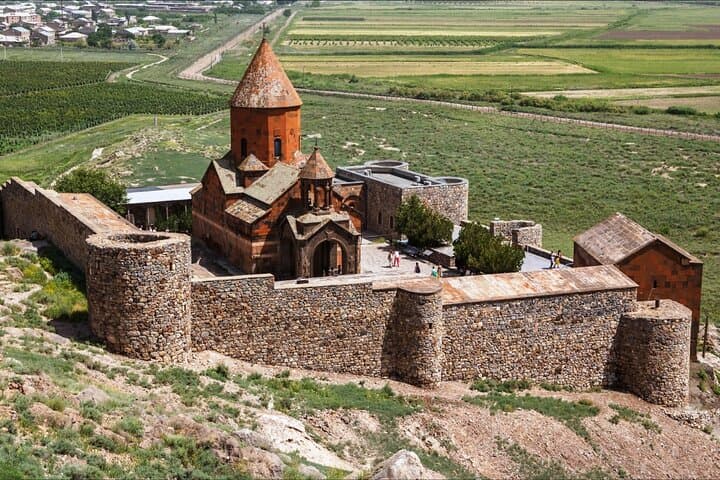
Step from the car onto sun-baked flagstones and feel the slope of history beneath your boots. Khor Virap sits on a low hill under the long shadow of Mount Ararat; the monastery’s compact courtyard opens onto a startling panorama where the snow-capped peak seems to fill the sky and the plain spreads like an old map. Inside the small church and adjoining deep pit—said to have held Gregory the Illuminator—stonework and faded frescoes retain a lived-in austerity, while priests and pilgrims move with quiet purpose.
Step from the car onto sun-baked flagstones and feel the slope of history beneath your boots. Khor Virap sits on a low hill under the long shadow of Mount Ararat; the monastery’s compact courtyard opens onto a startling panorama where the snow-capped peak seems to fill the sky and the plain spreads like an old map. Inside the small church and adjoining deep pit—said to have held Gregory the Illuminator—stonework and faded frescoes retain a lived-in austerity, while priests and pilgrims move with quiet purpose.
The site dates to the early medieval period, built atop earlier royal prison foundations and later rebuilt in the 17th century. Geologically the monastery perches on volcanic foothills of the Ararat plain; the soil here is loess and basalt fragments, which give the landscape a patchwork of vineyards, orchards, and pasture. Culturally, Khor Virap is both pilgrimage site and national symbol—its view toward Ararat anchors Armenian identity even across the border.
Practical guidance: the private, three-hour tour typically includes hotel pickup in Yerevan, an English-speaking guide, bottled water, and short walks on uneven stone. Expect one steep stairway into the historic pit and exposed sun along the approach—light layers and sun protection help. Photography is unrestricted in most areas, but show respect during services. Aim for morning or late afternoon for softer light and cooler temperatures, and allow time to absorb the view toward Ararat before returning to the city.