THE ADVENTURE COLLECTIVE® · Independent discovery and booking for outdoor travel

A full-day loop from Yerevan visiting Khor Virap, Garni and Geghard combines Armenia’s religious history, Greco-Roman ruins and rock-cut monasteries with a live lavash-baking master class. Expect scenic viewpoints, short walks and a deep dive into local culinary tradition.
A full-day loop from Yerevan visiting Khor Virap, Garni and Geghard combines Armenia’s religious history, Greco-Roman ruins and rock-cut monasteries with a live lavash-baking master class. Expect scenic viewpoints, short walks and a deep dive into local culinary tradition.
Morning light on Mount Ararat slices the sky as the van rolls out of Yerevan—this day tour strings together Armenia’s most vivid chapters: early Christian pilgrimage, pre-Christian architecture, rock-cut monastic austerity and a hands-on taste of local bread culture.
Verified experiences and guided adventures in the surrounding area.
Operated by Hyur Service · Yerevan, Yerevan
Morning light on Mount Ararat slices the sky as the van rolls out of Yerevan—this day tour strings together Armenia’s most vivid chapters: early Christian pilgrimage, pre-Christian architecture, rock-cut monastic austerity and a hands-on taste of local bread culture.
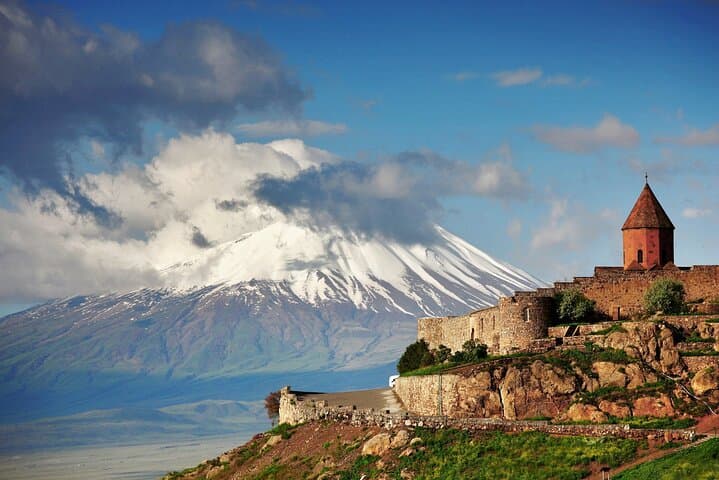
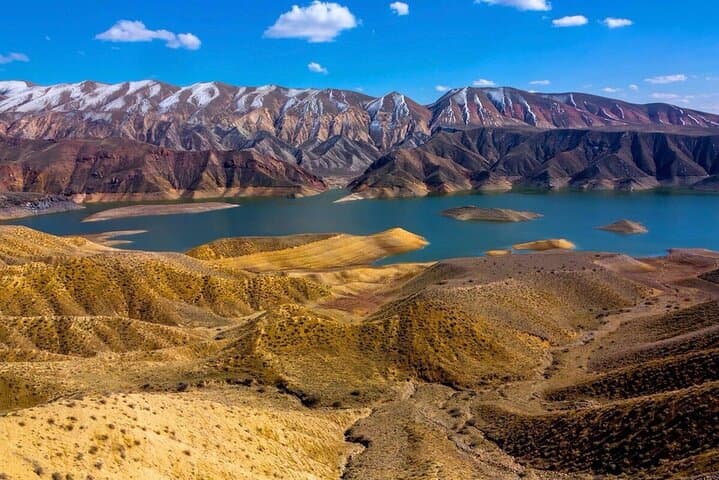
Khor Virap opens the sequence with a low stone church built above the dungeon of Saint Gregory the Illuminator; visitors look across the plain at Ararat’s double peaks and feel the same geographic drama that shaped Armenia’s conversion to Christianity in 301 CE. A short stop at the Azat viewpoint frames the reservoir and basalt cliffs, a reminder of volcanic forces and river erosion that carved the gorge.
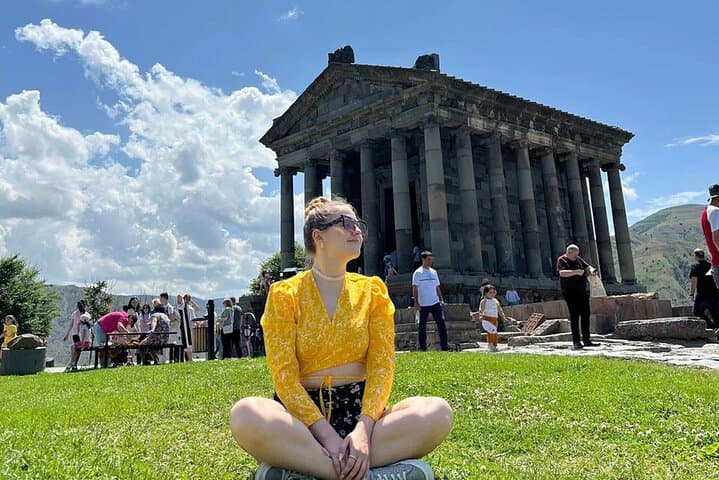
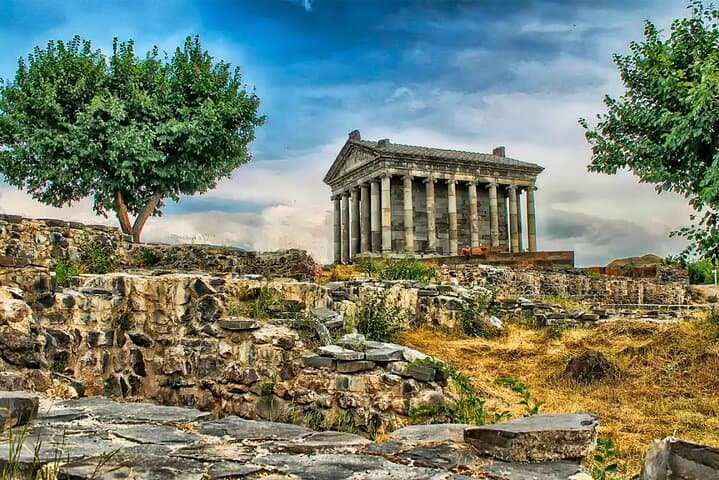
Garni stands next: the lone surviving Hellenistic-style pagan temple perched on a rocky cape, with nearby royal-bath mosaics and a dramatic cliff edge where columns meet sky. Lunch pauses around a lavash master class—watch dough slapped into a clay tonir, learn the women’s traditional techniques inscribed on UNESCO’s intangible heritage list, and taste bread still warm from the oven.
Geghard finishes the loop with vaulted chambers and chapels hewn directly into the limestone, a place where acoustics make chant tangible. The day is long—expect 8–9 hours of gentle walking, short stair sections and many photo stops.
Practical edge: modest dress for sacred sites, sturdy shoes for uneven floors and cliff edges, sunscreen and layered outerwear for variable mountain winds. Most logistics—transport, guide, admission—are provided; bring cash for extras and take a slow moment at each site to feel how history literally presses into the stone.
easy.
8–9 hours.
Suitable for most fitness levels; expect walking on stairs and uneven paths, minimal elevation change but an all-day pace.
Yes — the tour includes air-conditioned transport, professional guide services and the listed admission tickets.
Bottled water and pastries are included, but a full lunch is usually not; expect a snack break and options to buy local food at stops.
The operator notes stroller accessibility for short distances, but some sites have stairs and uneven surfaces; children should be supervised.
A full refund is available if you cancel at least 24 hours before the scheduled departure time.
Khor Virap marks the imprisonment of Saint Gregory the Illuminator and Armenia’s official conversion to Christianity in 301 CE; Geghard preserves sections of medieval monastic architecture carved from limestone.
These sites are UNESCO-listed or culturally protected—stick to marked paths, avoid touching fragile khachkars and support local conservation by limiting single-use plastics.
Hyur Service operates guided outdoor trips and adventures with an emphasis on safety, stewardship, and memorable experiences.
Morning light on Mount Ararat slices the sky as the van rolls out of Yerevan—this day tour strings together Armenia’s most vivid chapters: early Christian pilgrimage, pre-Christian architecture, rock-cut monastic austerity and a hands-on taste of local bread culture.
Morning light on Mount Ararat slices the sky as the van rolls out of Yerevan—this day tour strings together Armenia’s most vivid chapters: early Christian pilgrimage, pre-Christian architecture, rock-cut monastic austerity and a hands-on taste of local bread culture.
Khor Virap opens the sequence with a low stone church built above the dungeon of Saint Gregory the Illuminator; visitors look across the plain at Ararat’s double peaks and feel the same geographic drama that shaped Armenia’s conversion to Christianity in 301 CE. A short stop at the Azat viewpoint frames the reservoir and basalt cliffs, a reminder of volcanic forces and river erosion that carved the gorge.
Garni stands next: the lone surviving Hellenistic-style pagan temple perched on a rocky cape, with nearby royal-bath mosaics and a dramatic cliff edge where columns meet sky. Lunch pauses around a lavash master class—watch dough slapped into a clay tonir, learn the women’s traditional techniques inscribed on UNESCO’s intangible heritage list, and taste bread still warm from the oven.
Geghard finishes the loop with vaulted chambers and chapels hewn directly into the limestone, a place where acoustics make chant tangible. The day is long—expect 8–9 hours of gentle walking, short stair sections and many photo stops.
Practical edge: modest dress for sacred sites, sturdy shoes for uneven floors and cliff edges, sunscreen and layered outerwear for variable mountain winds. Most logistics—transport, guide, admission—are provided; bring cash for extras and take a slow moment at each site to feel how history literally presses into the stone.