THE ADVENTURE COLLECTIVE® · Independent discovery and booking for outdoor travel

A quieter, more remote Annapurna trek, the Khopra Ridge route leads to wide ridge vistas and the holy Khayer Lake across 12–14 days. Expect rhododendron forests, stone staircases and high ridgeline mornings with panoramic Himalayan views.
A quieter, more remote Annapurna trek, the Khopra Ridge route leads to wide ridge vistas and the holy Khayer Lake across 12–14 days. Expect rhododendron forests, stone staircases and high ridgeline mornings with panoramic Himalayan views.
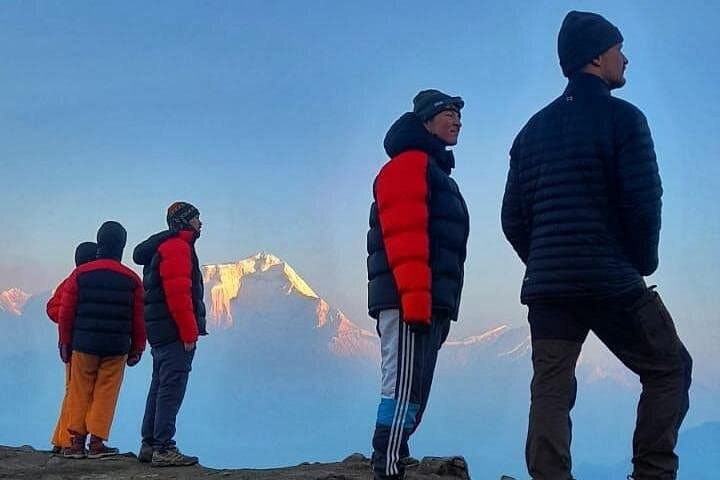
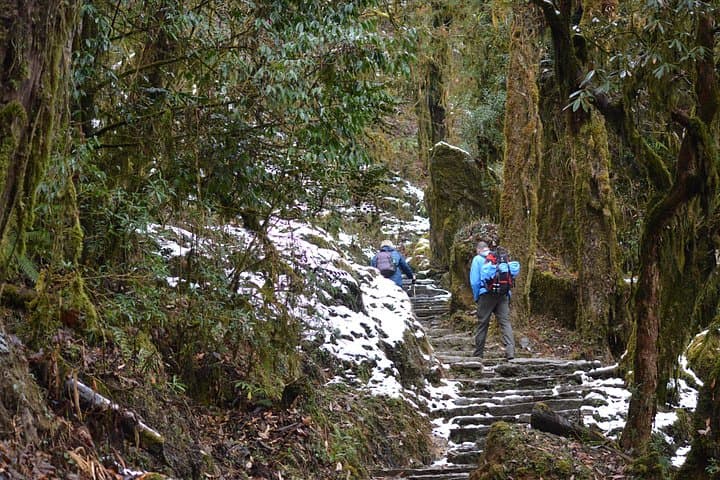
The first steps on the Khopra Ridge feel deliberate: cool, thin air, a ribbon of stone steps cutting through rhododendron forest, and a horizon of jagged white that seems to recompose itself with every bend.
Verified experiences and guided adventures in the surrounding area.
Operated by Amazing Himalaya Trekking Pvt Ltd · Pokhara, Gandaki Province
The first steps on the Khopra Ridge feel deliberate: cool, thin air, a ribbon of stone steps cutting through rhododendron forest, and a horizon of jagged white that seems to recompose itself with every bend.
This route—often called Khopra Danda—threads lesser-used trails west of the Annapurna Sanctuary and rewards trekkers with broad ridge viewpoints (3,600–4,000 m on common routes) and the sacred basin of Khayer Lake. Geologically, the ridge is carved from uplifted sedimentary layers; weather and glacial action have exposed sharp ridgelines and terraced foothills where Gurung and Magar villages maintain traditional farming.
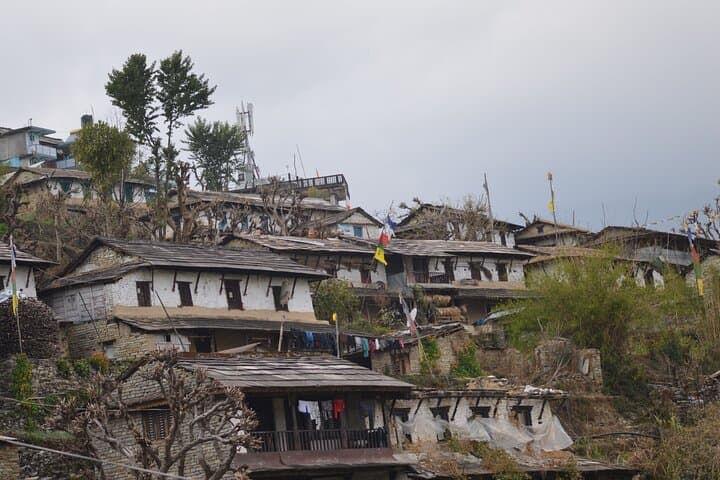
Culturally, villages en route are compact clusters of stone houses, mani walls and community teahouses where hospitality is practical and unpretentious. The Annapurna Conservation Area governs permits and conservation measures, so visitors will notice waste-management signs and community-managed trails. Wildlife is modest but present—Himalayan birds and occasional barking deer inhabit the forested slopes.
Practical guidance: the standard itinerary spans roughly 12–14 days including transfers from Pokhara, with daily walking of 4–7 hours and steady elevation gain on days toward Khopra Danda and Khayer Lake. Trails range from packed dirt to steep stone staircases and occasional scree; good boots and trekking poles matter. Acclimatize with a gradual ascent profile, carry layered insulation for cold ridge mornings, and budget local cash for teahouse meals and porter tips. Weather windows are best in spring and autumn; winter brings deep cold above 3,500 m, and monsoon makes lower sections slippery. With preparation, the Khopra Ridge Trek delivers remote panoramas and a quieter, spiritual alternative to busier Annapurna tracks.
moderate.
14 days.
Good aerobic fitness; comfortable walking 4–7 hours per day with steady climbs and descents to high-elevation viewpoints
Yes—trekkers require an Annapurna Conservation Area Permit (ACAP) and a TIMS card; these are typically arranged before or upon entry to the conservation area in Pokhara.
Most Khopra Ridge itineraries summit viewpoints or visit Khayer Lake between roughly 3,600 and 4,000 m depending on the exact route; altitude-related precautions are advised.
Moderately fit beginners can complete the route with acclimatized pacing, porter support and experienced guides; expect several steep days and long walking sections.
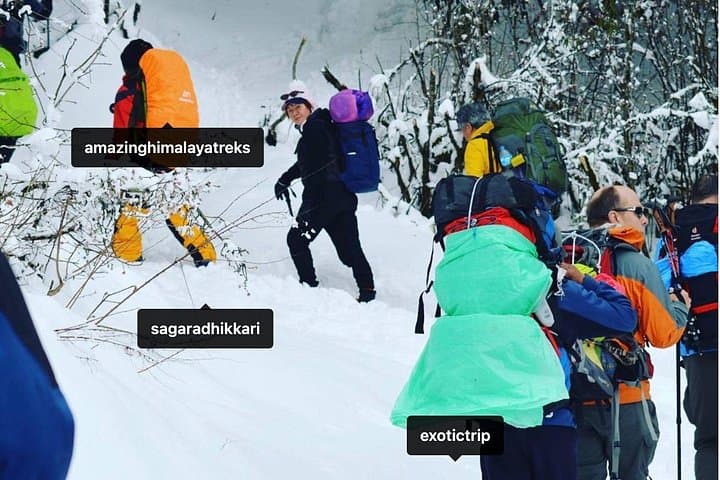
Spring (March–May) and autumn (September–November) offer the most stable conditions and best visibility; monsoon and deep winter bring higher risk of slippery trails or snow.
The route passes through traditional Gurung and Magar villages within the Annapurna Conservation Area, where trans-Himalayan trade and subsistence agriculture shaped local settlement patterns.
The Annapurna Conservation Area emphasizes waste reduction, trail maintenance and community-managed permits—carry out waste, use marked paths and support local teahouses.
Amazing Himalaya Trekking Pvt Ltd operates guided outdoor trips and adventures with an emphasis on safety, stewardship, and memorable experiences.
The first steps on the Khopra Ridge feel deliberate: cool, thin air, a ribbon of stone steps cutting through rhododendron forest, and a horizon of jagged white that seems to recompose itself with every bend.
The first steps on the Khopra Ridge feel deliberate: cool, thin air, a ribbon of stone steps cutting through rhododendron forest, and a horizon of jagged white that seems to recompose itself with every bend.
This route—often called Khopra Danda—threads lesser-used trails west of the Annapurna Sanctuary and rewards trekkers with broad ridge viewpoints (3,600–4,000 m on common routes) and the sacred basin of Khayer Lake. Geologically, the ridge is carved from uplifted sedimentary layers; weather and glacial action have exposed sharp ridgelines and terraced foothills where Gurung and Magar villages maintain traditional farming.
Culturally, villages en route are compact clusters of stone houses, mani walls and community teahouses where hospitality is practical and unpretentious. The Annapurna Conservation Area governs permits and conservation measures, so visitors will notice waste-management signs and community-managed trails. Wildlife is modest but present—Himalayan birds and occasional barking deer inhabit the forested slopes.
Practical guidance: the standard itinerary spans roughly 12–14 days including transfers from Pokhara, with daily walking of 4–7 hours and steady elevation gain on days toward Khopra Danda and Khayer Lake. Trails range from packed dirt to steep stone staircases and occasional scree; good boots and trekking poles matter. Acclimatize with a gradual ascent profile, carry layered insulation for cold ridge mornings, and budget local cash for teahouse meals and porter tips. Weather windows are best in spring and autumn; winter brings deep cold above 3,500 m, and monsoon makes lower sections slippery. With preparation, the Khopra Ridge Trek delivers remote panoramas and a quieter, spiritual alternative to busier Annapurna tracks.