THE ADVENTURE COLLECTIVE® · Independent discovery and booking for outdoor travel

A quieter, community-led alternative to busier Annapurna routes, the Khopra Ridge Trek reaches 3,870 m for sweeping views of Annapurna and Dhaulagiri. Expect basic tea houses, rhododendron forests, and a memorable side trip to Khayer Lake.
A quieter, community-led alternative to busier Annapurna routes, the Khopra Ridge Trek reaches 3,870 m for sweeping views of Annapurna and Dhaulagiri. Expect basic tea houses, rhododendron forests, and a memorable side trip to Khayer Lake.
You crest a final ridge and the Annapurna massif spreads like a hard line on the horizon—Annapurna South only a handful of kilometers away, Dhaulagiri looming to the west. The wind pushes at your jacket, rhododendron crowns rustle, and the tea-house smoke below marks the night's refuge. This is Khopra Ridge: a quieter alternative to the main Annapurna Circuit where community lodges and homestays keep the trail human-scaled.
Verified experiences and guided adventures in the surrounding area.
Operated by Top of The World Treks Pvt.Ltd · Pokhara, Gandaki Province
You crest a final ridge and the Annapurna massif spreads like a hard line on the horizon—Annapurna South only a handful of kilometers away, Dhaulagiri looming to the west. The wind pushes at your jacket, rhododendron crowns rustle, and the tea-house smoke below marks the night's refuge. This is Khopra Ridge: a quieter alternative to the main Annapurna Circuit where community lodges and homestays keep the trail human-scaled.
The route threads Gurung villages, oak and rhododendron forests, alpine pastures and short stretches above the tree line. The geology is immediate—steep folded limestone and metamorphic slopes that lift abruptly into snowbound peaks. Khayer Lake, higher on the ridge, draws both pilgrims and trekkers; local temples reflect the region’s strong Gurung and Tibetan-influenced Buddhist traditions. Small terraces and buffalo pastures tell the story of subsistence life that persists alongside growing trekking income.
Expect steady days of 4–6 hours on singletrack, stone steps and muddy ascents, with a cumulative elevation gain of roughly 1,900–2,000 m from Ghandruk to Khopra (1940m to 3,870m). Lodges are basic—community-run and home-style—so pack for simple cooking, shared rooms and limited hot-water windows.
Practical guidance: pace yourself for altitude (acclimatize on rest days), carry layers for sharp diurnal swings, and bring cash for remote village purchases. The best windows are spring and autumn for clear mountain views; monsoon makes trails slippery and winter pushes snow above 3,000 m. Move deliberately, respect local customs, and the ridge rewards with uninterrupted sunrise ridgelines and a quieter, more personal face of the Annapurna range.
moderate.
14 days.
Moderate fitness—comfortable hiking 4–6 hours daily on uneven terrain and able to handle several days above 3,000 m
Yes—trekkers usually require an Annapurna Conservation Area Project (ACAP) permit and a TIMS card; your operator often arranges these before departure.
Spring (March–May) and autumn (September–November) offer the clearest views and stable weather; monsoon brings heavy rain and winter brings snow above 3,000 m.
Expect community-run tea houses with simple dorm-style rooms, Nepalese set meals (dal bhat) and limited hot-water hours—bring cash for extras.
The trek reaches ~3,870 m; follow acclimatization days, stay hydrated, avoid ascending if you develop symptoms, and descend if they worsen.
The Khopra route follows traditional transhumance and trade paths used by Gurung communities and shepherds; more recent community lodges are part of local rural tourism initiatives.
The trek passes through the Annapurna Conservation Area—minimize waste, avoid single-use plastics, and support community lodges that contribute to local conservation and livelihoods.
Top of The World Treks Pvt.Ltd operates guided outdoor trips and adventures with an emphasis on safety, stewardship, and memorable experiences.
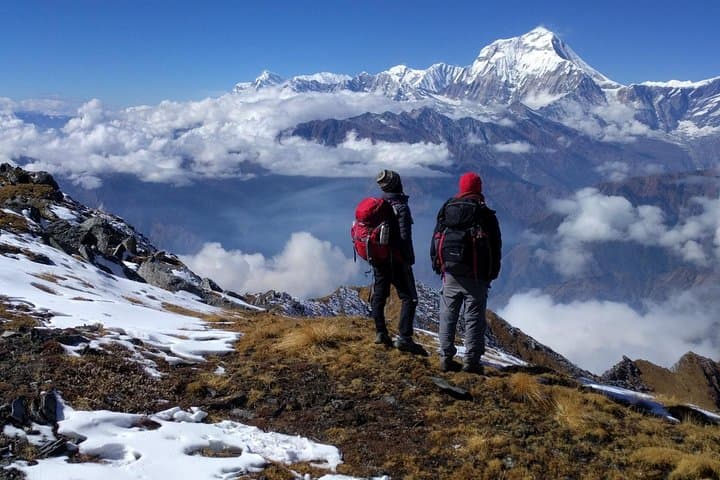
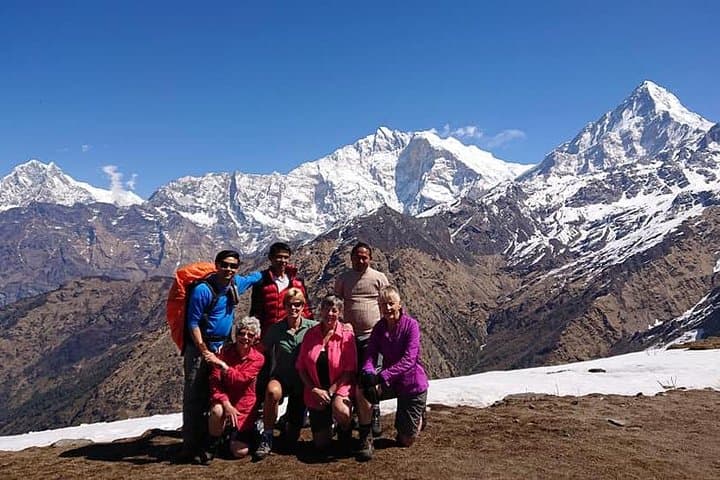
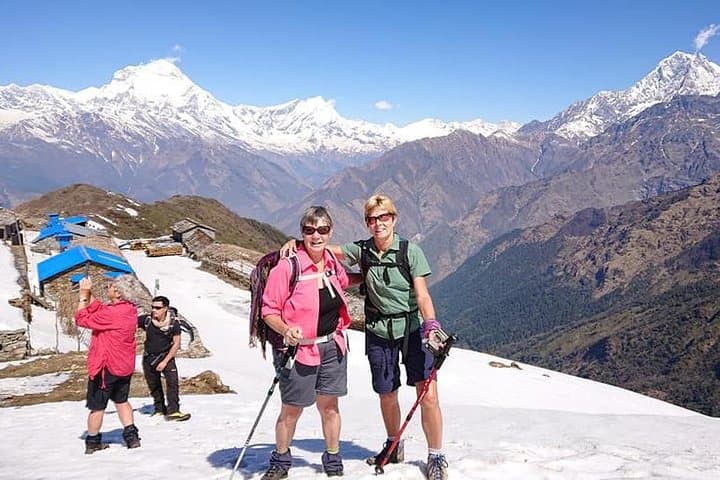
You crest a final ridge and the Annapurna massif spreads like a hard line on the horizon—Annapurna South only a handful of kilometers away, Dhaulagiri looming to the west. The wind pushes at your jacket, rhododendron crowns rustle, and the tea-house smoke below marks the night's refuge. This is Khopra Ridge: a quieter alternative to the main Annapurna Circuit where community lodges and homestays keep the trail human-scaled.
You crest a final ridge and the Annapurna massif spreads like a hard line on the horizon—Annapurna South only a handful of kilometers away, Dhaulagiri looming to the west. The wind pushes at your jacket, rhododendron crowns rustle, and the tea-house smoke below marks the night's refuge. This is Khopra Ridge: a quieter alternative to the main Annapurna Circuit where community lodges and homestays keep the trail human-scaled.
The route threads Gurung villages, oak and rhododendron forests, alpine pastures and short stretches above the tree line. The geology is immediate—steep folded limestone and metamorphic slopes that lift abruptly into snowbound peaks. Khayer Lake, higher on the ridge, draws both pilgrims and trekkers; local temples reflect the region’s strong Gurung and Tibetan-influenced Buddhist traditions. Small terraces and buffalo pastures tell the story of subsistence life that persists alongside growing trekking income.
Expect steady days of 4–6 hours on singletrack, stone steps and muddy ascents, with a cumulative elevation gain of roughly 1,900–2,000 m from Ghandruk to Khopra (1940m to 3,870m). Lodges are basic—community-run and home-style—so pack for simple cooking, shared rooms and limited hot-water windows.
Practical guidance: pace yourself for altitude (acclimatize on rest days), carry layers for sharp diurnal swings, and bring cash for remote village purchases. The best windows are spring and autumn for clear mountain views; monsoon makes trails slippery and winter pushes snow above 3,000 m. Move deliberately, respect local customs, and the ridge rewards with uninterrupted sunrise ridgelines and a quieter, more personal face of the Annapurna range.