THE ADVENTURE COLLECTIVE® · Independent discovery and booking for outdoor travel

A private 10‑day Annapurna trek that links Mohare Danda, Khopra Ridge and Poon Hill—this route trades crowds for remote ridgelines, community lodges, and panoramic views of Annapurna and Dhaulagiri. Practical for fit trekkers who want local culture and high‑altitude vistas.
A private 10‑day Annapurna trek that links Mohare Danda, Khopra Ridge and Poon Hill—this route trades crowds for remote ridgelines, community lodges, and panoramic views of Annapurna and Dhaulagiri. Practical for fit trekkers who want local culture and high‑altitude vistas.
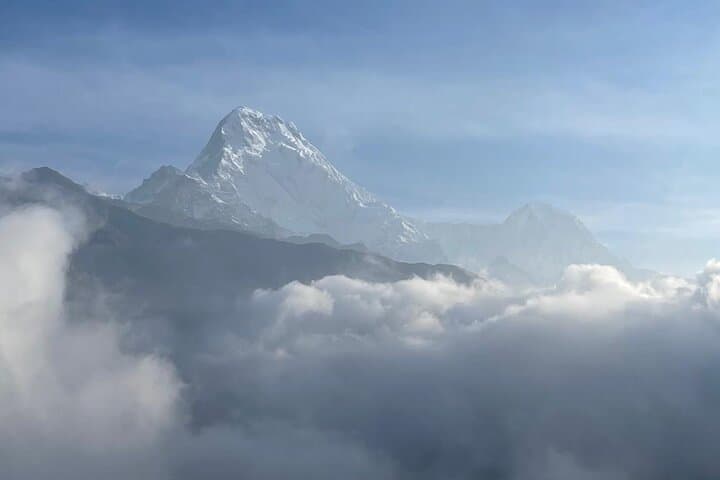
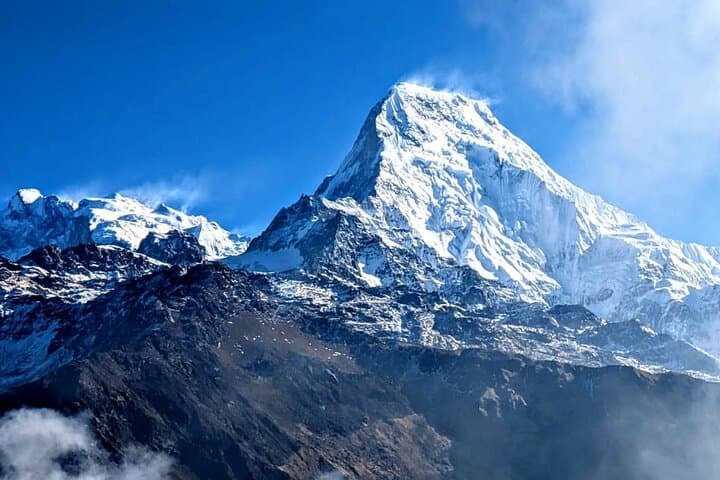
Dawn breaks on a narrow ridge and the Himalaya answers—first light sliding across Annapurna South and Dhaulagiri, turning stone into gold.
Verified experiences and guided adventures in the surrounding area.
Operated by CAN Travels · Pokhara, Gandaki Province
Dawn breaks on a narrow ridge and the Himalaya answers—first light sliding across Annapurna South and Dhaulagiri, turning stone into gold.
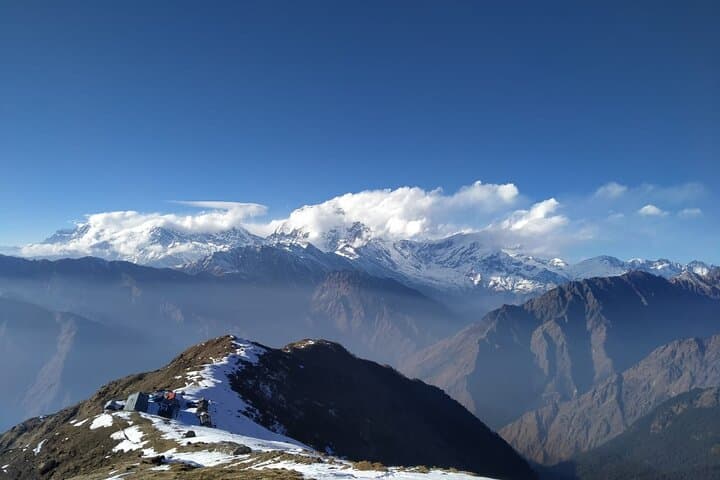
This private 10‑day trek begins with a short drive from Pokhara (822m) into the Modi/Kaligandaki valleys, then climbs through terraced farms, oak and rhododendron forest, and high pastureland to viewpoints at Mohare Danda (≈3,300m), Khopra Danda (≈3,660m) and the pilgrimage basin of Khayer Lake (≈4,660m).
The route threads local Magar and Gurung villages—Galeshwor, Nangi, Ghorepani and Ghandruk—where community lodges and homestays illustrate Annapurna conservation and eco‑tourism efforts. Geologically the trail runs along the southern slopes of the Annapurna massif, offering close-range views of glaciated peaks, moraine valleys, and the deep Kaligandaki gorge carved by monsoon-fed rivers.
Expect varied terrain: stone stairways, muddy forest trails, open kharkas with grazing yaks, and exposed ridgelines for sunrise photos. Cultural touches include visits to a Lokta paper workshop, a community school, and the Khayer Barahi temple near the sacred lake.
Practical notes: the trek is best in spring or fall for stable weather and rhododendron blooms; altitude gain is significant—proper acclimatization and hydration are essential. Pack layered insulation, sturdy waterproof boots, and a basic first‑aid kit; porters or jeep transfers shorten approach days. Guided, private service simplifies permits, transfers and guesthouse bookings, leaving you to manage pacing and altitude. With patient pacing, this route rewards hikers with less‑crowded panoramas of the Annapurna and Dhaulagiri ranges.
challenging.
10 days.
Recommended for experienced hikers with good cardiovascular fitness and prior multi‑day trekking; comfortable with long daily ascents and altitude.
Yes—trekking in the Annapurna region requires the Annapurna Conservation Area Permit (ACAP) and a TIMS card; guides typically arrange these before departure.
Very strenuous—that day can be 8–10 hours with steep gain to 4,660 m; allow extra time, start early and only attempt it if well acclimatized.
Basic but clean: guesthouses provide simple beds, hot meals and shared bathrooms; expect rustic mountain hospitality rather than hotel comforts.
Yes—symptoms can appear above 2,500–3,000 m; ascend slowly, hydrate, avoid alcohol and be prepared to descend if symptoms worsen.
The route crosses traditional Magar and Gurung communities historically connected to trans‑Himalayan trade and pastoralism; many villages retain communal lodge initiatives tied to eco‑tourism.
The trek passes through the Annapurna Conservation Area where community lodges support sustainable tourism; stick to marked trails, pack out waste and respect local water resources.
CAN Travels operates guided outdoor trips and adventures with an emphasis on safety, stewardship, and memorable experiences.
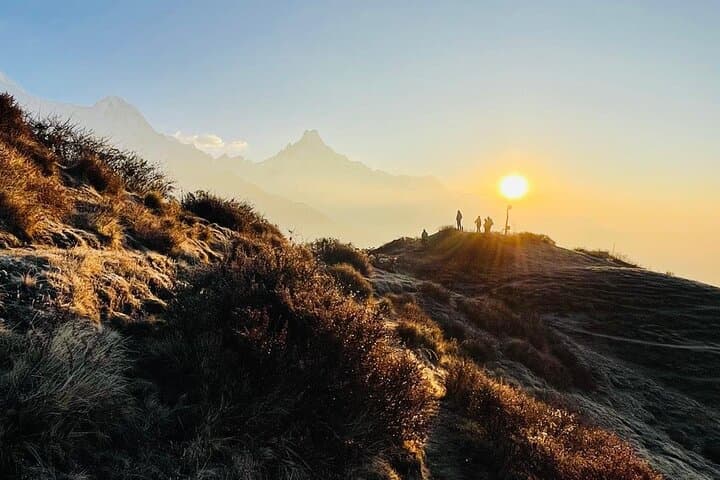
Dawn breaks on a narrow ridge and the Himalaya answers—first light sliding across Annapurna South and Dhaulagiri, turning stone into gold.
Dawn breaks on a narrow ridge and the Himalaya answers—first light sliding across Annapurna South and Dhaulagiri, turning stone into gold.
This private 10‑day trek begins with a short drive from Pokhara (822m) into the Modi/Kaligandaki valleys, then climbs through terraced farms, oak and rhododendron forest, and high pastureland to viewpoints at Mohare Danda (≈3,300m), Khopra Danda (≈3,660m) and the pilgrimage basin of Khayer Lake (≈4,660m).
The route threads local Magar and Gurung villages—Galeshwor, Nangi, Ghorepani and Ghandruk—where community lodges and homestays illustrate Annapurna conservation and eco‑tourism efforts. Geologically the trail runs along the southern slopes of the Annapurna massif, offering close-range views of glaciated peaks, moraine valleys, and the deep Kaligandaki gorge carved by monsoon-fed rivers.
Expect varied terrain: stone stairways, muddy forest trails, open kharkas with grazing yaks, and exposed ridgelines for sunrise photos. Cultural touches include visits to a Lokta paper workshop, a community school, and the Khayer Barahi temple near the sacred lake.
Practical notes: the trek is best in spring or fall for stable weather and rhododendron blooms; altitude gain is significant—proper acclimatization and hydration are essential. Pack layered insulation, sturdy waterproof boots, and a basic first‑aid kit; porters or jeep transfers shorten approach days. Guided, private service simplifies permits, transfers and guesthouse bookings, leaving you to manage pacing and altitude. With patient pacing, this route rewards hikers with less‑crowded panoramas of the Annapurna and Dhaulagiri ranges.