THE ADVENTURE COLLECTIVE® · Independent discovery and booking for outdoor travel

A seven-day circuit from Pokhara that trades crowds for ridge-line exposure and a high alpine lake. Hike through Gurung villages, dense rhododendron forest and wide mountain vistas to Khopra Danda and the sacred Khayar Lake.
A seven-day circuit from Pokhara that trades crowds for ridge-line exposure and a high alpine lake. Hike through Gurung villages, dense rhododendron forest and wide mountain vistas to Khopra Danda and the sacred Khayar Lake.
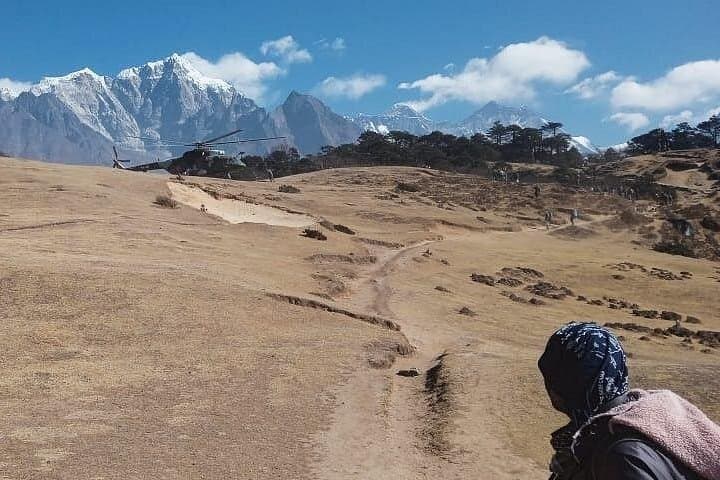
Dawn breaks over terraced fields as the jeep eases out of Pokhara and the road becomes a ribbon of dust toward Nayapul. The first steps climb through oak and rhododendron, the air sharpened by height; by mid-trek the ridge of Khopra Danda opens, a broad spine of grass and stone where wind pushes the view toward Annapurna and Dhaulagiri.
Verified experiences and guided adventures in the surrounding area.
Operated by Welcome Nepal Treks P.ltd · Pokhara, Gandaki Province
Dawn breaks over terraced fields as the jeep eases out of Pokhara and the road becomes a ribbon of dust toward Nayapul. The first steps climb through oak and rhododendron, the air sharpened by height; by mid-trek the ridge of Khopra Danda opens, a broad spine of grass and stone where wind pushes the view toward Annapurna and Dhaulagiri.
The route threads villages long inhabited by Gurung farmers and shepherds; stone houses and mani walls mark centuries of Himalayan settlement. Geologically the trail follows river-cut valleys and uplifted strata of the Greater Himalaya, revealing moraine benches above treeline and a band of alpine pastures—kharkas—used seasonally for grazing. Locals maintain teahouses and trails, and traditional festivals and homestay hospitality remain visible in places like Ghandruk and Swanta.
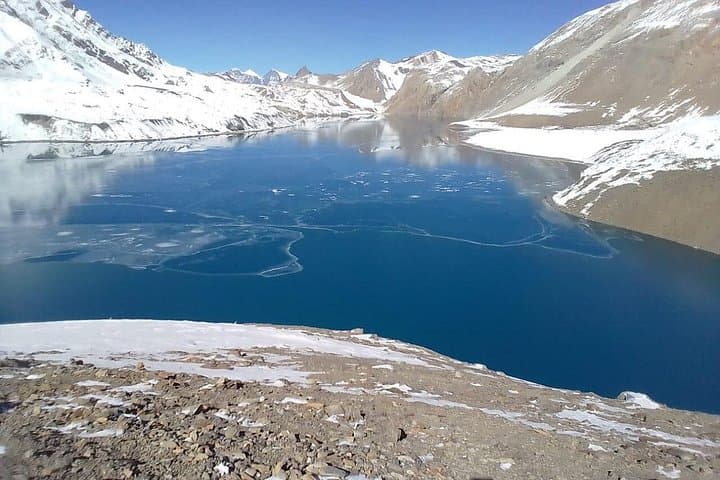
Expect trail variety: carved stone steps, forested switchbacks, high meadows and a steep, less-defined ascent to Khayar Lake (a glacial-fed tarn). High-altitude weather can change quickly—sunlit mornings can feel warm while afternoons bring wind and blue cold.
Practical guidance: carry layered insulation and a reliable down jacket for nights at 3,300–4,500 m, use trekking poles for long descents to Ulleri, and hydrate often to help altitude acclimatization. Guides and TIMS/Annapurna Conservation permits are standard; teahouse lodgings provide meals but are basic. Aim to ascend conservatively, keep daily packs light (porter provided), and schedule the Poon Hill sunrise early to avoid crowds. With steady pacing the Khopra circuit is a richly varied week of high ridges, lake solitude, and panoramic mountain theatre.
challenging.
6–7 days.
Good aerobic fitness with experience on sustained uphill and downhill walking; comfortable carrying a light daypack and walking 5–7 hours per day.
Yes—you need TIMS and Annapurna Conservation Area Project permits; your operator usually arranges these before departure.
The Khayar Lake day return is long (9–10 hours) and reaches ~4,500 m; expect steep, exposed sections and altitude effects—only attempt if well-acclimatized.
Overnight stays are in teahouses with basic dorm or private rooms; heating is limited and hot water may be scheduled by evening.
Spring (March–May) and fall (September–November) offer the clearest views and stable weather; winter is cold and summer brings monsoon showers.
The trail traverses Gurung communities historically tied to trans-Himalayan trade and pastoral grazing; Ghandruk is a long-established Gurung settlement known for cultural homestays.
This route sits inside the Annapurna Conservation Area—carry out waste, use established teahouses, and follow local guidance to limit trail erosion and disturbance.
Welcome Nepal Treks P.ltd operates guided outdoor trips and adventures with an emphasis on safety, stewardship, and memorable experiences.
Dawn breaks over terraced fields as the jeep eases out of Pokhara and the road becomes a ribbon of dust toward Nayapul. The first steps climb through oak and rhododendron, the air sharpened by height; by mid-trek the ridge of Khopra Danda opens, a broad spine of grass and stone where wind pushes the view toward Annapurna and Dhaulagiri.
Dawn breaks over terraced fields as the jeep eases out of Pokhara and the road becomes a ribbon of dust toward Nayapul. The first steps climb through oak and rhododendron, the air sharpened by height; by mid-trek the ridge of Khopra Danda opens, a broad spine of grass and stone where wind pushes the view toward Annapurna and Dhaulagiri.
The route threads villages long inhabited by Gurung farmers and shepherds; stone houses and mani walls mark centuries of Himalayan settlement. Geologically the trail follows river-cut valleys and uplifted strata of the Greater Himalaya, revealing moraine benches above treeline and a band of alpine pastures—kharkas—used seasonally for grazing. Locals maintain teahouses and trails, and traditional festivals and homestay hospitality remain visible in places like Ghandruk and Swanta.
Expect trail variety: carved stone steps, forested switchbacks, high meadows and a steep, less-defined ascent to Khayar Lake (a glacial-fed tarn). High-altitude weather can change quickly—sunlit mornings can feel warm while afternoons bring wind and blue cold.
Practical guidance: carry layered insulation and a reliable down jacket for nights at 3,300–4,500 m, use trekking poles for long descents to Ulleri, and hydrate often to help altitude acclimatization. Guides and TIMS/Annapurna Conservation permits are standard; teahouse lodgings provide meals but are basic. Aim to ascend conservatively, keep daily packs light (porter provided), and schedule the Poon Hill sunrise early to avoid crowds. With steady pacing the Khopra circuit is a richly varied week of high ridges, lake solitude, and panoramic mountain theatre.