THE ADVENTURE COLLECTIVE® · Independent discovery and booking for outdoor travel

A two-day, vehicle-led journey from Khiva to the Aral Sea, combining off-road crossings of the Ustyurt Plateau, the haunting Ship Cemetery at Moynaq, and an overnight in a traditional Karakalpak yurt. Expect stark desert views, cultural sites, and a hands-on look at one of Central Asia's great environmental changes.
A two-day, vehicle-led journey from Khiva to the Aral Sea, combining off-road crossings of the Ustyurt Plateau, the haunting Ship Cemetery at Moynaq, and an overnight in a traditional Karakalpak yurt. Expect stark desert views, cultural sites, and a hands-on look at one of Central Asia's great environmental changes.
You step out before dawn, the mud-brick walls of Khiva receding as the 4x4 rumbles toward a horizon scored by chalk cliffs. Wind is the constant here; it shapes the dunes and teases rust from the hulks at the Ship Cemetery—metal skeletons stranded on a cracked seabed that once teemed with sturgeon and fishing boats.
Verified experiences and guided adventures in the surrounding area.
Operated by Amu Transport · Moynaq, Karakalpakstan
You step out before dawn, the mud-brick walls of Khiva receding as the 4x4 rumbles toward a horizon scored by chalk cliffs. Wind is the constant here; it shapes the dunes and teases rust from the hulks at the Ship Cemetery—metal skeletons stranded on a cracked seabed that once teemed with sturgeon and fishing boats.
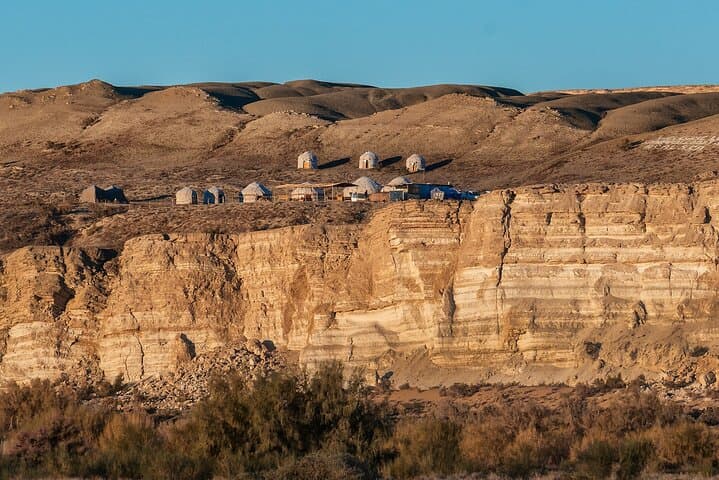
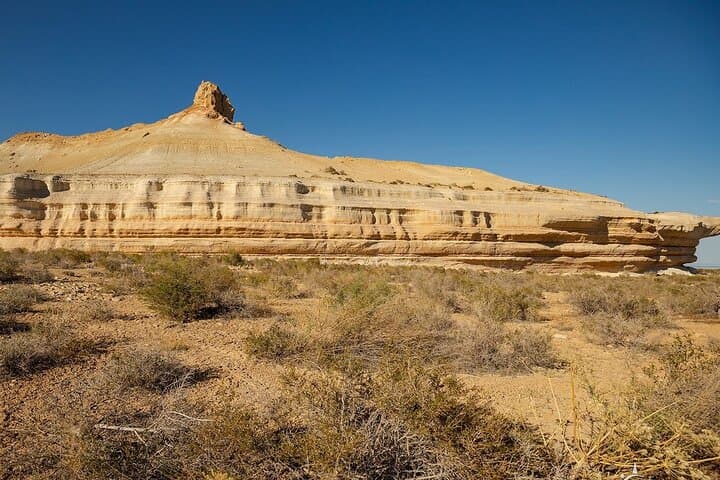
The route crosses the Ustyurt Plateau, a high, limestone tableland whose canyons and escarpments were carved by an earlier sea and now expose layers of salt, clay, and fossil-rich strata. At Moynaq, the Aral Sea Museum and the Ship Graveyard tell a recent human story: massive Soviet-era irrigation projects drained inland waters, collapsing local fisheries and reshaping livelihoods. Cultural traces persist—the Karakalpak yurt camp where you stay, simple meals served by hosts who maintain traditions tied to a lost coastline.
On day two, the landscape turns inward: ancient burial mounds of Mizdakhan and the circular Chilpik dakhma offer a rare look at pre-Islamic rites and Silk Road-era settlements perched on windswept hills.
Practical guidance: this is a moderate, vehicle-supported overnight. Expect dusty tracks, exposed sun, and cold nights; bring layered clothing, at least 2 liters of water per person, cash, and a headlamp. Swimming in the salt fringe is optional but bring a rinse. The trip rewards curiosity—photo stops, short canyon walks, and a night under felt in a yurt that places you close to sky and story.
moderate.
2 days.
Comfortable walking ability and stamina for short walks on uneven desert terrain; able to tolerate bumpy 4x4 rides
The yurt camp is remote with basic facilities: shared wash areas and a simple fresh-water rinse; expect rustic comforts rather than hotel-level services.
A salty fringe remains in places; swimming is optional but water is very saline and can irritate eyes—follow host guidance and rinse afterward.
The tour notes advise against pregnancy and recommends moderate fitness; children can attend but consider the long drives and limited facilities.
Uzbek and Karakalpak are common; Russian is also widely understood. Small cash tips to drivers and camp hosts are appreciated and best given in som.
The Aral Sea’s rapid shrinkage in the late 20th century resulted from Soviet irrigation programs that diverted inflow rivers, collapsing a once-thriving fishing economy and reshaping local communities.
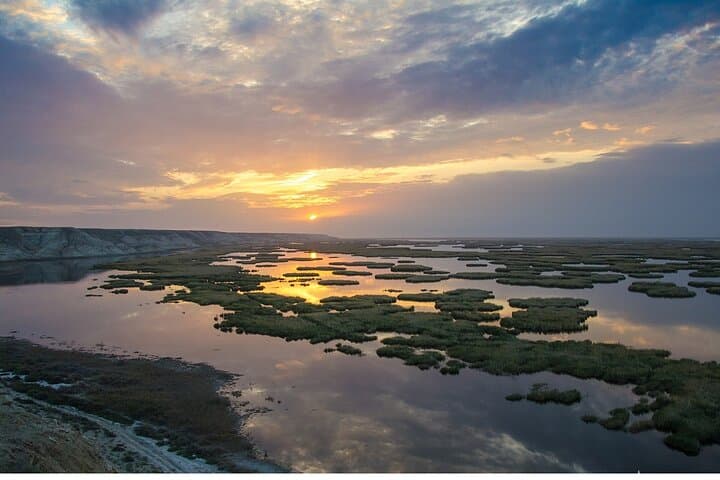
Local efforts focus on protecting remaining wetlands and raising awareness about sustainable water use; visitors can support local communities by using licensed tours and leaving no trace.
Amu Transport operates guided outdoor trips and adventures with an emphasis on safety, stewardship, and memorable experiences.
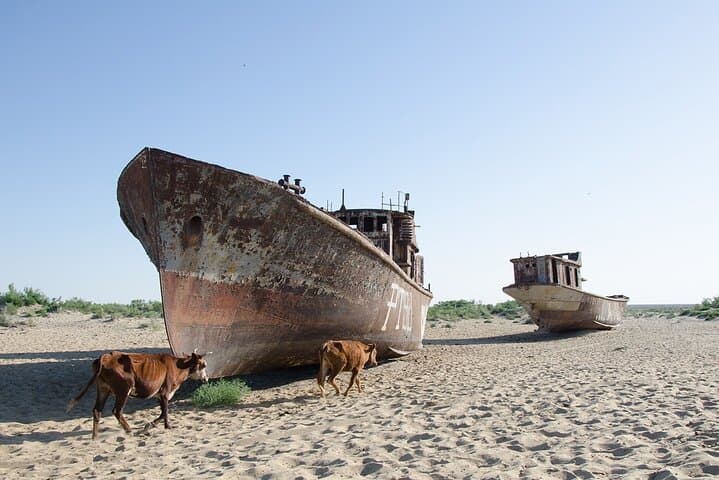
You step out before dawn, the mud-brick walls of Khiva receding as the 4x4 rumbles toward a horizon scored by chalk cliffs. Wind is the constant here; it shapes the dunes and teases rust from the hulks at the Ship Cemetery—metal skeletons stranded on a cracked seabed that once teemed with sturgeon and fishing boats.
You step out before dawn, the mud-brick walls of Khiva receding as the 4x4 rumbles toward a horizon scored by chalk cliffs. Wind is the constant here; it shapes the dunes and teases rust from the hulks at the Ship Cemetery—metal skeletons stranded on a cracked seabed that once teemed with sturgeon and fishing boats.
The route crosses the Ustyurt Plateau, a high, limestone tableland whose canyons and escarpments were carved by an earlier sea and now expose layers of salt, clay, and fossil-rich strata. At Moynaq, the Aral Sea Museum and the Ship Graveyard tell a recent human story: massive Soviet-era irrigation projects drained inland waters, collapsing local fisheries and reshaping livelihoods. Cultural traces persist—the Karakalpak yurt camp where you stay, simple meals served by hosts who maintain traditions tied to a lost coastline.
On day two, the landscape turns inward: ancient burial mounds of Mizdakhan and the circular Chilpik dakhma offer a rare look at pre-Islamic rites and Silk Road-era settlements perched on windswept hills.
Practical guidance: this is a moderate, vehicle-supported overnight. Expect dusty tracks, exposed sun, and cold nights; bring layered clothing, at least 2 liters of water per person, cash, and a headlamp. Swimming in the salt fringe is optional but bring a rinse. The trip rewards curiosity—photo stops, short canyon walks, and a night under felt in a yurt that places you close to sky and story.