THE ADVENTURE COLLECTIVE® · Independent discovery and booking for outdoor travel

Follow the Parvati River from Kasol to a high alpine plateau where steaming pools and a small Shiva temple await. This 2–3 day trek combines river valleys, rocky switchbacks and a serene camp night under clear Himalayan skies.
Follow the Parvati River from Kasol to a high alpine plateau where steaming pools and a small Shiva temple await. This 2–3 day trek combines river valleys, rocky switchbacks and a serene camp night under clear Himalayan skies.
Morning light slices through a stand of Deodar and pine as you step out of Barshaini and follow the Parvati River upstream. The river dares you forward; the trail answers with switchbacks, stone steps and herb-scented meadows. By late afternoon the slope eases and a steaming bathing tank waits at Kheerganga — a hot spring that has drawn pilgrims and trekkers for generations.
Verified experiences and guided adventures in the surrounding area.
Operated by Dare2Gear · Kasol, Himachal Pradesh
Morning light slices through a stand of Deodar and pine as you step out of Barshaini and follow the Parvati River upstream. The river dares you forward; the trail answers with switchbacks, stone steps and herb-scented meadows. By late afternoon the slope eases and a steaming bathing tank waits at Kheerganga — a hot spring that has drawn pilgrims and trekkers for generations.
The route sits at the extreme end of Parvati Valley. Geologically, you move from river-carved terraces into glacially polished rock and alpine scrub before reaching the broad grassy plateau around 2,950 m. Locally the site is sacred: a small Shiva temple and the hot spring are woven into stories of meditation and healing. Kashmiri and Himachali influences shape food, music and campsite culture in nearby Kasol and Manikaran.
Practical guidance: plan three days — Kasol to Barshaini by road, a 10–12 km uphill trek to Kheerganga (roughly 1,000–1,300 m cumulative gain depending on your start) and a return day. Trail surfaces alternate packed dirt, rocky steps and occasional boulder fields; expect afternoon cloud build and cooler nights.
Pack a warm sleeping bag, waterproof layers and sturdy boots; hydrate and pace the ascent to limit altitude discomfort. Respect the hot spring: avoid soaps and stay on designated paths to protect fragile alpine meadows. Campsites offer clear night skies — bring a headlamp and a sense of patience for the slow, steady rhythm of mountain travel.
moderate.
2–3 days.
Moderate cardio and leg strength—regular hikers or those who train with hill repeats will be comfortable.
One-way distance is approximately 10–12 km depending on the route; allow 4–6 hours for the ascent at a steady pace.
No special permits are typically required for the Kheerganga trail itself, but check local regulations during peak season or for certain organized groups.
The hot spring is a traditional bathing spot; avoid using soap and follow local guidance—water temperatures can be high and uneven around the pool edges.
Late spring through early autumn (May–October) offers the most reliable trail conditions; monsoon brings leeches and muddy sections, while winter routes can be snowbound and technical.
Locals connect Kheerganga to Shiva lore; the site has been a pilgrimage destination for centuries and features a small Shiva temple beside the hot spring.
Trail erosion and campsite waste are the main concerns—use established campsites, pack out trash and avoid contaminating springs to help preserve fragile alpine meadows.
Dare2Gear operates guided outdoor trips and adventures with an emphasis on safety, stewardship, and memorable experiences.
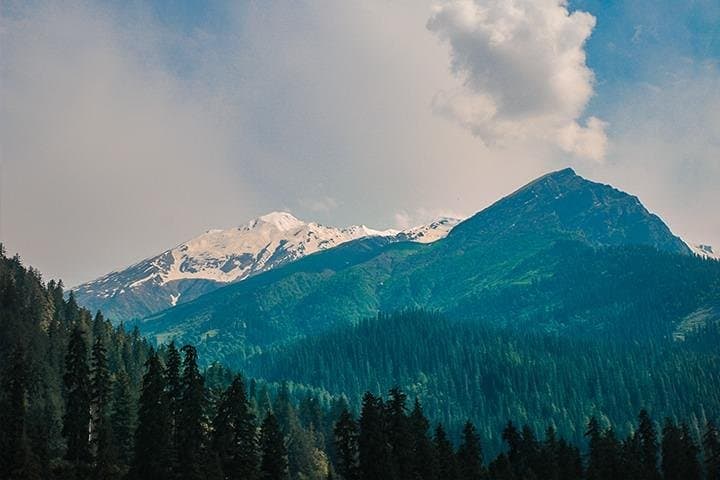
Morning light slices through a stand of Deodar and pine as you step out of Barshaini and follow the Parvati River upstream. The river dares you forward; the trail answers with switchbacks, stone steps and herb-scented meadows. By late afternoon the slope eases and a steaming bathing tank waits at Kheerganga — a hot spring that has drawn pilgrims and trekkers for generations.
Morning light slices through a stand of Deodar and pine as you step out of Barshaini and follow the Parvati River upstream. The river dares you forward; the trail answers with switchbacks, stone steps and herb-scented meadows. By late afternoon the slope eases and a steaming bathing tank waits at Kheerganga — a hot spring that has drawn pilgrims and trekkers for generations.
The route sits at the extreme end of Parvati Valley. Geologically, you move from river-carved terraces into glacially polished rock and alpine scrub before reaching the broad grassy plateau around 2,950 m. Locally the site is sacred: a small Shiva temple and the hot spring are woven into stories of meditation and healing. Kashmiri and Himachali influences shape food, music and campsite culture in nearby Kasol and Manikaran.
Practical guidance: plan three days — Kasol to Barshaini by road, a 10–12 km uphill trek to Kheerganga (roughly 1,000–1,300 m cumulative gain depending on your start) and a return day. Trail surfaces alternate packed dirt, rocky steps and occasional boulder fields; expect afternoon cloud build and cooler nights.
Pack a warm sleeping bag, waterproof layers and sturdy boots; hydrate and pace the ascent to limit altitude discomfort. Respect the hot spring: avoid soaps and stay on designated paths to protect fragile alpine meadows. Campsites offer clear night skies — bring a headlamp and a sense of patience for the slow, steady rhythm of mountain travel.