THE ADVENTURE COLLECTIVE® · Independent discovery and booking for outdoor travel

Drive from Leh to Khardung La, one of the world’s highest motorable passes at 5,602 m. This full-day excursion delivers stark high-altitude panoramas, cultural roadside stops, and a quick immersion in Ladakh’s wind-carved landscape.
Drive from Leh to Khardung La, one of the world’s highest motorable passes at 5,602 m. This full-day excursion delivers stark high-altitude panoramas, cultural roadside stops, and a quick immersion in Ladakh’s wind-carved landscape.
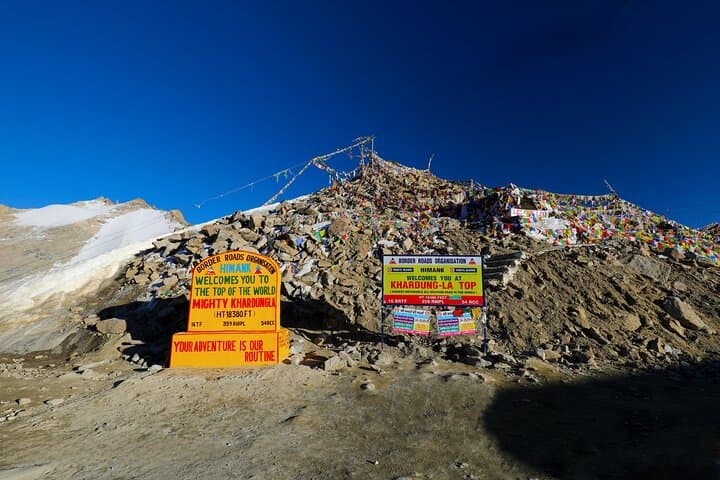
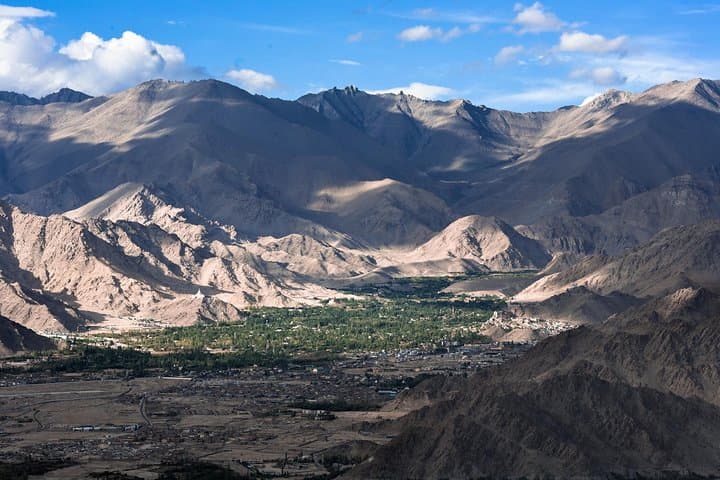
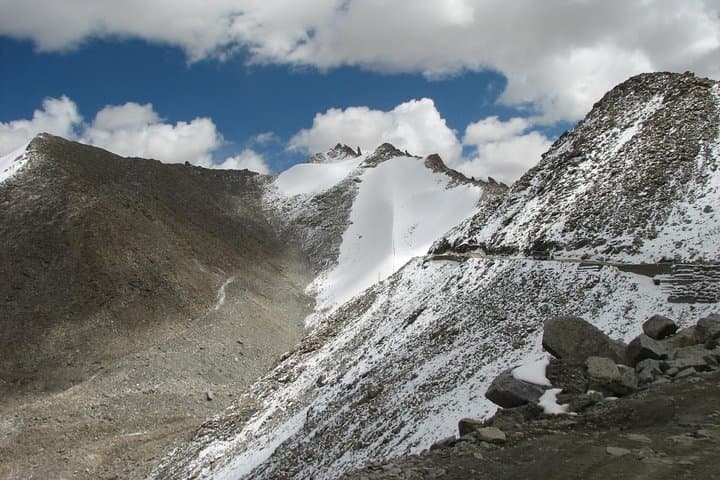
The road rises out of Leh like a rough ribbon, gravel crunching under wheels as the town shrinks and the air thins. Within an hour the vegetation gives way to scree and wind-scoured ridges; by the time the pass signs come into view the world has narrowed to sky, stone and a horizon of jagged Himalayan summits.
Verified experiences and guided adventures in the surrounding area.
Operated by Agora Voyages Pvt. Ltd. · Leh, Ladakh
The road rises out of Leh like a rough ribbon, gravel crunching under wheels as the town shrinks and the air thins. Within an hour the vegetation gives way to scree and wind-scoured ridges; by the time the pass signs come into view the world has narrowed to sky, stone and a horizon of jagged Himalayan summits.
Khardung La sits at 5,602 m (18,380 ft) and has long been a strategic gateway between Leh and the Nubra Valley — historically a caravan route on the salt-trading axis — now dominated by military checkposts and tourist snapshots. Geologically the pass is carved from uplifted sedimentary layers, with loose talus slopes and occasional patches of permafrost; the ride alternates paved stretches with high-altitude gravel that tests shocks and nerves alike. Local culture is visible in roadside prayer flags and small gompas; drivers, guides and army personnel are accustomed to visitors but the landscape demands respect.
Practical guidance: expect a 7–8 hour round trip from Leh, much of it in a private vehicle with short stops for photos and a lunch break at a dhaba. Altitude sickness is the main hazard — acclimatize in Leh for 48–72 hours, keep activity light, hydrate, and carry basic medications. Dress in layers: wind and sun can arrive in the same minute, and temperatures fall sharply once you stop.
Permit and ID checks are routine; bring the original passport if the tour operator applies for the Inner Line Permit. Time your visit for late spring to early autumn for the most reliable road access, and leave no trace — the high-altitude ecosystem takes years to recover.
moderate.
7–8 hours.
Moderate aerobic fitness is sufficient since travel is by vehicle, but you must tolerate short walks at high altitude and potential breathlessness.
Yes — an Inner Line Permit is required; most operators will apply on your behalf but they usually need your passport or ID in advance.
Yes — the pass is over 5,600 m; acclimatization in Leh for 2–3 days and gradual exertion reduce risk, and descending if symptoms worsen is essential.
The main route has a mix of paved and gravel sections; conditions vary with season and maintenance, so expect rough stretches and some dust.
Late May through September offers the most reliable access and milder conditions; avoid winter unless you have military clearance and winter experience.
Khardung La was historically a caravan route linking Leh with the Nubra Valley and beyond; today it combines civilian and strategic military uses.
The high-altitude environment is fragile — dispose of waste properly, limit idling and respect local grazing areas to reduce long-term impacts.
Agora Voyages Pvt. Ltd. operates guided outdoor trips and adventures with an emphasis on safety, stewardship, and memorable experiences.

The road rises out of Leh like a rough ribbon, gravel crunching under wheels as the town shrinks and the air thins. Within an hour the vegetation gives way to scree and wind-scoured ridges; by the time the pass signs come into view the world has narrowed to sky, stone and a horizon of jagged Himalayan summits.
The road rises out of Leh like a rough ribbon, gravel crunching under wheels as the town shrinks and the air thins. Within an hour the vegetation gives way to scree and wind-scoured ridges; by the time the pass signs come into view the world has narrowed to sky, stone and a horizon of jagged Himalayan summits.
Khardung La sits at 5,602 m (18,380 ft) and has long been a strategic gateway between Leh and the Nubra Valley — historically a caravan route on the salt-trading axis — now dominated by military checkposts and tourist snapshots. Geologically the pass is carved from uplifted sedimentary layers, with loose talus slopes and occasional patches of permafrost; the ride alternates paved stretches with high-altitude gravel that tests shocks and nerves alike. Local culture is visible in roadside prayer flags and small gompas; drivers, guides and army personnel are accustomed to visitors but the landscape demands respect.
Practical guidance: expect a 7–8 hour round trip from Leh, much of it in a private vehicle with short stops for photos and a lunch break at a dhaba. Altitude sickness is the main hazard — acclimatize in Leh for 48–72 hours, keep activity light, hydrate, and carry basic medications. Dress in layers: wind and sun can arrive in the same minute, and temperatures fall sharply once you stop.
Permit and ID checks are routine; bring the original passport if the tour operator applies for the Inner Line Permit. Time your visit for late spring to early autumn for the most reliable road access, and leave no trace — the high-altitude ecosystem takes years to recover.