THE ADVENTURE COLLECTIVE® · Independent discovery and booking for outdoor travel

Spend a half-day in Phang Nga observing rescued elephants and learning mahout techniques, making herbal snack balls, and visiting a nearby waterfall. This responsible experience prioritizes animal welfare—guests prepare food and observe the mahouts rather than feed or bathe the elephants.
Spend a half-day in Phang Nga observing rescued elephants and learning mahout techniques, making herbal snack balls, and visiting a nearby waterfall. This responsible experience prioritizes animal welfare—guests prepare food and observe the mahouts rather than feed or bathe the elephants.
The day begins on a humid Khao Lak morning: a minivan slides away from shore-side hotels and into a landscape of palm groves and low rainforest. At the sanctuary the air smells of earth and herbs, and the elephants move with deliberate curiosity—trunks testing the air as if inviting you to learn their language.
Verified experiences and guided adventures in the surrounding area.
Operated by MY Holiday Centre · Khao Lak, Phang Nga
The day begins on a humid Khao Lak morning: a minivan slides away from shore-side hotels and into a landscape of palm groves and low rainforest. At the sanctuary the air smells of earth and herbs, and the elephants move with deliberate curiosity—trunks testing the air as if inviting you to learn their language.
This region of Phang Nga sits on limestone bedrock carved by seasonal rivers; the nearby waterfalls you visit are part of the same drainage that shaped the coastline. Elephant-keeping here ties into southern Thai culture and the mahout tradition—hands-on care passed down through generations, blending practical skill with deep animal knowledge.
The itinerary balances observation with participation: a short mahout briefing, changing into a mahout shirt, a market visit to source produce, and a hands-on session making herbal vitamin snack balls that the keepers share with the elephants. Note: guests prepare food and watch the animals eat; direct feeding or bathing is not permitted to protect welfare.
After a buffet lunch at the camp, the tour typically includes a brief visit to a nearby waterfall or stream—an opportunity to feel the current and cool off before a hotel drop-off.
Practical guidance: expect 4–5 hours on fairly flat, sometimes muddy paths; wear quick-dry clothes and closed-toe shoes you don’t mind getting dirty. Bring sun protection and insect repellent, and plan travel in the dry season (November–April) for easier access to trails and clear water at the falls. The sanctuary emphasizes respectful observation—keep noise low, follow mahout directions, and leave no trace.
easy.
4–5 hours.
Suitable for most fitness levels; requires short walks on uneven ground and standing during brief interactions
Interaction is supervised; mahouts will allow close observation and guided, gentle contact only when an elephant is comfortable—do not attempt to touch an elephant unprompted.
Yes—hotel pickup and drop-off in Khao Lak are included; exact pickup times are provided after booking.
Families can participate but check age or height restrictions with the operator; all guests must follow safety briefings.
No—feeding and bathing by guests are not permitted to prioritize elephant welfare; you will prepare food and observe the mahouts feed them.
Elephant care in southern Thailand combines local cultural traditions with modern rescue and welfare practices; sanctuaries here often evolved from private camps into conservation-focused centers.
The sanctuary emphasizes non-exploitative encounters—no bathing or forced performances—and supports elephant welfare through ethical handling, local community engagement, and responsible tourism policies.
MY Holiday Centre operates guided outdoor trips and adventures with an emphasis on safety, stewardship, and memorable experiences.
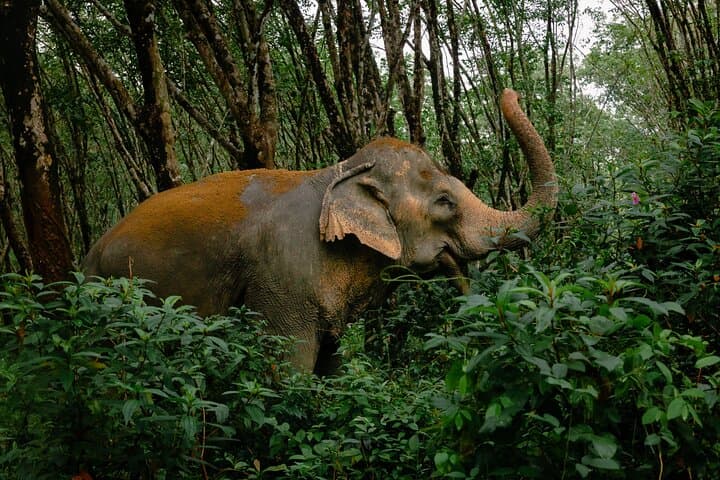
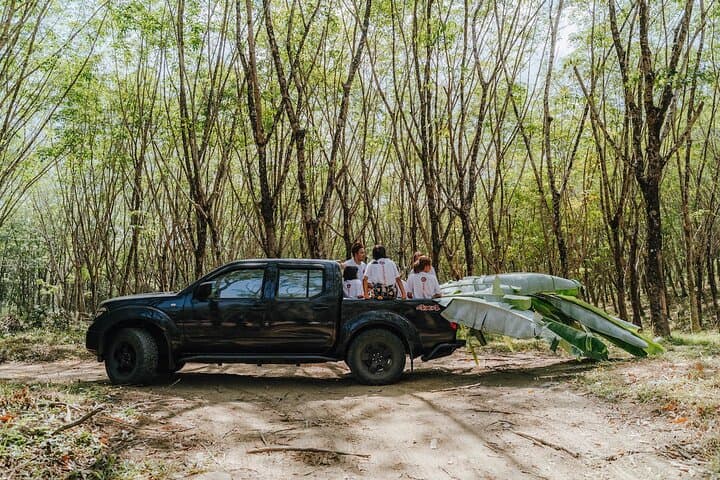
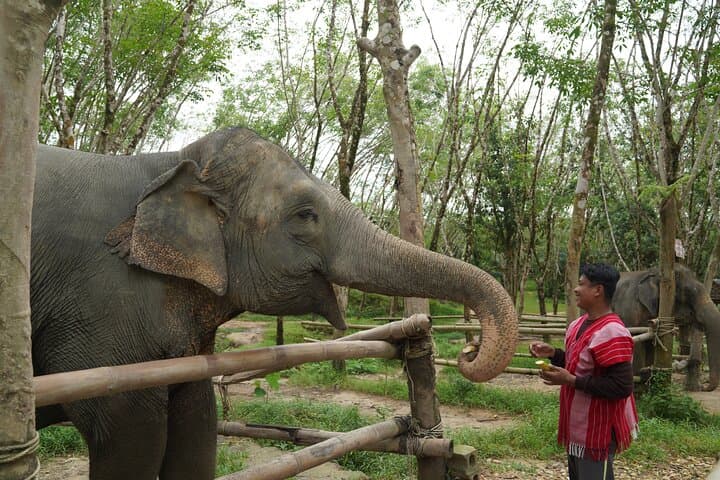
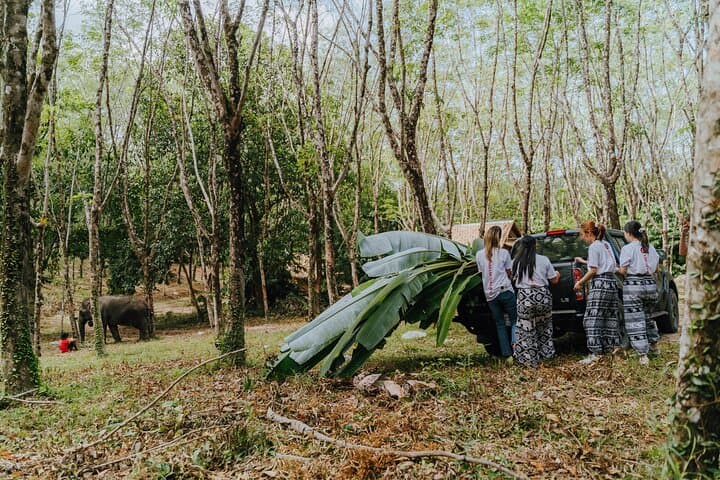
The day begins on a humid Khao Lak morning: a minivan slides away from shore-side hotels and into a landscape of palm groves and low rainforest. At the sanctuary the air smells of earth and herbs, and the elephants move with deliberate curiosity—trunks testing the air as if inviting you to learn their language.
The day begins on a humid Khao Lak morning: a minivan slides away from shore-side hotels and into a landscape of palm groves and low rainforest. At the sanctuary the air smells of earth and herbs, and the elephants move with deliberate curiosity—trunks testing the air as if inviting you to learn their language.
This region of Phang Nga sits on limestone bedrock carved by seasonal rivers; the nearby waterfalls you visit are part of the same drainage that shaped the coastline. Elephant-keeping here ties into southern Thai culture and the mahout tradition—hands-on care passed down through generations, blending practical skill with deep animal knowledge.
The itinerary balances observation with participation: a short mahout briefing, changing into a mahout shirt, a market visit to source produce, and a hands-on session making herbal vitamin snack balls that the keepers share with the elephants. Note: guests prepare food and watch the animals eat; direct feeding or bathing is not permitted to protect welfare.
After a buffet lunch at the camp, the tour typically includes a brief visit to a nearby waterfall or stream—an opportunity to feel the current and cool off before a hotel drop-off.
Practical guidance: expect 4–5 hours on fairly flat, sometimes muddy paths; wear quick-dry clothes and closed-toe shoes you don’t mind getting dirty. Bring sun protection and insect repellent, and plan travel in the dry season (November–April) for easier access to trails and clear water at the falls. The sanctuary emphasizes respectful observation—keep noise low, follow mahout directions, and leave no trace.