THE ADVENTURE COLLECTIVE® · Independent discovery and booking for outdoor travel

Spend a full day with a veteran local guide exploring Khao Yai’s grasslands, waterfalls and wildlife. This practical safari balances vehicle-based animal watching with a short forest hike and waterfall visits, finishing at Pak Chong’s night market.
Spend a full day with a veteran local guide exploring Khao Yai’s grasslands, waterfalls and wildlife. This practical safari balances vehicle-based animal watching with a short forest hike and waterfall visits, finishing at Pak Chong’s night market.
A humid dawn lifts off the road into Khao Yai and the forest exhales — birds trade calls above a ribbon of mist, and the first hornbills test the daylight. On Mr Nong’s full-day route, the rhythm alternates between slow, patient vehicle watching at grasslands and a short stepped hike where the forest crowd thins and waterfalls appear with sudden force.
Verified experiences and guided adventures in the surrounding area.
Operated by Chachirt · Pak Chong, Nakhon Ratchasima
A humid dawn lifts off the road into Khao Yai and the forest exhales — birds trade calls above a ribbon of mist, and the first hornbills test the daylight. On Mr Nong’s full-day route, the rhythm alternates between slow, patient vehicle watching at grasslands and a short stepped hike where the forest crowd thins and waterfalls appear with sudden force.
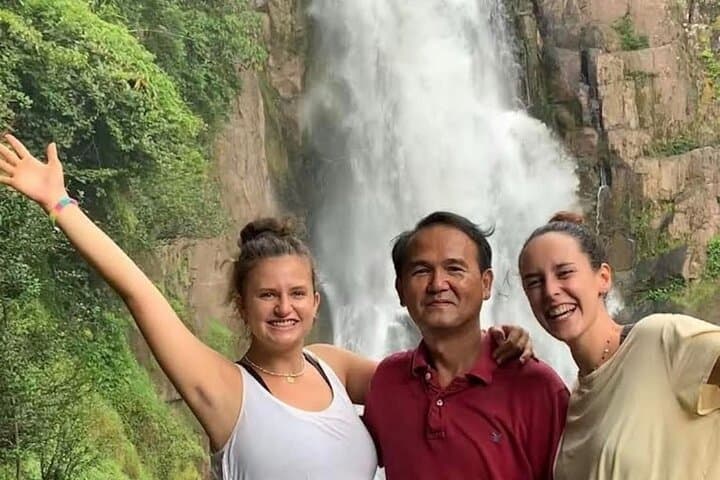
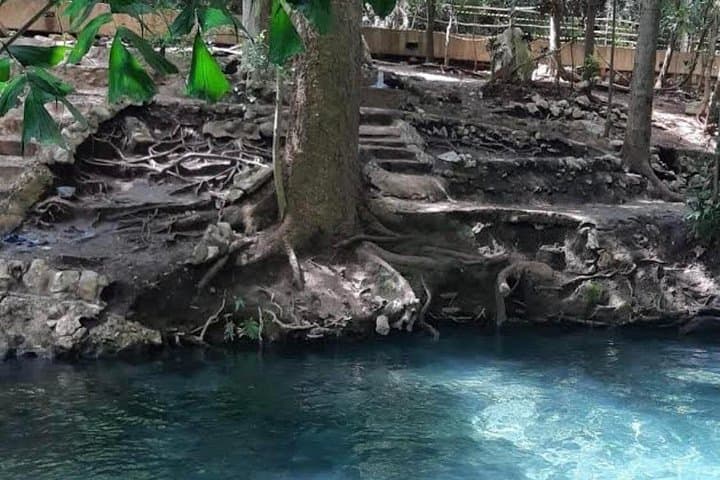
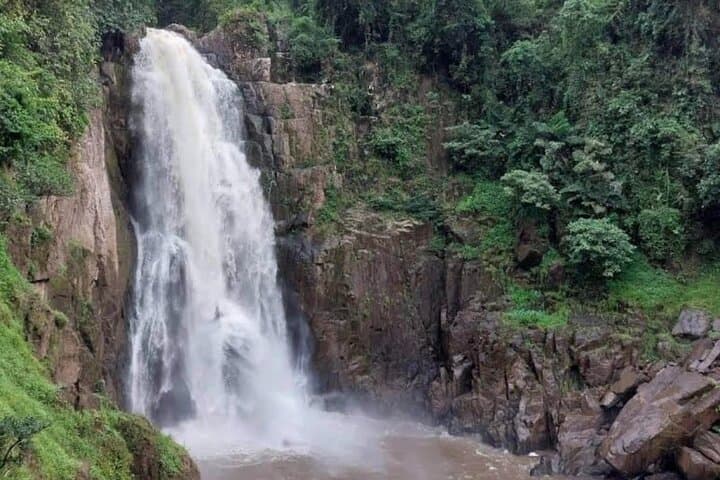
Khao Yai is one of Thailand’s earliest national parks and part of the Dong Phayayen–Khao Yai UNESCO forest complex. The park’s slopes are carved from sandstone and laterite of the Sankamphaeng Range, feeding perennial streams that sculpt falls like Haew Suwat and Haew Narot. Local communities around Pak Chong have long relied on these landscapes; generations of guides here read animal tracks as easily as maps.
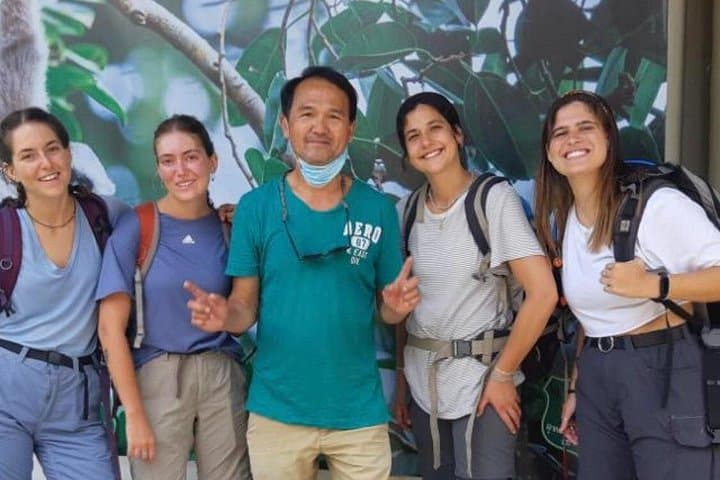
Expect a pragmatic day: early roadside wildlife viewing for elephants, macaques, gibbons and hornbills; a guided 3.5 km forest walk around viewpoints; lunch and waterfall stops; and an evening drop at the bustling Pak Chong night market. Mr Nong’s tour typically includes vehicle transport, bottled water, lunch and basic insurance, plus wildlife photos taken by the guide.
Practical pointers: wear sturdy, quick-drying shoes for slippery trails, carry insect repellent and at least 2 liters of water, and keep noise low near grasslands. Respect park rules — no feeding wildlife and maintain distance from elephants. Plan for variable weather; the forest can shift from steady sun to heavy rain within an hour, and mobile signal is intermittent in deeper park sections.
moderate.
10–11 hours.
Moderate fitness: comfortable walking 3.5 km on uneven terrain and tolerating a full day outdoors.
The guided hike is about 3.5 km, typically over uneven forest trails and short climbs, lasting around an hour to 90 minutes depending on stops.
Elephants are often spotted in grasslands and along forest edges, but sightings are not guaranteed—wildlife is unpredictable and sightings depend on season and timing.
The tour notes admission is included for some waterfall stops; confirm with the operator whether all park entrance fees are covered at booking.
The tour is listed as physically easy overall but includes vehicle-based viewing and a moderate walk; infants must sit on laps and those with mobility issues should check accessibility with the guide.
Khao Yai was designated as one of Thailand’s earliest national parks and later became part of the Dong Phayayen–Khao Yai Forest Complex UNESCO World Heritage site.
The park balances tourism with protection of wide-ranging species; follow park rules, avoid feeding wildlife and support local guides who practice low-impact viewing.
Chachirt operates guided outdoor trips and adventures with an emphasis on safety, stewardship, and memorable experiences.
A humid dawn lifts off the road into Khao Yai and the forest exhales — birds trade calls above a ribbon of mist, and the first hornbills test the daylight. On Mr Nong’s full-day route, the rhythm alternates between slow, patient vehicle watching at grasslands and a short stepped hike where the forest crowd thins and waterfalls appear with sudden force.
A humid dawn lifts off the road into Khao Yai and the forest exhales — birds trade calls above a ribbon of mist, and the first hornbills test the daylight. On Mr Nong’s full-day route, the rhythm alternates between slow, patient vehicle watching at grasslands and a short stepped hike where the forest crowd thins and waterfalls appear with sudden force.
Khao Yai is one of Thailand’s earliest national parks and part of the Dong Phayayen–Khao Yai UNESCO forest complex. The park’s slopes are carved from sandstone and laterite of the Sankamphaeng Range, feeding perennial streams that sculpt falls like Haew Suwat and Haew Narot. Local communities around Pak Chong have long relied on these landscapes; generations of guides here read animal tracks as easily as maps.
Expect a pragmatic day: early roadside wildlife viewing for elephants, macaques, gibbons and hornbills; a guided 3.5 km forest walk around viewpoints; lunch and waterfall stops; and an evening drop at the bustling Pak Chong night market. Mr Nong’s tour typically includes vehicle transport, bottled water, lunch and basic insurance, plus wildlife photos taken by the guide.
Practical pointers: wear sturdy, quick-drying shoes for slippery trails, carry insect repellent and at least 2 liters of water, and keep noise low near grasslands. Respect park rules — no feeding wildlife and maintain distance from elephants. Plan for variable weather; the forest can shift from steady sun to heavy rain within an hour, and mobile signal is intermittent in deeper park sections.