THE ADVENTURE COLLECTIVE® · Independent discovery and booking for outdoor travel

Spend a half-day learning traditional herbal medicine and observing rescued Asian elephants in Khao Lak. This ethical sanctuary visit pairs a hands-on herbal vitamin-ball workshop with guided observation—no riding, feeding, or bathing—focused on welfare and local culture.
Spend a half-day learning traditional herbal medicine and observing rescued Asian elephants in Khao Lak. This ethical sanctuary visit pairs a hands-on herbal vitamin-ball workshop with guided observation—no riding, feeding, or bathing—focused on welfare and local culture.
A low morning sun filters through rubber trees as a small minivan eases off the coastal road and into the sanctuary’s dirt track. The air smells of wet earth and crushed grass; distant calls and the slow percussion of elephants moving through leaf litter set the tempo. Visitors step down into a place where the animals decide the agenda—approach, browse, or withdraw—and guides interpret those choices with steady calm.
Verified experiences and guided adventures in the surrounding area.
Operated by Khaolak Elephant Sanctuary · Khao Lak, Phang Nga Province
A low morning sun filters through rubber trees as a small minivan eases off the coastal road and into the sanctuary’s dirt track. The air smells of wet earth and crushed grass; distant calls and the slow percussion of elephants moving through leaf litter set the tempo. Visitors step down into a place where the animals decide the agenda—approach, browse, or withdraw—and guides interpret those choices with steady calm.
The program combines a hands-on herbal vitamin-ball workshop rooted in local folk medicine with a measured wildlife encounter. Khao Lak sits on a patchwork of coastal plains and low hills in Phang Nga; the rubber industry and smallholder farms shaped both landscape and livelihoods for a century. Geologically the area is coastal limestone and alluvial soil, which feeds dense secondary forest pockets the sanctuary maintains as browsing habitat.
Culturally, the visit connects to Thai herbal traditions and community-based care for rescued elephants; historically many animals here arrived from logging or tourist-riding situations and were retired into protected facilities.
Practical guidance: the scheduled activity runs about 3.5 hours on-site (allow extra for transfers—15–30 minutes from Khao Lak, up to 2 hours from Phuket). Wear closed-toe shoes that can get muddy, bring sun protection and insect repellent, and keep expectations realistic—no riding, feeding, or bathing is permitted. Hydrate before arriving and follow guides’ direction: the animals’ comfort determines the pace. This half-day tour is accessible, educational, and structured around ethical observation rather than performance.
easy.
3–5 hours (3.5 hours on-site; allow extra for transfers).
Suitable for most fitness levels; requires short walks on uneven ground and standing during workshops
No—feeding and bathing are not permitted; interactions are limited to observation and guided activities chosen by the animals’ comfort.
Yes—hotel transfers are included; pickup from Khao Lak typically takes 15–30 minutes while pickups from Phuket can take up to 2 hours.
The tour is family-friendly and infant seats are available, but check age limits with the operator and follow all safety guidance.
Full refunds are available if you cancel at least 24 hours before departure; bad weather may also cause cancellations.
The Khao Lak region shifted from subsistence agriculture to rubber and tourism over the 20th century; many sanctuary practices draw on local herbal medicine and community stewardship.
The sanctuary emphasizes non-exploitative, observation-based tourism and rehabilitation; supporting the site helps fund care, habitat maintenance, and education programs.
Khaolak Elephant Sanctuary operates guided outdoor trips and adventures with an emphasis on safety, stewardship, and memorable experiences.
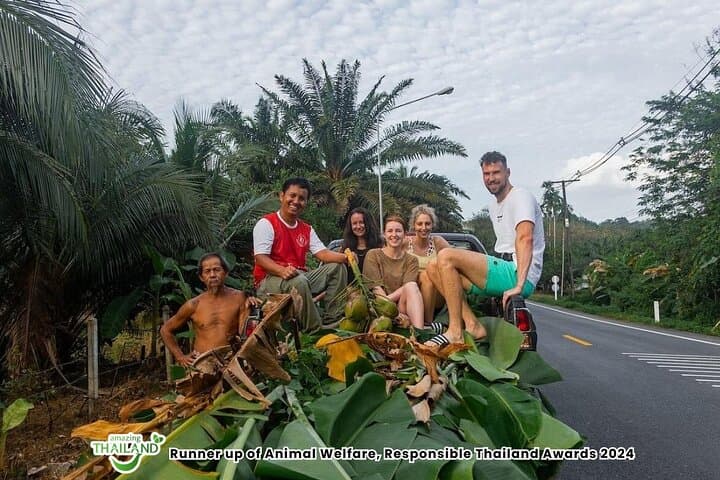
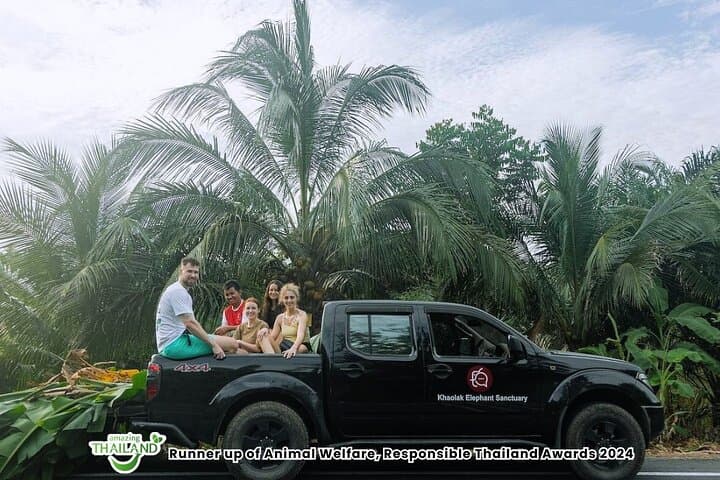
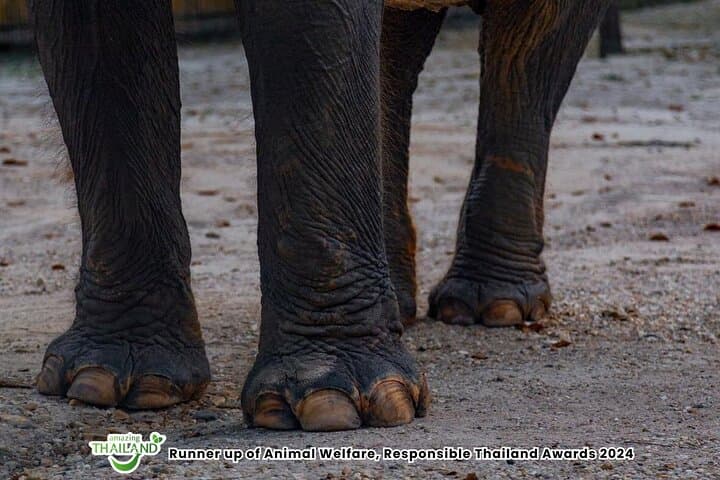
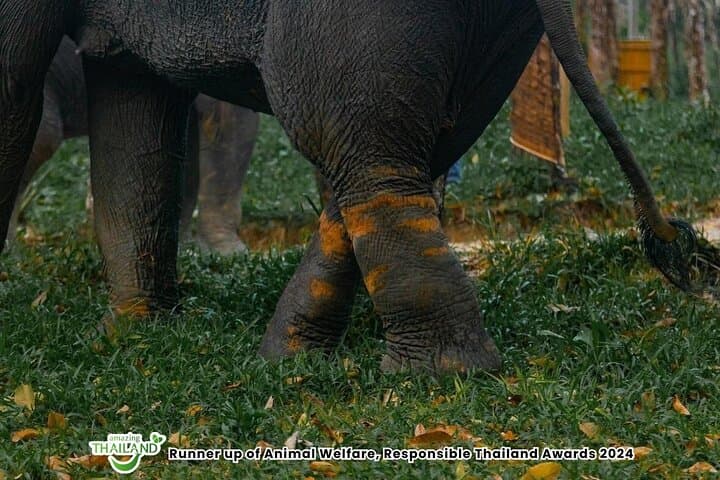
A low morning sun filters through rubber trees as a small minivan eases off the coastal road and into the sanctuary’s dirt track. The air smells of wet earth and crushed grass; distant calls and the slow percussion of elephants moving through leaf litter set the tempo. Visitors step down into a place where the animals decide the agenda—approach, browse, or withdraw—and guides interpret those choices with steady calm.
A low morning sun filters through rubber trees as a small minivan eases off the coastal road and into the sanctuary’s dirt track. The air smells of wet earth and crushed grass; distant calls and the slow percussion of elephants moving through leaf litter set the tempo. Visitors step down into a place where the animals decide the agenda—approach, browse, or withdraw—and guides interpret those choices with steady calm.
The program combines a hands-on herbal vitamin-ball workshop rooted in local folk medicine with a measured wildlife encounter. Khao Lak sits on a patchwork of coastal plains and low hills in Phang Nga; the rubber industry and smallholder farms shaped both landscape and livelihoods for a century. Geologically the area is coastal limestone and alluvial soil, which feeds dense secondary forest pockets the sanctuary maintains as browsing habitat.
Culturally, the visit connects to Thai herbal traditions and community-based care for rescued elephants; historically many animals here arrived from logging or tourist-riding situations and were retired into protected facilities.
Practical guidance: the scheduled activity runs about 3.5 hours on-site (allow extra for transfers—15–30 minutes from Khao Lak, up to 2 hours from Phuket). Wear closed-toe shoes that can get muddy, bring sun protection and insect repellent, and keep expectations realistic—no riding, feeding, or bathing is permitted. Hydrate before arriving and follow guides’ direction: the animals’ comfort determines the pace. This half-day tour is accessible, educational, and structured around ethical observation rather than performance.