THE ADVENTURE COLLECTIVE® · Independent discovery and booking for outdoor travel

Spend an hour observing rescued elephants near Khao Lak—watch feeding and bathing from respectful distances with a guided introduction to their care and behavior. This short, supervised visit emphasizes animal choice and conservation over spectacle.
Spend an hour observing rescued elephants near Khao Lak—watch feeding and bathing from respectful distances with a guided introduction to their care and behavior. This short, supervised visit emphasizes animal choice and conservation over spectacle.
The morning air at the sanctuary smells of wet earth and banana leaves; trunks sweep the air like slow, curious hands while mahouts move quietly at the edge of a clearing. Visitors arrive by short transfer from Khao Lak hotels, step into a shaded camp, and watch elephants—some rescued from logging and tourism—eat, wander and bathe with no forced tricks. The hour unfolds as a study in scale: the weight of a footfall, the dexterous reach of a trunk, the splash of a riverbed sent playfully downstream.
Verified experiences and guided adventures in the surrounding area.
Operated by MY Holiday Centre · Khao Lak, Phang Nga
The morning air at the sanctuary smells of wet earth and banana leaves; trunks sweep the air like slow, curious hands while mahouts move quietly at the edge of a clearing. Visitors arrive by short transfer from Khao Lak hotels, step into a shaded camp, and watch elephants—some rescued from logging and tourism—eat, wander and bathe with no forced tricks. The hour unfolds as a study in scale: the weight of a footfall, the dexterous reach of a trunk, the splash of a riverbed sent playfully downstream.
Phang Nga’s coastline is limestone and rainforest—karst outcrops remind you the land was sculpted by water and time. Elephants are tied to local history here, once central to teak logging and today part of ethical rescue and retirement efforts across southern Thailand. Local guides add cultural context: names of keepers, the rhythms of care, and the sanctuary’s decision to prioritize animal choice over spectacle.
Practical notes: the tour lasts roughly 60 minutes and includes a short orientation, supervised feeding observation, and photo opportunities from safe distances. Expect uneven dirt and grass surfaces, possible mud near water, and close, slow animal movement rather than staged performances. Arrive with sun protection, a refillable water bottle, closed-toe shoes, and a camera with a respectful zoom.
Mind the animals’ agency—if an elephant opts out of an activity the experience adapts. This is a viewing and learning visit: ethical, compact, and suited to travelers who want direct, low-impact encounters with Thailand’s iconic wildlife.
easy.
1 hour.
Suitable for most fitness levels; involves short periods of standing and walking on uneven ground.
No—this tour is observational and the sanctuary emphasizes animal welfare; interactions are limited to supervised feeding and watching natural behaviors.
Hotel transfer is offered if selected at booking; confirm pickup point and time when you reserve the tour.
Yes—tours are family-friendly, but follow guide instructions and consider supervision for very young children near large animals.
If an elephant opts out of an activity, guides adapt the program; refunds are not provided for animal-driven changes, reflecting the sanctuary’s commitment to animal choice.
Elephants in southern Thailand were historically used in logging; many sanctuaries now focus on rescue and retirement after tourism and industry declines.
Choose operators that prioritize animal choice and care; minimize single-use plastics, follow onsite rules, and support sanctuaries that reinvest in veterinary care and habitat restoration.
MY Holiday Centre operates guided outdoor trips and adventures with an emphasis on safety, stewardship, and memorable experiences.
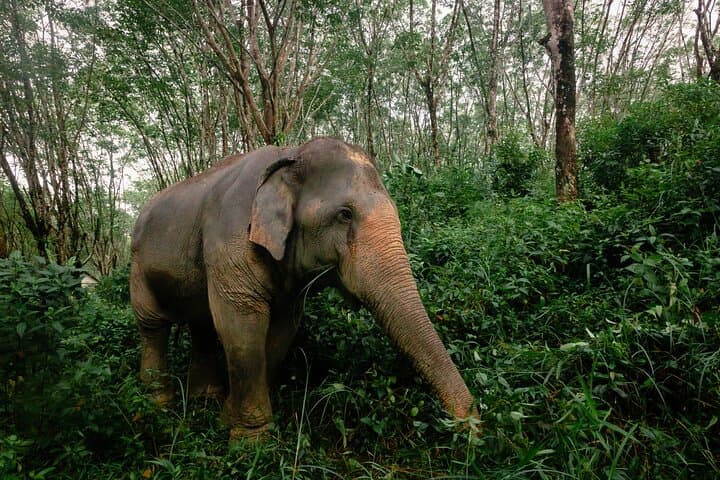
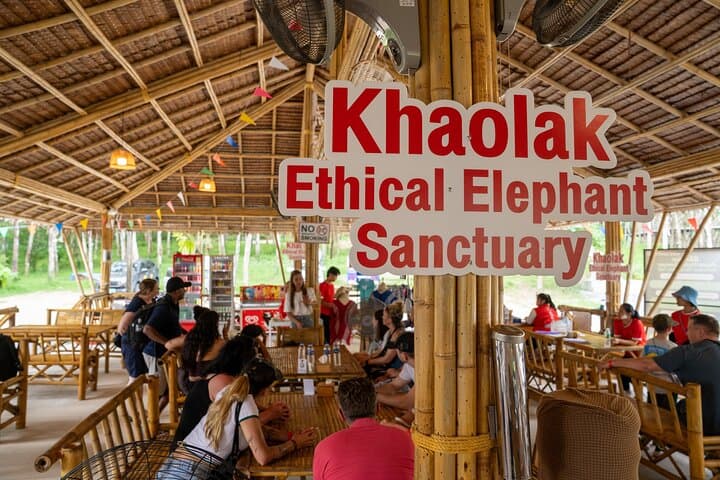
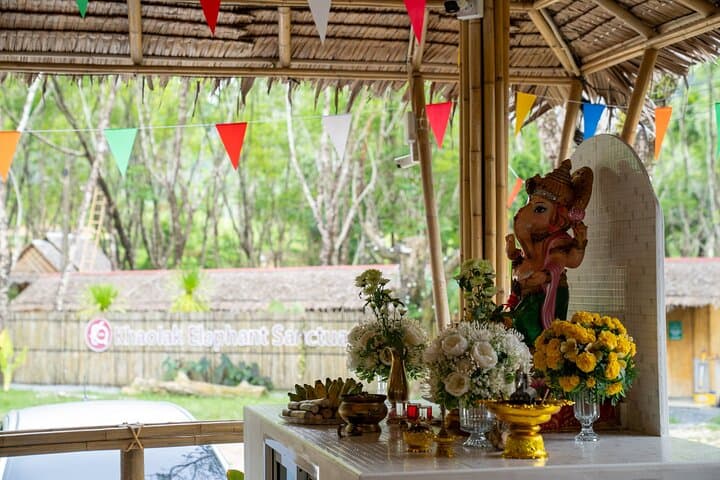
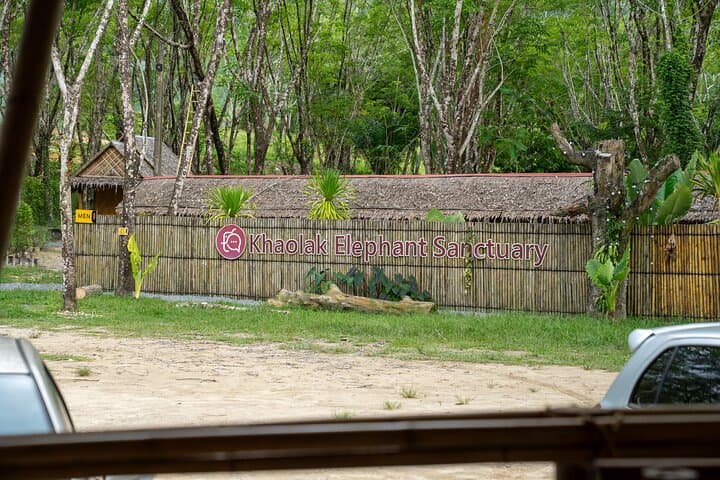
The morning air at the sanctuary smells of wet earth and banana leaves; trunks sweep the air like slow, curious hands while mahouts move quietly at the edge of a clearing. Visitors arrive by short transfer from Khao Lak hotels, step into a shaded camp, and watch elephants—some rescued from logging and tourism—eat, wander and bathe with no forced tricks. The hour unfolds as a study in scale: the weight of a footfall, the dexterous reach of a trunk, the splash of a riverbed sent playfully downstream.
The morning air at the sanctuary smells of wet earth and banana leaves; trunks sweep the air like slow, curious hands while mahouts move quietly at the edge of a clearing. Visitors arrive by short transfer from Khao Lak hotels, step into a shaded camp, and watch elephants—some rescued from logging and tourism—eat, wander and bathe with no forced tricks. The hour unfolds as a study in scale: the weight of a footfall, the dexterous reach of a trunk, the splash of a riverbed sent playfully downstream.
Phang Nga’s coastline is limestone and rainforest—karst outcrops remind you the land was sculpted by water and time. Elephants are tied to local history here, once central to teak logging and today part of ethical rescue and retirement efforts across southern Thailand. Local guides add cultural context: names of keepers, the rhythms of care, and the sanctuary’s decision to prioritize animal choice over spectacle.
Practical notes: the tour lasts roughly 60 minutes and includes a short orientation, supervised feeding observation, and photo opportunities from safe distances. Expect uneven dirt and grass surfaces, possible mud near water, and close, slow animal movement rather than staged performances. Arrive with sun protection, a refillable water bottle, closed-toe shoes, and a camera with a respectful zoom.
Mind the animals’ agency—if an elephant opts out of an activity the experience adapts. This is a viewing and learning visit: ethical, compact, and suited to travelers who want direct, low-impact encounters with Thailand’s iconic wildlife.