THE ADVENTURE COLLECTIVE® · Independent discovery and booking for outdoor travel

An evening of Lanna music, sword dance and family-style northern Thai dishes, the Khantoke Dinner Experience in Chiang Mai pairs communal dining with choreographed cultural performance. Expect sticky rice, nam phrik, traditional costumes and hotel transfers.
An evening of Lanna music, sword dance and family-style northern Thai dishes, the Khantoke Dinner Experience in Chiang Mai pairs communal dining with choreographed cultural performance. Expect sticky rice, nam phrik, traditional costumes and hotel transfers.
You enter under low lantern glow and the murmur of an assembled crowd; lacquered trays of khantoke are set on low tables and the scent of sticky rice and grilled herbs threads through the air. Wooden floors creak softly as performers in embroidered Lanna costume take their places, and the first drumbeat gestures the room into attention.
Verified experiences and guided adventures in the surrounding area.
Operated by I Asia Thailand · Chiang Mai, Chiang Mai Province
You enter under low lantern glow and the murmur of an assembled crowd; lacquered trays of khantoke are set on low tables and the scent of sticky rice and grilled herbs threads through the air. Wooden floors creak softly as performers in embroidered Lanna costume take their places, and the first drumbeat gestures the room into attention.
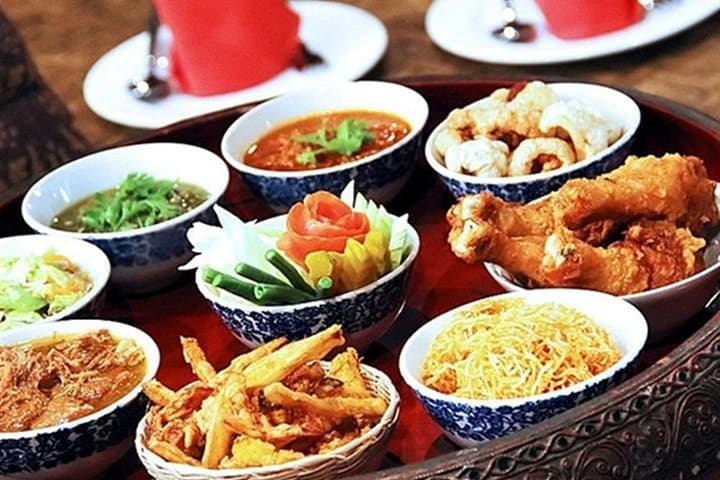
The Khantoke tradition is rooted in northern Thailand’s Lanna culture—a communal meal served on round trays while seated on mats—and the staged Khantoke dinner show at Old Chiangmai began in 1970 to showcase that heritage. The dances you’ll see mix centuries-old movement with pieces composed in the last 150 years; expect the ram dap sword routine, gentle wai greetings and regional music played on pipes and xylophones. The food centers on sticky rice, nam phrik dips, and shared vegetable and meat dishes that reflect Chiang Mai’s agricultural roots.
Practically: the program runs about 2–3 hours and usually includes return hotel transfers (confirm pickup points). Pre-book a western table if you need back support; otherwise plan to sit on floor mats. Bring modest clothing—air-conditioned venues can feel cool after a hot day—and a small amount of local currency for souvenirs and gratuities. Photography is common but ask before close-up portraits of performers. Arrive on time to catch the full sequence of dances and the final communal blessing. The experience is equal parts cultural performance and communal dining—best enjoyed with curiosity, respect, and an appetite for northern Thai flavors.
easy.
2–3 hours.
Suitable for all fitness levels; mostly seated with minimal mobility demands but notify operator if you need chair seating.
Most bookings include return transfers from Chiang Mai city hotels—confirm your pickup location and time at booking, as some outlying properties may incur a surcharge.
Yes; the operator typically accommodates common dietary requests if advised when booking—note specifics like vegan or gluten-free needs in advance.
Traditional khantoke seating is on floor mats at low tables; a limited number of Western-style table seats are available and should be reserved if you require back support.
Children under 90 cm are usually free; 90–134 cm are at child rates and over 135 cm charged as adults—check exact age/height policies when booking.
Khantoke dining is a northern Thai (Lanna) custom adapted into staged cultural shows; the Old Chiangmai production began in 1970 to preserve and present regional dance and cuisine.
Support cultural sustainability by buying local handicrafts, avoiding intrusive photography of performers, and minimizing single-use plastics during your visit.
I Asia Thailand operates guided outdoor trips and adventures with an emphasis on safety, stewardship, and memorable experiences.
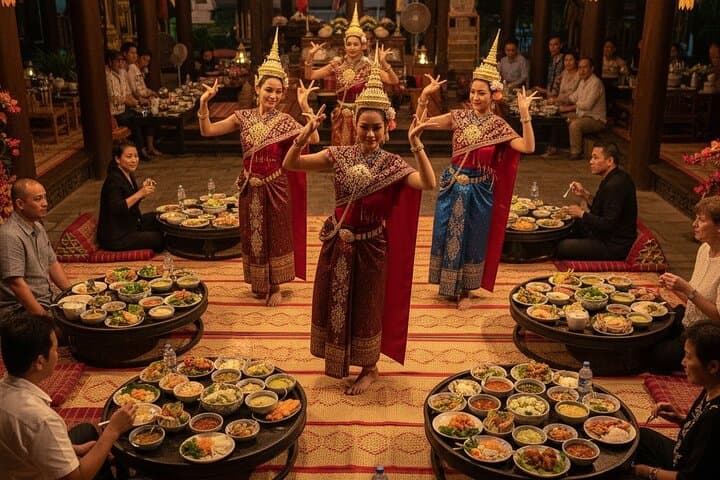
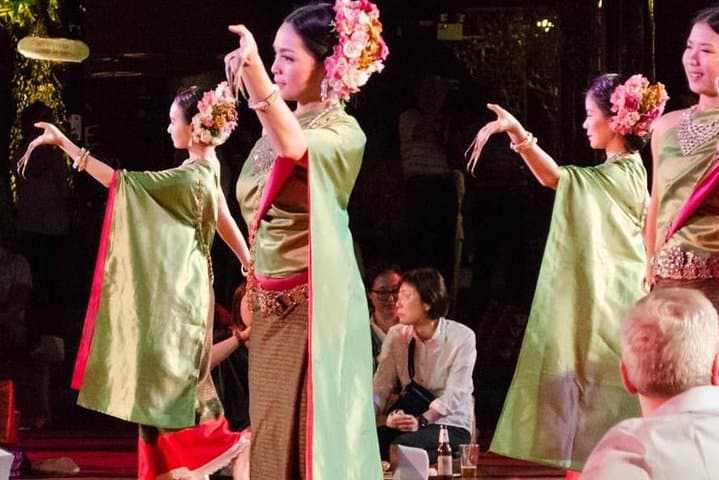
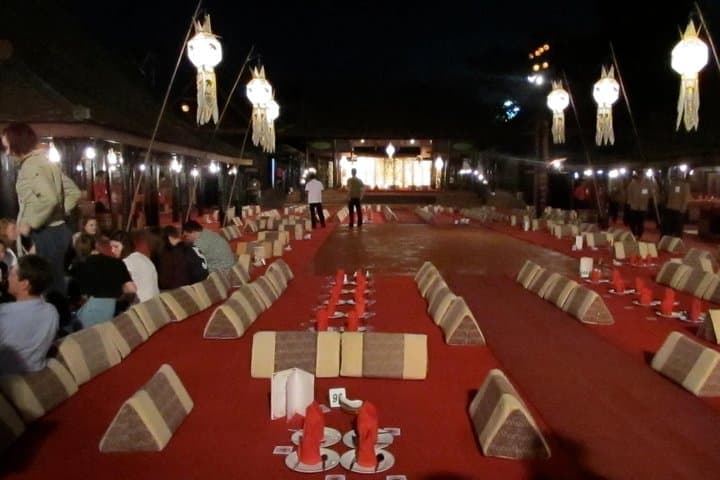
You enter under low lantern glow and the murmur of an assembled crowd; lacquered trays of khantoke are set on low tables and the scent of sticky rice and grilled herbs threads through the air. Wooden floors creak softly as performers in embroidered Lanna costume take their places, and the first drumbeat gestures the room into attention.
You enter under low lantern glow and the murmur of an assembled crowd; lacquered trays of khantoke are set on low tables and the scent of sticky rice and grilled herbs threads through the air. Wooden floors creak softly as performers in embroidered Lanna costume take their places, and the first drumbeat gestures the room into attention.
The Khantoke tradition is rooted in northern Thailand’s Lanna culture—a communal meal served on round trays while seated on mats—and the staged Khantoke dinner show at Old Chiangmai began in 1970 to showcase that heritage. The dances you’ll see mix centuries-old movement with pieces composed in the last 150 years; expect the ram dap sword routine, gentle wai greetings and regional music played on pipes and xylophones. The food centers on sticky rice, nam phrik dips, and shared vegetable and meat dishes that reflect Chiang Mai’s agricultural roots.
Practically: the program runs about 2–3 hours and usually includes return hotel transfers (confirm pickup points). Pre-book a western table if you need back support; otherwise plan to sit on floor mats. Bring modest clothing—air-conditioned venues can feel cool after a hot day—and a small amount of local currency for souvenirs and gratuities. Photography is common but ask before close-up portraits of performers. Arrive on time to catch the full sequence of dances and the final communal blessing. The experience is equal parts cultural performance and communal dining—best enjoyed with curiosity, respect, and an appetite for northern Thai flavors.