THE ADVENTURE COLLECTIVE® · Independent discovery and booking for outdoor travel

Explore Khan El-Khalili with a private guide: watch papyrus being made, sample traditional perfumes, inspect premium Egyptian cotton and design a personalized cartouche before a local lunch. This 3–4 hour tour pairs cultural context with practical shopping tips.
Explore Khan El-Khalili with a private guide: watch papyrus being made, sample traditional perfumes, inspect premium Egyptian cotton and design a personalized cartouche before a local lunch. This 3–4 hour tour pairs cultural context with practical shopping tips.
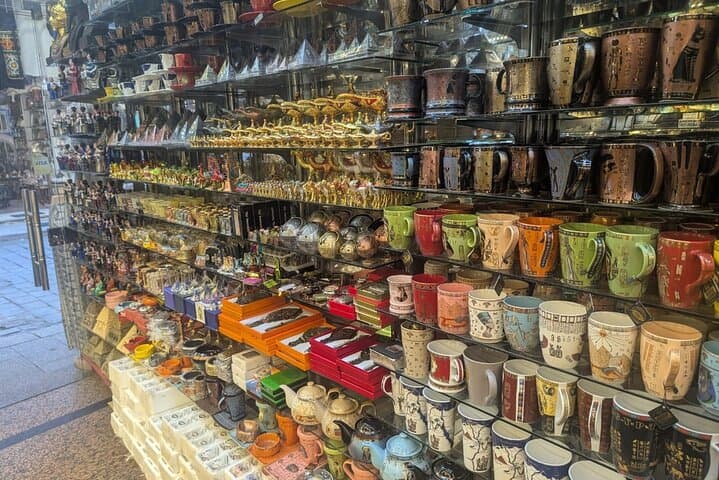
You step from a shaded car into a maze of alleys where the air tastes of spice, mint tea and warm metal. Narrow lanes push you forward beneath canopies of fabric and hanging lanterns; your guide parts the crowd with a practiced ease and the market opens like a city within a city.
Verified experiences and guided adventures in the surrounding area.
Operated by Magic Cairo Tours · Cairo, Cairo Governorate
You step from a shaded car into a maze of alleys where the air tastes of spice, mint tea and warm metal. Narrow lanes push you forward beneath canopies of fabric and hanging lanterns; your guide parts the crowd with a practiced ease and the market opens like a city within a city.
Khan El-Khalili began to take shape in the 14th century under the Mamluks and has since been Cairo’s commercial heart—where traders, artisans and pilgrims converged along caravan routes. Geology and Nile-borne trade made Cairo a crossroads, and the bazaar reflects layers of that history: papyrus and perfume workshops, Egyptian cotton merchants and jewelers selling cartouches engraved in hieroglyphs.
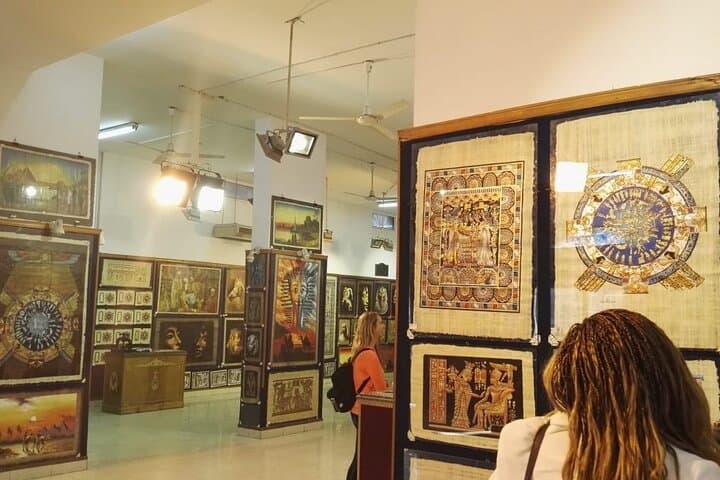
Culturally, this is a working market, not a museum: bargaining is expected, scents are potent, and artisans are proud of process and provenance. Your private tour typically includes an introduction to papyrus-making, a visit to a perfume atelier showing essential oils, a stop at a premium cotton shop, and time to design a personalized cartouche before a local lunch.
Practical guidance: wear comfortable shoes for uneven paving, carry small bills and a secure day bag, and schedule the visit in the cooler morning hours to avoid peak heat and crowds. Bring a reusable water bottle and modest clothing out of respect for local customs. If you plan to photograph people or shop inside workshops, ask permission first. With a knowledgeable guide and a clear plan for spending, the market becomes both a cultural classroom and a place to find meaningful souvenirs.
easy.
3–4 hours.
Light walking on cobbled lanes; suitable for most fitness levels but expect standing and short strolls
Yes—an Egyptian lunch at a local restaurant is included, typically offering dishes like koshary or falafel sandwiches as indicated in the itinerary.
Yes—private car transfer from Cairo or Giza hotels is included; the tour is designed for door-to-door service.
The tour notes stroller accessibility and allows infants; however, narrow lanes can be challenging—infants are required to sit on an adult’s lap during transit portions.
Photography policies vary by shop—ask the artisan or your guide for permission before taking photos, especially of people or sensitive processes.
Khan El-Khalili grew into prominence during the 14th-century Mamluk period and has remained a commercial hub where Egyptian crafts and international trade converge.
Support local artisans by buying directly and asking about materials; minimize single-use plastics and leave no waste in narrow market lanes to reduce strain on the historic area.
Magic Cairo Tours operates guided outdoor trips and adventures with an emphasis on safety, stewardship, and memorable experiences.


You step from a shaded car into a maze of alleys where the air tastes of spice, mint tea and warm metal. Narrow lanes push you forward beneath canopies of fabric and hanging lanterns; your guide parts the crowd with a practiced ease and the market opens like a city within a city.
You step from a shaded car into a maze of alleys where the air tastes of spice, mint tea and warm metal. Narrow lanes push you forward beneath canopies of fabric and hanging lanterns; your guide parts the crowd with a practiced ease and the market opens like a city within a city.
Khan El-Khalili began to take shape in the 14th century under the Mamluks and has since been Cairo’s commercial heart—where traders, artisans and pilgrims converged along caravan routes. Geology and Nile-borne trade made Cairo a crossroads, and the bazaar reflects layers of that history: papyrus and perfume workshops, Egyptian cotton merchants and jewelers selling cartouches engraved in hieroglyphs.
Culturally, this is a working market, not a museum: bargaining is expected, scents are potent, and artisans are proud of process and provenance. Your private tour typically includes an introduction to papyrus-making, a visit to a perfume atelier showing essential oils, a stop at a premium cotton shop, and time to design a personalized cartouche before a local lunch.
Practical guidance: wear comfortable shoes for uneven paving, carry small bills and a secure day bag, and schedule the visit in the cooler morning hours to avoid peak heat and crowds. Bring a reusable water bottle and modest clothing out of respect for local customs. If you plan to photograph people or shop inside workshops, ask permission first. With a knowledgeable guide and a clear plan for spending, the market becomes both a cultural classroom and a place to find meaningful souvenirs.