THE ADVENTURE COLLECTIVE® · Independent discovery and booking for outdoor travel

Spend four hours walking through Cairo’s oldest markets—El Ghorya, Gamalia, El Mosky and Khan el-Khalili—where centuries of trade meet modern craft. This accessible tour pairs cultural history with practical shopping tips for visitors.
Spend four hours walking through Cairo’s oldest markets—El Ghorya, Gamalia, El Mosky and Khan el-Khalili—where centuries of trade meet modern craft. This accessible tour pairs cultural history with practical shopping tips for visitors.
The morning air in Islamic Cairo moves like a living thing: alleys hum, vendors call, and the scent of spices threads through narrow lanes that have traded hands for centuries.
Verified experiences and guided adventures in the surrounding area.
Operated by This Is Egypt Aswan · Cairo, Cairo Governorate
The morning air in Islamic Cairo moves like a living thing: alleys hum, vendors call, and the scent of spices threads through narrow lanes that have traded hands for centuries.
This four-hour walking tour takes visitors through El Ghorya, Gamalia Street, El Mosky and the famed Khan el-Khalili. Walkers step onto cobbles laid over the Nile’s ancient alluvial plain, where Fatimid-era streets grew into the city’s commercial spine. Buildings show a layered history—Mamluk-era facades, Ottoman shopfronts and modern stalls—each a page in Cairo’s urban story.
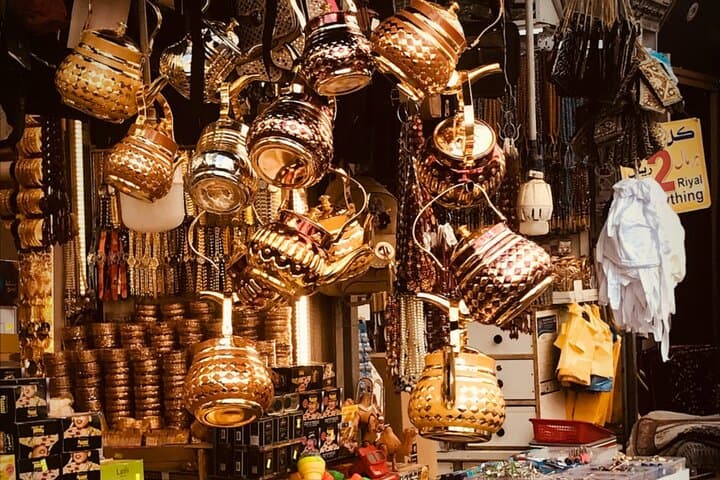
Khan el-Khalili itself emerged in the 14th century as a caravanserai district; today it holds brassware, leather, and antiquities alongside contemporary crafts. The markets sit on ground shaped by the Nile’s shifting silt, so expect uneven paving and tight passages. Local culture is direct: bargaining is customary, and hospitality often arrives with a cup of mint tea.
Practically, this tour is a paced urban hike: comfortable shoes, light layers, and a small daypack free your hands for shopping. Bring small-denomination Egyptian pounds for stalls that don’t take cards, and plan visits in the cooler morning or late afternoon to avoid peak heat. Hydrate often—bottled water is typically provided—but a reusable bottle and a quick-refill habit help reduce waste.
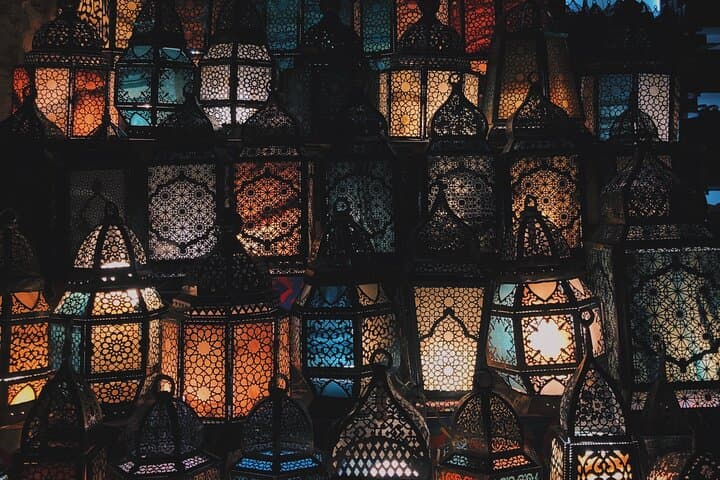
The route is wheelchair accessible in parts but includes tight alleys; travelers with mobility needs should confirm pickup and route details in advance. Whether hunting for brass lamps or sampling street sweets, the tour blends sensory payoff with clear, walkable logistics—an accessible way to read Cairo’s market-life in a single, lively sweep.
easy.
4 hours.
Light urban walking; suitable for most fitness levels who can handle up to a few miles on uneven pavements.
Yes—haggling is customary at many stalls; begin with a lower offer and negotiate respectfully toward a fair price.
Parts of the tour and some wider streets are wheelchair accessible, but narrow alleys and uneven paving may limit access—confirm details with the operator before booking.
Bring Egyptian pounds in small denominations for most purchases; some larger shops and cafes accept cards, but many vendors are cash-only.
Bottled water is listed as included for the tour, but carrying a refillable bottle is recommended for longer days and to reduce plastic waste.
Khan el-Khalili grew from 14th-century caravanserais into a major medieval market under the Mamluks; the area preserves layers of Islamic Cairo’s commercial history.
Tour operators encourage reduced plastic use and respectful shopping; support local artisans by prioritizing authentic, locally made goods over imported souvenirs.
This Is Egypt Aswan operates guided outdoor trips and adventures with an emphasis on safety, stewardship, and memorable experiences.


The morning air in Islamic Cairo moves like a living thing: alleys hum, vendors call, and the scent of spices threads through narrow lanes that have traded hands for centuries.
The morning air in Islamic Cairo moves like a living thing: alleys hum, vendors call, and the scent of spices threads through narrow lanes that have traded hands for centuries.
This four-hour walking tour takes visitors through El Ghorya, Gamalia Street, El Mosky and the famed Khan el-Khalili. Walkers step onto cobbles laid over the Nile’s ancient alluvial plain, where Fatimid-era streets grew into the city’s commercial spine. Buildings show a layered history—Mamluk-era facades, Ottoman shopfronts and modern stalls—each a page in Cairo’s urban story.
Khan el-Khalili itself emerged in the 14th century as a caravanserai district; today it holds brassware, leather, and antiquities alongside contemporary crafts. The markets sit on ground shaped by the Nile’s shifting silt, so expect uneven paving and tight passages. Local culture is direct: bargaining is customary, and hospitality often arrives with a cup of mint tea.
Practically, this tour is a paced urban hike: comfortable shoes, light layers, and a small daypack free your hands for shopping. Bring small-denomination Egyptian pounds for stalls that don’t take cards, and plan visits in the cooler morning or late afternoon to avoid peak heat. Hydrate often—bottled water is typically provided—but a reusable bottle and a quick-refill habit help reduce waste.
The route is wheelchair accessible in parts but includes tight alleys; travelers with mobility needs should confirm pickup and route details in advance. Whether hunting for brass lamps or sampling street sweets, the tour blends sensory payoff with clear, walkable logistics—an accessible way to read Cairo’s market-life in a single, lively sweep.