THE ADVENTURE COLLECTIVE® · Independent discovery and booking for outdoor travel

Combine a quiet visit to the UNESCO-listed Khami Ruins with a private 6,500‑acre game reserve for a full day of archaeology, wildlife tracking, and a gourmet lodge lunch—ideal for travelers who want context and space rather than crowds.
Combine a quiet visit to the UNESCO-listed Khami Ruins with a private 6,500‑acre game reserve for a full day of archaeology, wildlife tracking, and a gourmet lodge lunch—ideal for travelers who want context and space rather than crowds.
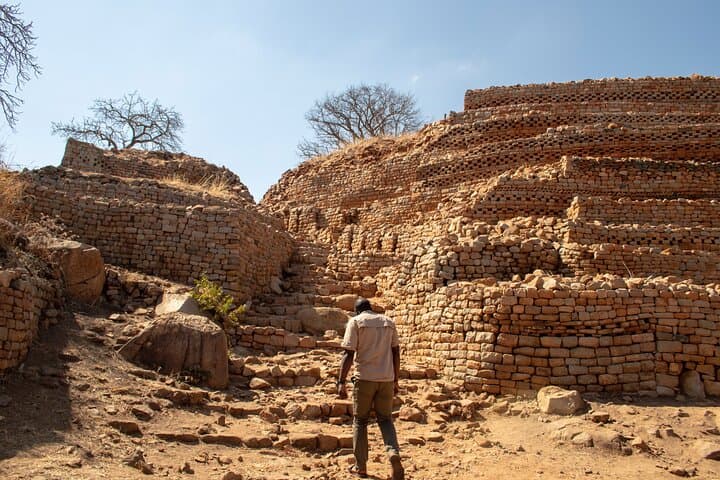
Morning light strips across dry grass as your vehicle leaves Bulawayo and the low stone terraces of Khami come into view—stacked walls cutting the horizon into clean geometric lines. The site moves slowly under a guide’s voice: stones that once framed royal platforms, curved retaining walls, and steps worn by centuries of feet.
Verified experiences and guided adventures in the surrounding area.
Operated by Matobo Hills Lodge Tours · Bulawayo, Bulawayo Province
Morning light strips across dry grass as your vehicle leaves Bulawayo and the low stone terraces of Khami come into view—stacked walls cutting the horizon into clean geometric lines. The site moves slowly under a guide’s voice: stones that once framed royal platforms, curved retaining walls, and steps worn by centuries of feet.
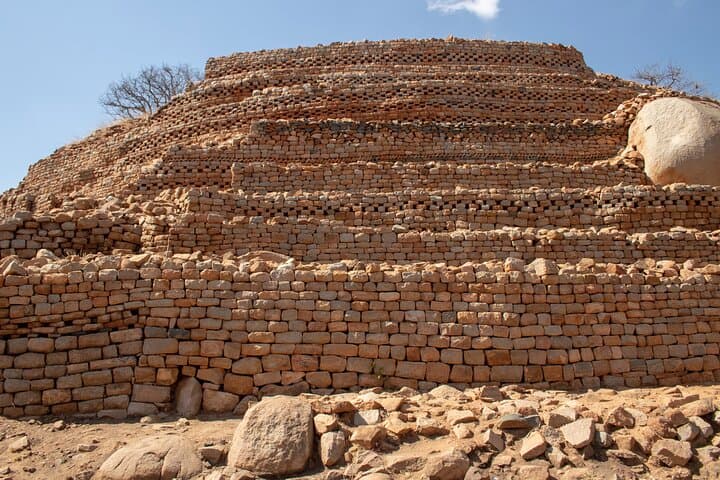
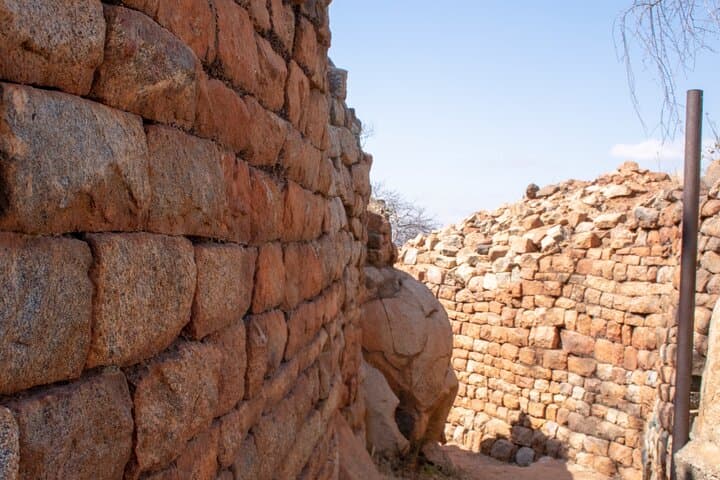
Khami was a capital of the Torwa dynasty in the 15th century, a regional trade hub that borrowed techniques from Great Zimbabwe while forging its own masonry styles—chequerboard and herringbone patterns arranged without mortar. The geological palette here is dolerite and local sandstones that weather into sharp-edged blocks, giving the ruins their precise, almost modern geometry.
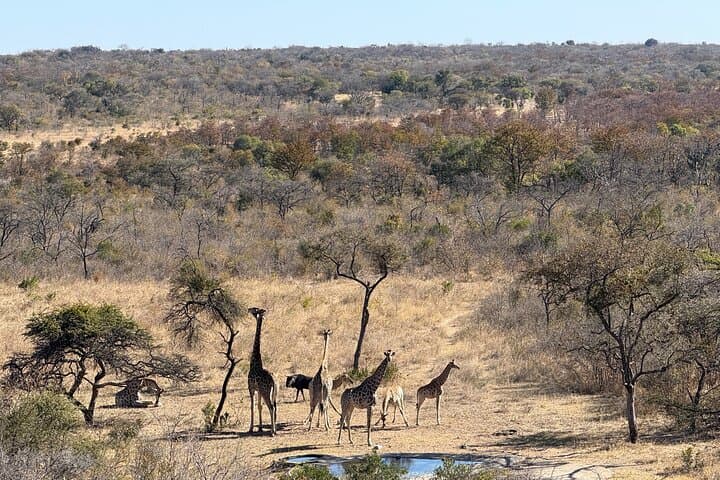
Culturally, the visit connects to Ndebele and earlier Kalanga histories; local guides link motifs in the stonework to trade networks that reached the Indian Ocean. In the afternoon the landscape changes: private reserve grasslands open, acacia copses scatter across low ridges, and wildlife reasserts itself—antelopes pick at morning shoots while birds wheel above.
Practical guidance: plan for an 8-hour day with private pickup from Bulawayo, sturdy shoes for uneven stone and short climbs, and sun protection—shade is sparse. Lunch at the lodge is a calm midpoint; expect a guided vehicle drive and short, easy tracking walks where guides demonstrate spoor-reading and animal behavior basics. Photography is excellent early and late light; bring binoculars, bottled water, and patience—both for quiet observation and the slow pace of cultural interpretation. This is a day designed for depth over crowds: history, geology, and dry-country wildlife woven into a single, manageable full-day route.
easy.
8 hours.
Suitable for most travelers; involves short walks on uneven ground and brief climbs on stone platforms.
Yes—admission fees are included in the tour price, and an expert guide leads the Khami visit.
Private pickup is offered from Bulawayo; confirm your pickup point when booking.
The itinerary is easy: short, uneven walks at Khami and gentle tracking on foot in the reserve, suitable for most fitness levels.
Expect plains species typical of Matabeleland—antelopes such as kudu and impala, zebra, various bird species, and, depending on the reserve, occasional elephants.
Khami was a 15th-century capital of the Torwa dynasty known for precise mortarless masonry and ties to regional trade routes that linked the interior to coastal markets.
The private reserve operates under low-impact tourism principles—stay on vehicle tracks, avoid feeding wildlife, and follow guide instructions to minimize disturbance.
Matobo Hills Lodge Tours operates guided outdoor trips and adventures with an emphasis on safety, stewardship, and memorable experiences.
Morning light strips across dry grass as your vehicle leaves Bulawayo and the low stone terraces of Khami come into view—stacked walls cutting the horizon into clean geometric lines. The site moves slowly under a guide’s voice: stones that once framed royal platforms, curved retaining walls, and steps worn by centuries of feet.
Morning light strips across dry grass as your vehicle leaves Bulawayo and the low stone terraces of Khami come into view—stacked walls cutting the horizon into clean geometric lines. The site moves slowly under a guide’s voice: stones that once framed royal platforms, curved retaining walls, and steps worn by centuries of feet.
Khami was a capital of the Torwa dynasty in the 15th century, a regional trade hub that borrowed techniques from Great Zimbabwe while forging its own masonry styles—chequerboard and herringbone patterns arranged without mortar. The geological palette here is dolerite and local sandstones that weather into sharp-edged blocks, giving the ruins their precise, almost modern geometry.
Culturally, the visit connects to Ndebele and earlier Kalanga histories; local guides link motifs in the stonework to trade networks that reached the Indian Ocean. In the afternoon the landscape changes: private reserve grasslands open, acacia copses scatter across low ridges, and wildlife reasserts itself—antelopes pick at morning shoots while birds wheel above.
Practical guidance: plan for an 8-hour day with private pickup from Bulawayo, sturdy shoes for uneven stone and short climbs, and sun protection—shade is sparse. Lunch at the lodge is a calm midpoint; expect a guided vehicle drive and short, easy tracking walks where guides demonstrate spoor-reading and animal behavior basics. Photography is excellent early and late light; bring binoculars, bottled water, and patience—both for quiet observation and the slow pace of cultural interpretation. This is a day designed for depth over crowds: history, geology, and dry-country wildlife woven into a single, manageable full-day route.