THE ADVENTURE COLLECTIVE® · Independent discovery and booking for outdoor travel

Drive across central India's plains for a private day at Khajuraho’s UNESCO temples. This full-day tour from Orchha pairs a local guide and chauffeur with focused time at the Western Group and quieter shrine complexes.
Drive across central India's plains for a private day at Khajuraho’s UNESCO temples. This full-day tour from Orchha pairs a local guide and chauffeur with focused time at the Western Group and quieter shrine complexes.
You leave Orchha at first light, the car cutting across flat, sun-baked plains while the Ken River—threading through scrub and farmland—pulls past in silver flashes. The drive is part of the day: roughly 172 km (about 106 miles) each way, a slow unfurling of villages and roadside groves before the temple spires of Khajuraho rise against the horizon.
Verified experiences and guided adventures in the surrounding area.
Operated by City Tours India · Khajuraho, Madhya Pradesh
You leave Orchha at first light, the car cutting across flat, sun-baked plains while the Ken River—threading through scrub and farmland—pulls past in silver flashes. The drive is part of the day: roughly 172 km (about 106 miles) each way, a slow unfurling of villages and roadside groves before the temple spires of Khajuraho rise against the horizon.
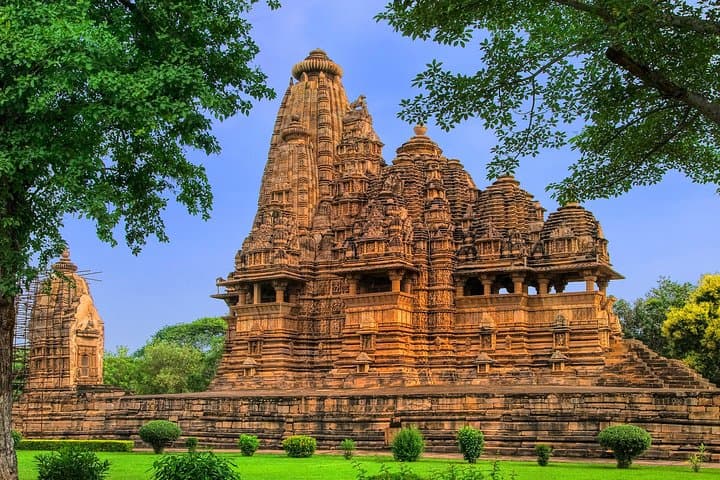
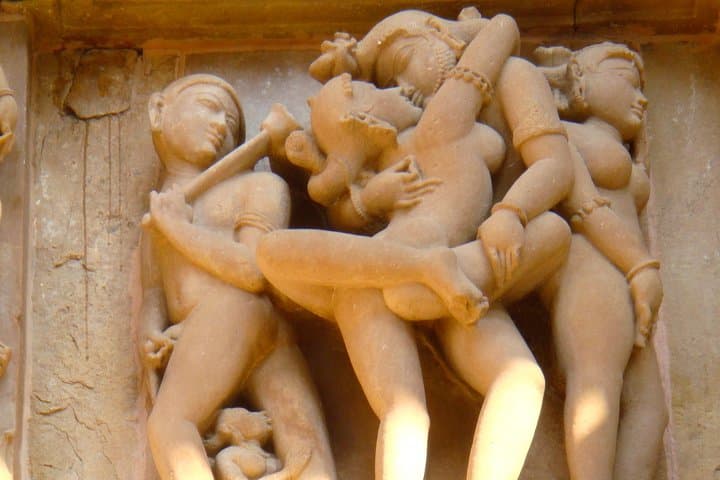
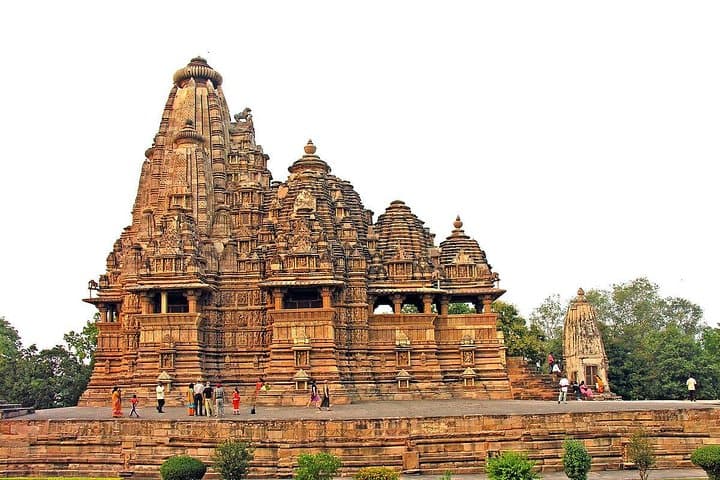
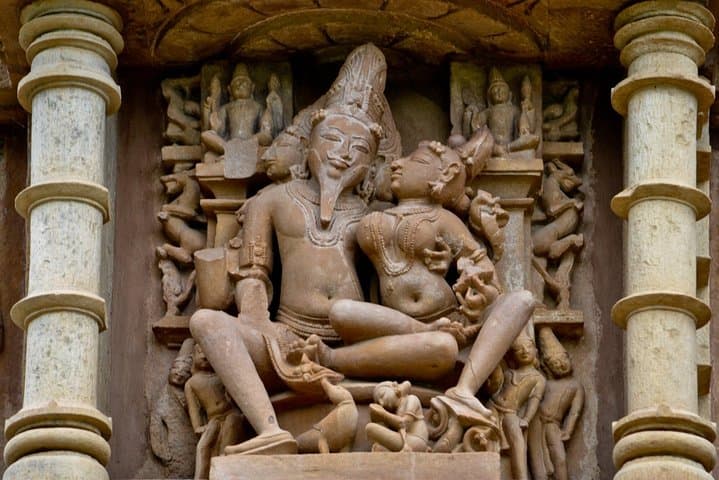
Khajuraho’s temples were carved by the Chandela dynasty between the 9th and 11th centuries using a dense river sandstone that holds crisp reliefs despite centuries of weathering. The Western Group contains the Kandariya Mahadeva—its 31 m spire made of stacked porches and turrets—and dozens of sculptures that range from devotional to overtly human. The site was largely abandoned in later centuries and reintroduced to the world in the 19th century; today it’s a UNESCO World Heritage Site where history, ritual and stonework meet.
On a private day tour you'll cover the key complexes with a local guide who explains iconography, construction techniques and the Chandela court culture. Practicalities matter: the day runs 9–10 hours, lunch is typically self-organized, and minutes add up between walking, photographing and short talks.
Plan for steady sun, dusty paths and stair-stepped temple platforms: comfortable walking shoes, sun protection and water are essential. Respect temple etiquette (modest dress and limited indoor photography in sanctums) and allow time to browse the small archaeological museum and quieter shrines for a fuller picture of Khajuraho beyond the headline sculptures.
moderate.
9–10 hours.
Suitable for travelers comfortable with several hours of walking on flat to stepped temple grounds and getting in/out of a vehicle over a long day.
No; the tour notes admission as 'not applicable'—expect to buy tickets on arrival unless explicitly stated in your booking confirmation.
Pick-up is usually from your Orchha hotel lobby; drop-off options include return to Orchha or Jhansi Railway Station as listed in the itinerary.
Lunch is not included—your guide can recommend nearby restaurants in Khajuraho and help choose according to your preferences.
The grounds are mostly flat but include steps and some uneven surfaces; the tour is family-friendly but not ideal for those who cannot manage short stair climbs.
Khajuraho was a major Chandela capital (9th–11th centuries CE); many of the site's 85 original temples were built in that period and later forgotten until 19th-century rediscovery.
The sandstone carvings are vulnerable to erosion and visitor wear; stick to marked paths, avoid touching sculptures and follow local conservation signage.
City Tours India operates guided outdoor trips and adventures with an emphasis on safety, stewardship, and memorable experiences.
You leave Orchha at first light, the car cutting across flat, sun-baked plains while the Ken River—threading through scrub and farmland—pulls past in silver flashes. The drive is part of the day: roughly 172 km (about 106 miles) each way, a slow unfurling of villages and roadside groves before the temple spires of Khajuraho rise against the horizon.
You leave Orchha at first light, the car cutting across flat, sun-baked plains while the Ken River—threading through scrub and farmland—pulls past in silver flashes. The drive is part of the day: roughly 172 km (about 106 miles) each way, a slow unfurling of villages and roadside groves before the temple spires of Khajuraho rise against the horizon.
Khajuraho’s temples were carved by the Chandela dynasty between the 9th and 11th centuries using a dense river sandstone that holds crisp reliefs despite centuries of weathering. The Western Group contains the Kandariya Mahadeva—its 31 m spire made of stacked porches and turrets—and dozens of sculptures that range from devotional to overtly human. The site was largely abandoned in later centuries and reintroduced to the world in the 19th century; today it’s a UNESCO World Heritage Site where history, ritual and stonework meet.
On a private day tour you'll cover the key complexes with a local guide who explains iconography, construction techniques and the Chandela court culture. Practicalities matter: the day runs 9–10 hours, lunch is typically self-organized, and minutes add up between walking, photographing and short talks.
Plan for steady sun, dusty paths and stair-stepped temple platforms: comfortable walking shoes, sun protection and water are essential. Respect temple etiquette (modest dress and limited indoor photography in sanctums) and allow time to browse the small archaeological museum and quieter shrines for a fuller picture of Khajuraho beyond the headline sculptures.