THE ADVENTURE COLLECTIVE® · Independent discovery and booking for outdoor travel

Step into Key West's hazardous maritime past at the Shipwreck Treasure Museum, where salvaged silver, interactive exhibits, and a 65-foot observation tower bring 19th-century wrecking to life. A two-hour visit blends artifacts, film, and sweeping harbor views.
Step into Key West's hazardous maritime past at the Shipwreck Treasure Museum, where salvaged silver, interactive exhibits, and a 65-foot observation tower bring 19th-century wrecking to life. A two-hour visit blends artifacts, film, and sweeping harbor views.
The harbor smells of salt and diesel; gulls circle like weathered passengers. From the dock, the museum's brick façade looks less like a museum and more like a harbor-side stage where the sea performs its most dangerous trades. Inside, darkened rooms open onto cases of coral-stippled silver and a 65-foot observation tower that throws a wide net over Key West Harbor and the restless Atlantic beyond.
Verified experiences and guided adventures in the surrounding area.
Operated by Historic Tours Of America · Key West, Florida
The harbor smells of salt and diesel; gulls circle like weathered passengers. From the dock, the museum's brick façade looks less like a museum and more like a harbor-side stage where the sea performs its most dangerous trades. Inside, darkened rooms open onto cases of coral-stippled silver and a 65-foot observation tower that throws a wide net over Key West Harbor and the restless Atlantic beyond.
Key West's shipwreck story is not maritime myth but local economics. In the 19th century, jagged reefs and the Gulf Stream made the Florida Straits a graveyard for merchant ships. Wreck salvagers—known locally simply as wreckers—turned salvage into a profession that briefly made this island one of the richest towns in America. The Isaac Allerton, which sank in 1856, is the museum's anchor story: a cargo haul of silver and goods that still heats imaginations and appears in the display cases.
Geology and currents explain the danger. The Florida Reef, a shallow edge of coral running along the Keys, drops away suddenly; the Gulf Stream pushes vessels toward it with surprising force. That geological seam between deep water and shoal is where European galleons and wooden packet ships found trouble and where modern archaeologists find fragments of cargo, fasteners and cargo manifests frozen in time.
Culturally, wrecking shaped Key West's identity. Families built fortunes and reputations on rapid, risky recoveries—rowing into darkness, hauling valuables and negotiating salvage rights. Today the museum reframes those stories with artifacts, interactive displays, period costumes and underwater footage that pulls the ocean into the gallery.
Plan to spend roughly two hours. Start with the Isaac Allerton exhibit, try to lift a salvaged silver bar to feel the work's physicality, then watch the short films that place salvage techniques in historical context. Finish by climbing the tower for harbor-level perspective; the currents will feel like actors in the view, pushing and pulling vessels toward land.
Practical details: exchange your mobile voucher at the ticket desk on arrival. The space is wheelchair- and stroller-accessible, though the tower climb is steep and not suitable for those with balance issues. Peak times are late morning and early evening—time your visit to dodge tour-boat crowds or combine it with Mallory Square's sunset ceremony.
Bring comfortable shoes and a refillable bottle: the museum involves standing and several staircases. If you're interested in maritime conservation, ask staff about local reef-protection projects; the museum doubles as an education center for preserving underwater cultural heritage.
This visit is both a walk through Key West's economic past and a front-row seat to how the sea shapes a place: it tempts, it punishes, and it leaves behind stories hefty enough to lift.
easy.
2 hours.
Light: standing, short walks and stair climbing for the tower; no special fitness required
The museum lists a standard duration of about 2 hours—enough time for exhibits, films, and a tower climb.
Yes, mobile vouchers must be exchanged for a direct entry ticket at the museum's ticket desk on arrival.
Main floor galleries and exhibits are wheelchair and stroller accessible, but the 65-foot tower requires climbing stairs and is not wheelchair accessible.
Yes—children can explore interactive displays and try lifting a replica silver bar; strollers are allowed in main areas.
Yes, visitors can climb the tower unless staff restrict access for safety; the tower provides panoramic harbor views but involves steep stairs.
For a full refund cancel at least 24 hours before the scheduled visit; cancellations within 24 hours are non-refundable.
Wrecking—salvage and recovery—was a formal industry in 19th-century Key West; salvagers legally claimed cargo and made fortunes that shaped the island's economy.
The museum emphasizes preservation of underwater cultural heritage and local reef protection; modern wreck recovery is regulated to protect archaeological context and marine life.
Historic Tours Of America operates guided outdoor trips and adventures with an emphasis on safety, stewardship, and memorable experiences.
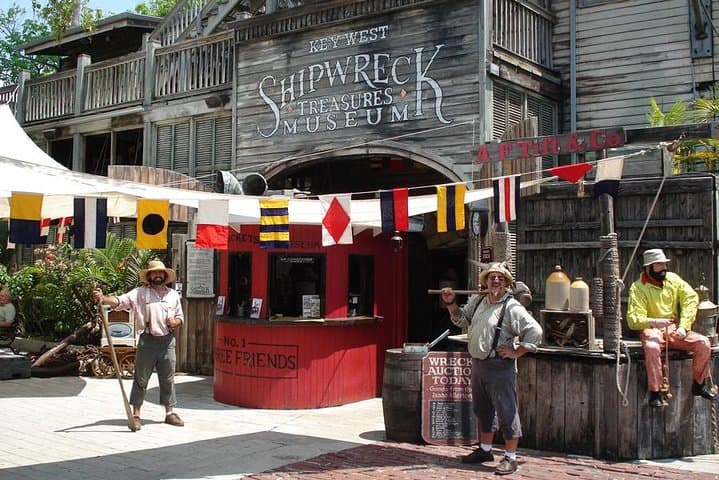
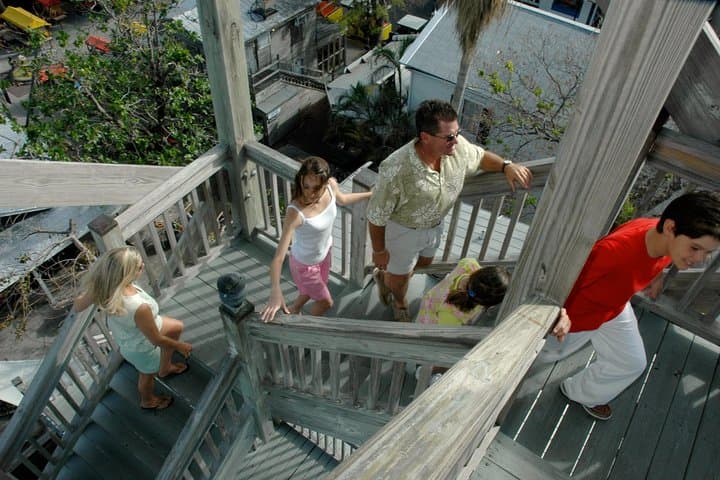
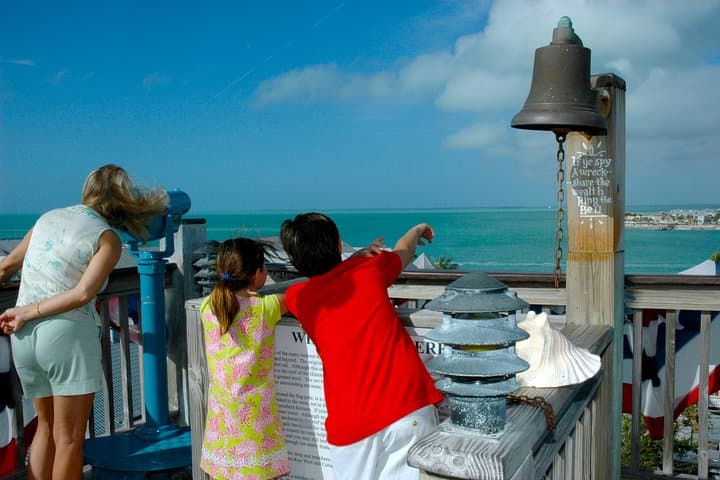
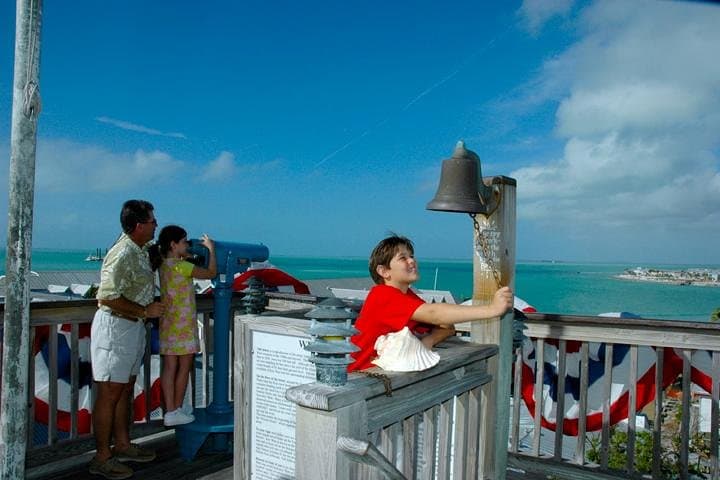
The harbor smells of salt and diesel; gulls circle like weathered passengers. From the dock, the museum's brick façade looks less like a museum and more like a harbor-side stage where the sea performs its most dangerous trades. Inside, darkened rooms open onto cases of coral-stippled silver and a 65-foot observation tower that throws a wide net over Key West Harbor and the restless Atlantic beyond.
The harbor smells of salt and diesel; gulls circle like weathered passengers. From the dock, the museum's brick façade looks less like a museum and more like a harbor-side stage where the sea performs its most dangerous trades. Inside, darkened rooms open onto cases of coral-stippled silver and a 65-foot observation tower that throws a wide net over Key West Harbor and the restless Atlantic beyond.
Key West's shipwreck story is not maritime myth but local economics. In the 19th century, jagged reefs and the Gulf Stream made the Florida Straits a graveyard for merchant ships. Wreck salvagers—known locally simply as wreckers—turned salvage into a profession that briefly made this island one of the richest towns in America. The Isaac Allerton, which sank in 1856, is the museum's anchor story: a cargo haul of silver and goods that still heats imaginations and appears in the display cases.
Geology and currents explain the danger. The Florida Reef, a shallow edge of coral running along the Keys, drops away suddenly; the Gulf Stream pushes vessels toward it with surprising force. That geological seam between deep water and shoal is where European galleons and wooden packet ships found trouble and where modern archaeologists find fragments of cargo, fasteners and cargo manifests frozen in time.
Culturally, wrecking shaped Key West's identity. Families built fortunes and reputations on rapid, risky recoveries—rowing into darkness, hauling valuables and negotiating salvage rights. Today the museum reframes those stories with artifacts, interactive displays, period costumes and underwater footage that pulls the ocean into the gallery.
Plan to spend roughly two hours. Start with the Isaac Allerton exhibit, try to lift a salvaged silver bar to feel the work's physicality, then watch the short films that place salvage techniques in historical context. Finish by climbing the tower for harbor-level perspective; the currents will feel like actors in the view, pushing and pulling vessels toward land.
Practical details: exchange your mobile voucher at the ticket desk on arrival. The space is wheelchair- and stroller-accessible, though the tower climb is steep and not suitable for those with balance issues. Peak times are late morning and early evening—time your visit to dodge tour-boat crowds or combine it with Mallory Square's sunset ceremony.
Bring comfortable shoes and a refillable bottle: the museum involves standing and several staircases. If you're interested in maritime conservation, ask staff about local reef-protection projects; the museum doubles as an education center for preserving underwater cultural heritage.
This visit is both a walk through Key West's economic past and a front-row seat to how the sea shapes a place: it tempts, it punishes, and it leaves behind stories hefty enough to lift.