THE ADVENTURE COLLECTIVE® · Independent discovery and booking for outdoor travel

Explore Key West after dark on a 75‑minute walking tour that traces Cayo Hueso’s haunted corners and colonial history. Meet at St. Paul Episcopal Church and step into stories shaped by shipwrecks, Bahamian settlers, and old island life.
Explore Key West after dark on a 75‑minute walking tour that traces Cayo Hueso’s haunted corners and colonial history. Meet at St. Paul Episcopal Church and step into stories shaped by shipwrecks, Bahamian settlers, and old island life.
Night settles over Old Town Key West and the orange streetlights throw long, familiar shadows across cracked sidewalks. You meet at the black gate in front of St. Paul Episcopal Church; the church bell counts down and the guide begins to walk, voice lowering as you move into alleys where the salt breeze seems to listen.
Verified experiences and guided adventures in the surrounding area.
Operated by Exploring Cayo Hueso · Key West, Florida
Night settles over Old Town Key West and the orange streetlights throw long, familiar shadows across cracked sidewalks. You meet at the black gate in front of St. Paul Episcopal Church; the church bell counts down and the guide begins to walk, voice lowering as you move into alleys where the salt breeze seems to listen.
Cayo Hueso—Spanish for "island of bones"—is a name born of shipwrecks, cemeteries, and the blunt realities of 19th‑century coastal life. The island itself is limestone capped by sand and mangrove peat; its low profile and coral base have shaped both the town’s layout and its stories. Tonight’s route threads past clapboard homes and clapboard businesses, where Bahamian and Cuban influences left not just recipes and music but a string of ghost stories tied to particular doorways.
The tour blends local lore with documented history: sailors, wreckers, and namesakes of neighborhoods like Bahama Village appear in the tales. Architecture plays a role too—porches, cupolas, and narrow courtyards amplify echoes and create the right stage for a ghost story.
Practical guide: it’s a 75‑minute walking tour on mostly flat sidewalks and historic paving; wear closed shoes and bring a light jacket for coastal breezes. Photography is welcome—guides sometimes point out angles where old photographs were taken. The group size is small, so expect an intimate pace with pauses for storytelling. If you’re curious about Key West’s darker past and want an atmospheric, accessible stroll through the island’s oldest streets, this tour pairs history with a few well‑told frights.
easy.
1–1.5 hours.
Suitable for most fitness levels; requires standing and walking at a slow pace for 75 minutes.
The tour lasts about 75 minutes and begins at the black gate in front of St. Paul Episcopal Church in Old Town Key West.
The operator lists the route as wheelchair and stroller accessible, but some historic sidewalks can be uneven—contact the operator ahead if you need specific accommodations.
Photography is welcome; guides may point out photo opportunities. Paranormal experiences aren’t guaranteed—expect historically based stories and atmospheric locations.
The tour is family‑friendly for older children who can walk 75 minutes and handle darker, potentially spooky themes; discretion is advised for very young kids.
Cayo Hueso’s name comes from early accounts of bones washed ashore and the island’s role as a wrecking and naval hub; the city’s Bahamian and Cuban populations shaped its culture and stories.
Old Town’s historic fabric is fragile—stick to sidewalks, avoid touching old paint or wood, and support local businesses to keep neighborhoods vibrant rather than overrun.
Exploring Cayo Hueso operates guided outdoor trips and adventures with an emphasis on safety, stewardship, and memorable experiences.
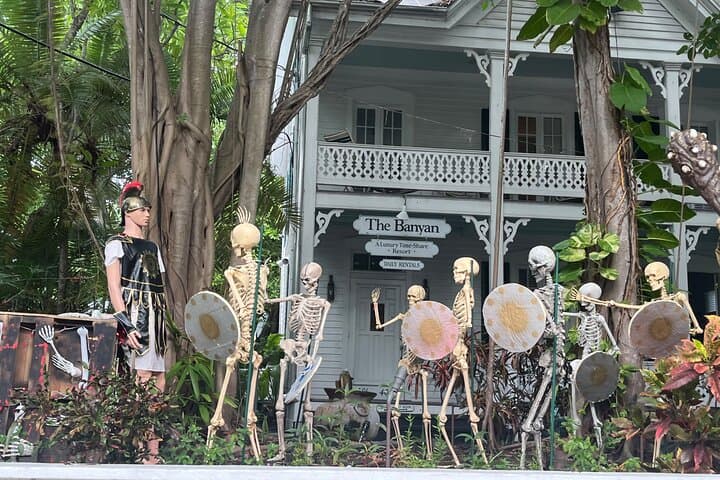
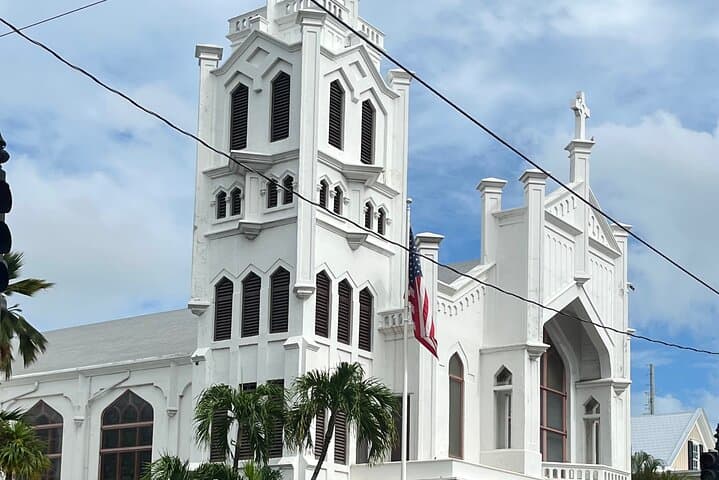
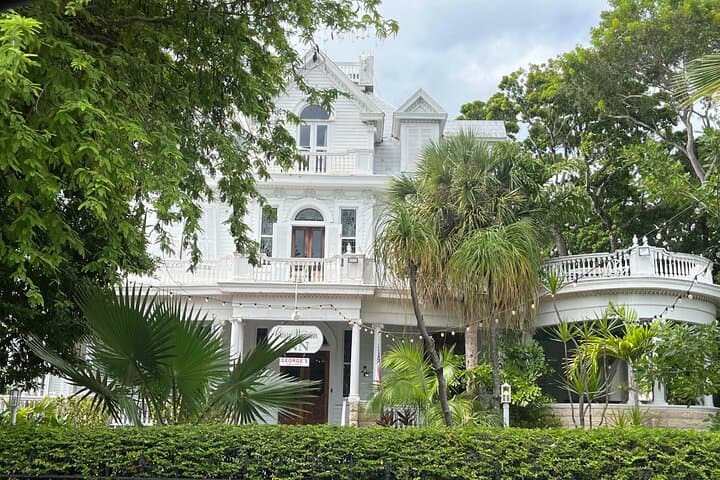
Night settles over Old Town Key West and the orange streetlights throw long, familiar shadows across cracked sidewalks. You meet at the black gate in front of St. Paul Episcopal Church; the church bell counts down and the guide begins to walk, voice lowering as you move into alleys where the salt breeze seems to listen.
Night settles over Old Town Key West and the orange streetlights throw long, familiar shadows across cracked sidewalks. You meet at the black gate in front of St. Paul Episcopal Church; the church bell counts down and the guide begins to walk, voice lowering as you move into alleys where the salt breeze seems to listen.
Cayo Hueso—Spanish for "island of bones"—is a name born of shipwrecks, cemeteries, and the blunt realities of 19th‑century coastal life. The island itself is limestone capped by sand and mangrove peat; its low profile and coral base have shaped both the town’s layout and its stories. Tonight’s route threads past clapboard homes and clapboard businesses, where Bahamian and Cuban influences left not just recipes and music but a string of ghost stories tied to particular doorways.
The tour blends local lore with documented history: sailors, wreckers, and namesakes of neighborhoods like Bahama Village appear in the tales. Architecture plays a role too—porches, cupolas, and narrow courtyards amplify echoes and create the right stage for a ghost story.
Practical guide: it’s a 75‑minute walking tour on mostly flat sidewalks and historic paving; wear closed shoes and bring a light jacket for coastal breezes. Photography is welcome—guides sometimes point out angles where old photographs were taken. The group size is small, so expect an intimate pace with pauses for storytelling. If you’re curious about Key West’s darker past and want an atmospheric, accessible stroll through the island’s oldest streets, this tour pairs history with a few well‑told frights.