THE ADVENTURE COLLECTIVE® · Independent discovery and booking for outdoor travel

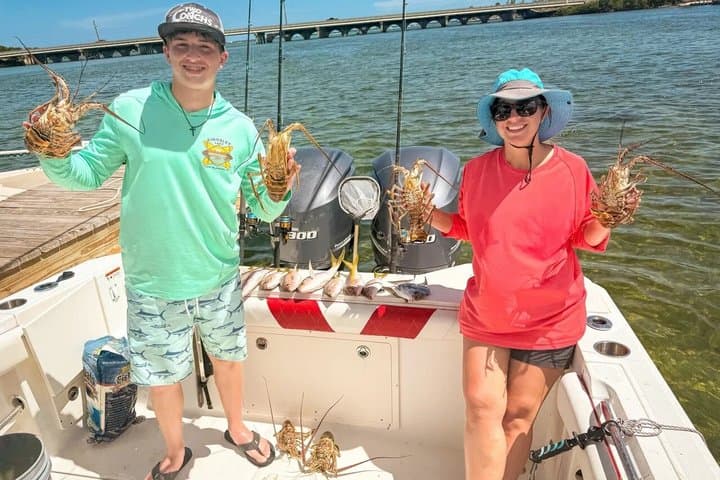
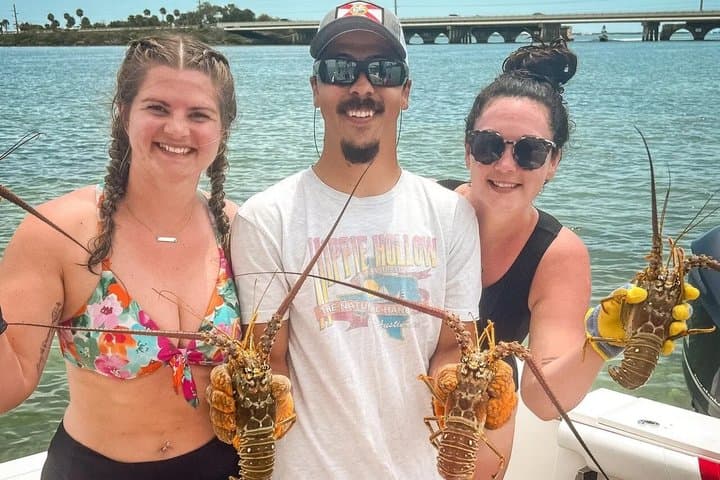
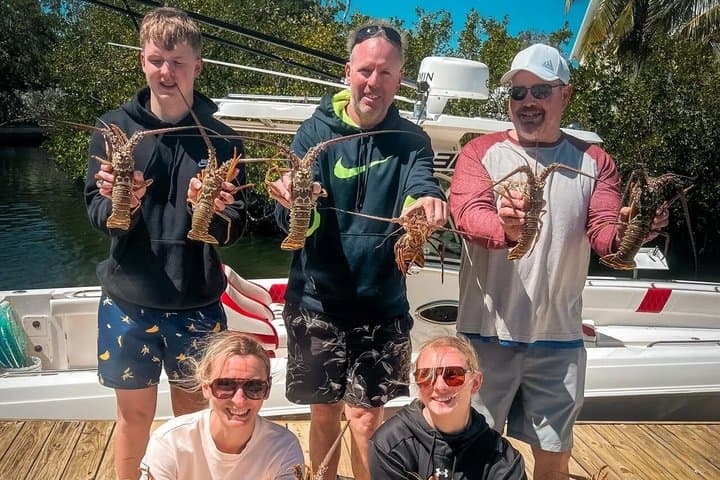
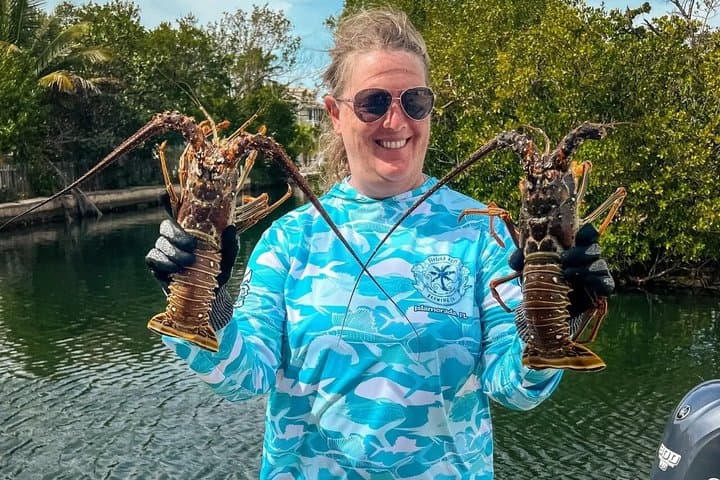
Spend four hours chasing Caribbean spiny lobster off Key West on a private charter that includes your license and lobster stamp. Expect shallow reef snorkeling, short boat hops between productive grounds, and practical instruction for harvesting legally and safely.
Spend four hours chasing Caribbean spiny lobster off Key West on a private charter that includes your license and lobster stamp. Expect shallow reef snorkeling, short boat hops between productive grounds, and practical instruction for harvesting legally and safely.
The boat eases away from Key West’s harbor and the city grid shrinks into a band of sunlit roofs. Salt stings the air while the captain scans a map of patch reefs — reefs that keep their secrets in crevices and coral heads where Caribbean spiny lobster hide. The water dares you: clear enough to see a tail tuck beneath a ledge, the current nudging the boat like a patient guide.
Verified experiences and guided adventures in the surrounding area.
Operated by Lower key’s Offshore Adventures · Key West, Florida
The boat eases away from Key West’s harbor and the city grid shrinks into a band of sunlit roofs. Salt stings the air while the captain scans a map of patch reefs — reefs that keep their secrets in crevices and coral heads where Caribbean spiny lobster hide. The water dares you: clear enough to see a tail tuck beneath a ledge, the current nudging the boat like a patient guide.
The Florida Keys are a coral-reef archipelago shaped by millennia of reef growth and shifting shoals. Lobstering here is seasonal and practical — a regulated harvest with roots in local subsistence and commercial fisheries. Today’s charters follow strict state rules: season dates, size limits and required stamps that protect stocks and the reef.
On a 4-hour private trip (up to six), expect a mix of shallow reef snorkeling and short boat hops between spots. The operator supplies the fishing license and lobster stamp; guests bring masks and fins. Water temps range from warm in summer to mild in winter; a thin wetsuit or rash guard helps early or late season. Bring reef-safe sunscreen, a hat, and a dry bag for your phone.
Safety is straightforward: listen to the briefing, avoid touching coral, and follow harvest rules. Morning trips give calmer seas and clearer visibility; afternoons can bring wind but softer light. This is a hands-on, small-group outing — equal parts marine biology and old-school catch-your-dinner practicality.
For people who want to add fishing, some operators combine both: reel for a trophy, then dive for dinner.
moderate.
4 hours.
Suitable for people in average physical condition; basic swimming and snorkeling ability recommended.
Yes—this charter includes the Florida fishing license and lobster stamp required for legal harvest during lobster season.
Trips are private for groups up to six people.
Basic snorkeling skills are recommended; guides provide orientation and safety briefings for less experienced swimmers.
The operator will cancel unsafe trips; full refunds are available if you cancel at least 24 hours before departure or if the operator cancels due to weather.
Lobstering in the Keys grew alongside commercial fishing traditions; modern season limits and stamps were introduced to sustain stocks and reef ecosystems.
Strict season dates, size limits and venting requirements protect lobster populations; guests should avoid standing on coral and use reef‑safe sunscreen to reduce reef damage.
Lower key’s Offshore Adventures operates guided outdoor trips and adventures with an emphasis on safety, stewardship, and memorable experiences.
The boat eases away from Key West’s harbor and the city grid shrinks into a band of sunlit roofs. Salt stings the air while the captain scans a map of patch reefs — reefs that keep their secrets in crevices and coral heads where Caribbean spiny lobster hide. The water dares you: clear enough to see a tail tuck beneath a ledge, the current nudging the boat like a patient guide.
The boat eases away from Key West’s harbor and the city grid shrinks into a band of sunlit roofs. Salt stings the air while the captain scans a map of patch reefs — reefs that keep their secrets in crevices and coral heads where Caribbean spiny lobster hide. The water dares you: clear enough to see a tail tuck beneath a ledge, the current nudging the boat like a patient guide.
The Florida Keys are a coral-reef archipelago shaped by millennia of reef growth and shifting shoals. Lobstering here is seasonal and practical — a regulated harvest with roots in local subsistence and commercial fisheries. Today’s charters follow strict state rules: season dates, size limits and required stamps that protect stocks and the reef.
On a 4-hour private trip (up to six), expect a mix of shallow reef snorkeling and short boat hops between spots. The operator supplies the fishing license and lobster stamp; guests bring masks and fins. Water temps range from warm in summer to mild in winter; a thin wetsuit or rash guard helps early or late season. Bring reef-safe sunscreen, a hat, and a dry bag for your phone.
Safety is straightforward: listen to the briefing, avoid touching coral, and follow harvest rules. Morning trips give calmer seas and clearer visibility; afternoons can bring wind but softer light. This is a hands-on, small-group outing — equal parts marine biology and old-school catch-your-dinner practicality.
For people who want to add fishing, some operators combine both: reel for a trophy, then dive for dinner.