THE ADVENTURE COLLECTIVE® · Independent discovery and booking for outdoor travel

Float over white sand and shallow tropical water on a 3‑hour Key Largo sandbar excursion. This easy, family‑friendly outing delivers calm swimming, shallow snorkeling and long stretches of sun‑bright flats.
Float over white sand and shallow tropical water on a 3‑hour Key Largo sandbar excursion. This easy, family‑friendly outing delivers calm swimming, shallow snorkeling and long stretches of sun‑bright flats.
The motor hum fades and the horizon opens: a low, bright ribbon of white sand edges into clear, shallow water. On Key Largo’s sandbar the ocean seems to take a breath—gentle currents nudging, sunlight flaring off glassy flats—while groups spread out on floating pads and towels, music low, cold drinks passing hand to hand.
Verified experiences and guided adventures in the surrounding area.
Operated by KEY LARGO BOAT CHARTERS · Key Largo, Florida
The motor hum fades and the horizon opens: a low, bright ribbon of white sand edges into clear, shallow water. On Key Largo’s sandbar the ocean seems to take a breath—gentle currents nudging, sunlight flaring off glassy flats—while groups spread out on floating pads and towels, music low, cold drinks passing hand to hand.
These sandbars are the visible lips of a larger reef and seagrass system that formed from ancient coral and shifting tides. For centuries the Keys have been shaped by coral growth, storms and trades; today the flats sit between boating channels and nearshore reefs, offering a low-elevation playground rather than a climb. The culture around sandbars is informal and convivial—families, anglers, and snorkelers trade tips about shallow channels and fishable edges.
Expect a 3‑hour outing from a Key Largo launch point, an easy, flat experience with no elevation gain. Sandbars typically rest within a few hundred meters of shore and are waist-to-chest deep at high tide, shallower at low tide. Conditions shift with wind and tide: currents can widen channels and expose new sand. Plan for sun and reflective water—shade and reef‑safe sunscreen are essential. Bring water, secure floatation for kids, and avoid trampling nearby seagrass. For wildlife, look for sergeant majors, small rays and foraging shorebirds along the margins. If you want calmer waters, aim for morning departures before onshore winds build.
Logistics are straightforward: most trips provide coolers and basic floatation; confirm rules on alcohol, infants, and pets ahead of time. With simple prep—hydration, shade, reef‑safe sunscreen—you’ll trade the road for a few hours of low-slung salt air and slow water that seems eager to hold you up.
easy.
3 hours.
Suitable for most fitness levels; requires basic mobility to board a small boat and wade on sand flats.
Sandbars used for these excursions typically sit within a few hundred meters of the launch point; exact distance depends on tide and channel positions.
Yes—many operators accommodate families, but children should wear PFDs and be supervised near channels and deeper patches.
You can snorkel around the edges where the sand meets seagrass or deeper channels; bring basic gear and avoid stepping on seagrass or coral.
Operators monitor conditions; cancellations usually follow unsafe wind or storm forecasts—confirm the cancellation policy and check weather before departure.
The Florida Keys formed from ancient coral and sand accumulation; sandbars are dynamic features shaped by tides, storms and reef growth that local mariners have used for decades as day‑use spots.
Stay off seagrass beds and use reef‑safe sunscreen; sandbars and nearby reefs are fragile and benefit from low‑impact behavior and proper waste removal.
KEY LARGO BOAT CHARTERS operates guided outdoor trips and adventures with an emphasis on safety, stewardship, and memorable experiences.
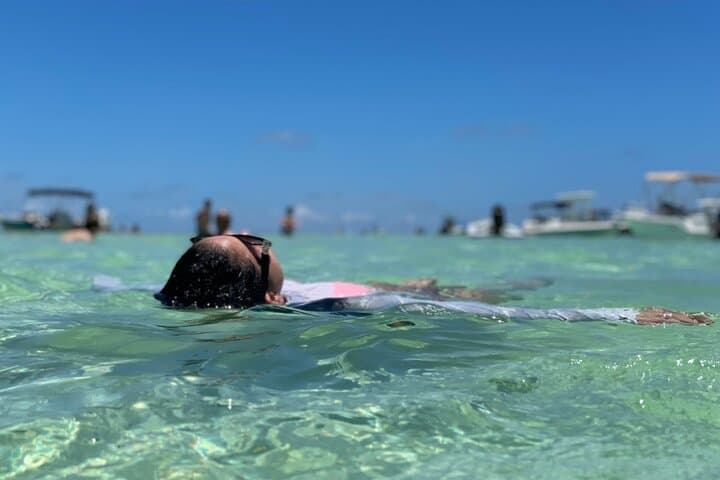
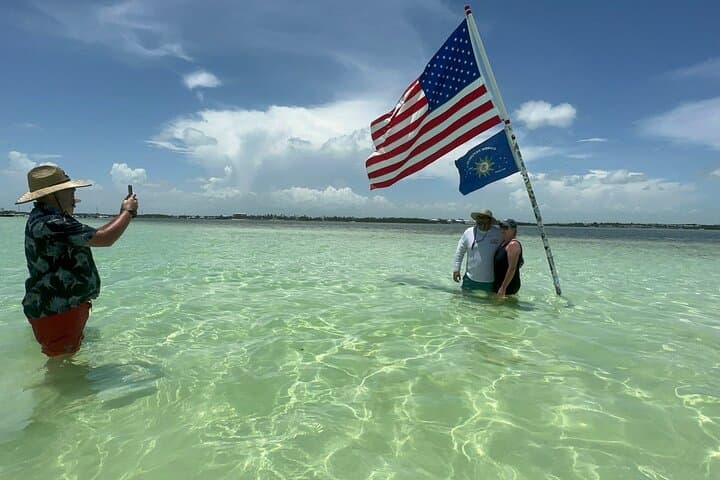
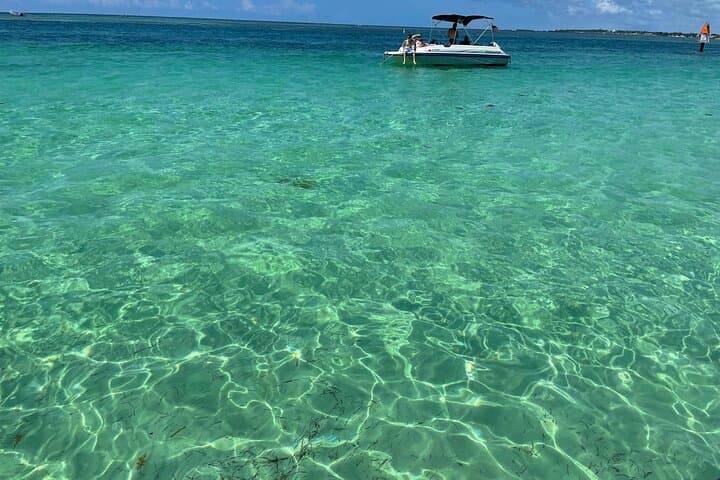
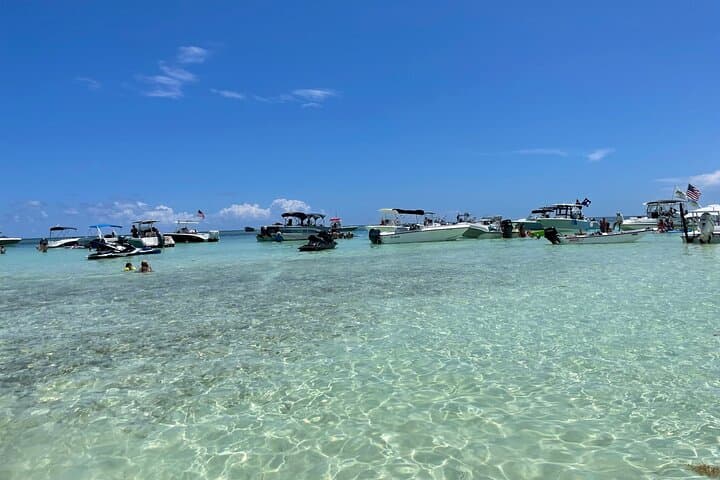
The motor hum fades and the horizon opens: a low, bright ribbon of white sand edges into clear, shallow water. On Key Largo’s sandbar the ocean seems to take a breath—gentle currents nudging, sunlight flaring off glassy flats—while groups spread out on floating pads and towels, music low, cold drinks passing hand to hand.
The motor hum fades and the horizon opens: a low, bright ribbon of white sand edges into clear, shallow water. On Key Largo’s sandbar the ocean seems to take a breath—gentle currents nudging, sunlight flaring off glassy flats—while groups spread out on floating pads and towels, music low, cold drinks passing hand to hand.
These sandbars are the visible lips of a larger reef and seagrass system that formed from ancient coral and shifting tides. For centuries the Keys have been shaped by coral growth, storms and trades; today the flats sit between boating channels and nearshore reefs, offering a low-elevation playground rather than a climb. The culture around sandbars is informal and convivial—families, anglers, and snorkelers trade tips about shallow channels and fishable edges.
Expect a 3‑hour outing from a Key Largo launch point, an easy, flat experience with no elevation gain. Sandbars typically rest within a few hundred meters of shore and are waist-to-chest deep at high tide, shallower at low tide. Conditions shift with wind and tide: currents can widen channels and expose new sand. Plan for sun and reflective water—shade and reef‑safe sunscreen are essential. Bring water, secure floatation for kids, and avoid trampling nearby seagrass. For wildlife, look for sergeant majors, small rays and foraging shorebirds along the margins. If you want calmer waters, aim for morning departures before onshore winds build.
Logistics are straightforward: most trips provide coolers and basic floatation; confirm rules on alcohol, infants, and pets ahead of time. With simple prep—hydration, shade, reef‑safe sunscreen—you’ll trade the road for a few hours of low-slung salt air and slow water that seems eager to hold you up.