THE ADVENTURE COLLECTIVE® · Independent discovery and booking for outdoor travel

Step aboard a 45‑ft catamaran at Amoray Dive Resort for a four‑hour snorkel run to two reef locations in the Florida Keys National Marine Sanctuary. Expect vivid coral gardens, abundant fish life, expert local captains, and practical snorkeling support—gear, snacks, and chilled water included.
Step aboard a 45‑ft catamaran at Amoray Dive Resort for a four‑hour snorkel run to two reef locations in the Florida Keys National Marine Sanctuary. Expect vivid coral gardens, abundant fish life, expert local captains, and practical snorkeling support—gear, snacks, and chilled water included.
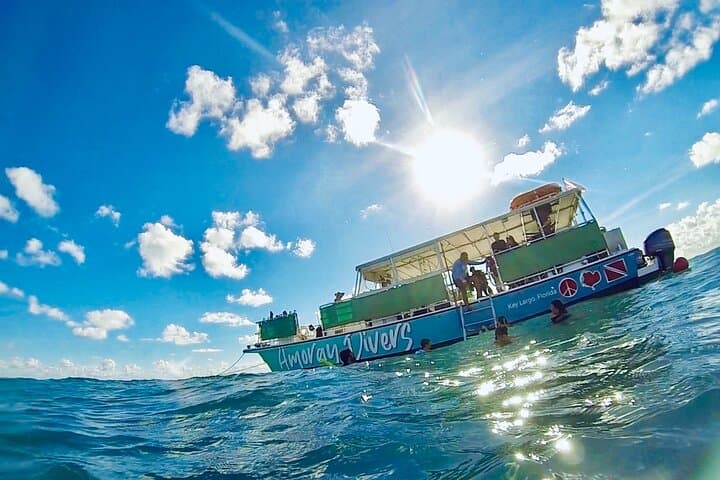
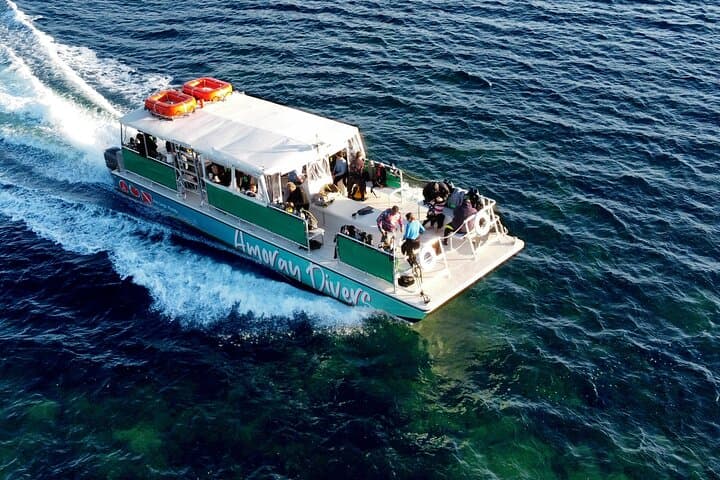
The catamaran slips away from the mangrove-strewn shoreline and the Atlantic opens like a liberated horizon—blue pressing to the edge of sight. Onboard, the 45‑foot power catamaran hums with a casual efficiency: shaded benches, a wide deck, and the easy banter of captains who read currents the way others read maps. Within twenty minutes you’re beyond the commuter traffic of US 1 and into the Florida Keys National Marine Sanctuary, where the reef drops away and shoals of wrasse and parrotfish begin to materialize.
Verified experiences and guided adventures in the surrounding area.
Operated by Amoray Dive Center · Key Largo, Florida
The catamaran slips away from the mangrove-strewn shoreline and the Atlantic opens like a liberated horizon—blue pressing to the edge of sight. Onboard, the 45‑foot power catamaran hums with a casual efficiency: shaded benches, a wide deck, and the easy banter of captains who read currents the way others read maps. Within twenty minutes you’re beyond the commuter traffic of US 1 and into the Florida Keys National Marine Sanctuary, where the reef drops away and shoals of wrasse and parrotfish begin to materialize.
This four‑hour half‑day outing from Amoray Dive Resort at Mile Marker 104 focuses on two reef sites chosen for that day’s wind and visibility. The route typically threads through the boat canal that skirts John Pennekamp Coral Reef State Park—America’s first undersea park—and onto coral gardens that are part of the third largest barrier reef system on Earth. Geologically the Keys are a remnant reef and fossilized oolitic limestone; the modern living reef grows atop that foundation, branching and encrusting and demanding care.
Culturally, Key Largo carries the easygoing imprint of old Florida—bait shops, tiki roofs, and dive shops that treat you like a neighbor. The captains here often grew up on the water; their tips about where to drift, how to approach a turtle, or when to hang back for an eagle ray come from seasons spent reading swell lines and fish behavior.
For travelers this trip is an access point to marine life without the commitment of a full dive. Snorkel gear is included, and guides brief groups on reef etiquette: no touching, no kicking, and the importance of reef‑safe sunscreen. Light snacks and chilled water are provided; a large cooler is on board should you bring extra drinks.
Practical notes: arrive at the Amoray reception 30 minutes early to check in. Expect two ocean swims from the boat—conditions decide the exact sites—so bring a towel, swimwear under your clothes, reef‑safe sunscreen, and a light windbreaker for the trip out. If you’re prone to seasickness, take medication in advance; the captains will find calm anchorages when possible, but the Atlantic can still push you around.
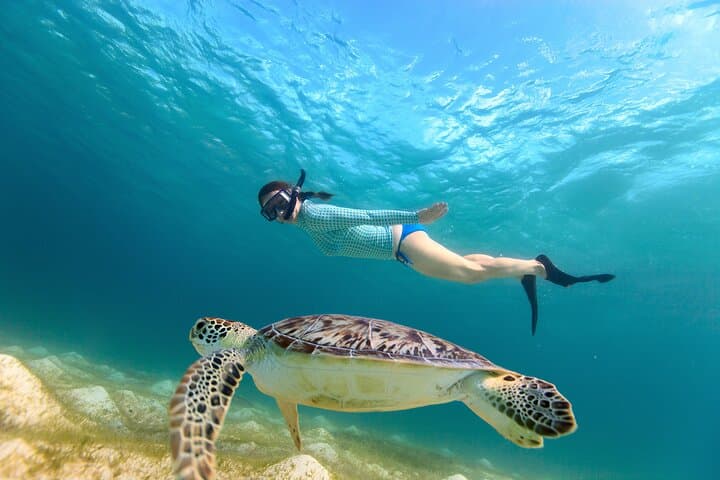
Respect the reef. Corals recover slowly; your best souvenir is a memory and a handful of photos. For families with older children and for first‑time snorkelers this excursion delivers close encounters with corals, tropical fish, and the occasional turtle, all framed by the steady, comforting efficiency of a local crew who knows these waters intimately.
moderate.
4 hours.
Moderate fitness—able to climb a ladder, step in and out of the water, and handle short swims in open water.
The four‑hour trip includes a 45‑ft catamaran ride, two snorkel stops, snorkel equipment, light snacks, and chilled water.
No—basic swimming skills are sufficient; guides provide a safety briefing and help with gear if needed.
Children can join but it’s not recommended for kids under 5; infants must sit on an adult’s lap during transit.
Trips may be canceled or rescheduled for bad weather or unsafe sea conditions; full refund if canceled 24 hours prior.
Shared trips can have up to 35 guests—book in advance during high season to secure space.
Yes—the boat has a large cooler for extra drinks and snacks, but glass is discouraged and trash must be taken back to shore.
John Pennekamp Coral Reef State Park, established in 1963, was the first undersea park in the U.S. and helped catalyze marine conservation in the Keys.
The reef here is fragile—operators follow sanctuary rules; use reef‑safe products, avoid handling marine life, and support local conservation fees when offered.
Amoray Dive Center operates guided outdoor trips and adventures with an emphasis on safety, stewardship, and memorable experiences.
The catamaran slips away from the mangrove-strewn shoreline and the Atlantic opens like a liberated horizon—blue pressing to the edge of sight. Onboard, the 45‑foot power catamaran hums with a casual efficiency: shaded benches, a wide deck, and the easy banter of captains who read currents the way others read maps. Within twenty minutes you’re beyond the commuter traffic of US 1 and into the Florida Keys National Marine Sanctuary, where the reef drops away and shoals of wrasse and parrotfish begin to materialize.
The catamaran slips away from the mangrove-strewn shoreline and the Atlantic opens like a liberated horizon—blue pressing to the edge of sight. Onboard, the 45‑foot power catamaran hums with a casual efficiency: shaded benches, a wide deck, and the easy banter of captains who read currents the way others read maps. Within twenty minutes you’re beyond the commuter traffic of US 1 and into the Florida Keys National Marine Sanctuary, where the reef drops away and shoals of wrasse and parrotfish begin to materialize.
This four‑hour half‑day outing from Amoray Dive Resort at Mile Marker 104 focuses on two reef sites chosen for that day’s wind and visibility. The route typically threads through the boat canal that skirts John Pennekamp Coral Reef State Park—America’s first undersea park—and onto coral gardens that are part of the third largest barrier reef system on Earth. Geologically the Keys are a remnant reef and fossilized oolitic limestone; the modern living reef grows atop that foundation, branching and encrusting and demanding care.
Culturally, Key Largo carries the easygoing imprint of old Florida—bait shops, tiki roofs, and dive shops that treat you like a neighbor. The captains here often grew up on the water; their tips about where to drift, how to approach a turtle, or when to hang back for an eagle ray come from seasons spent reading swell lines and fish behavior.
For travelers this trip is an access point to marine life without the commitment of a full dive. Snorkel gear is included, and guides brief groups on reef etiquette: no touching, no kicking, and the importance of reef‑safe sunscreen. Light snacks and chilled water are provided; a large cooler is on board should you bring extra drinks.
Practical notes: arrive at the Amoray reception 30 minutes early to check in. Expect two ocean swims from the boat—conditions decide the exact sites—so bring a towel, swimwear under your clothes, reef‑safe sunscreen, and a light windbreaker for the trip out. If you’re prone to seasickness, take medication in advance; the captains will find calm anchorages when possible, but the Atlantic can still push you around.
Respect the reef. Corals recover slowly; your best souvenir is a memory and a handful of photos. For families with older children and for first‑time snorkelers this excursion delivers close encounters with corals, tropical fish, and the occasional turtle, all framed by the steady, comforting efficiency of a local crew who knows these waters intimately.