THE ADVENTURE COLLECTIVE® · Independent discovery and booking for outdoor travel

Spend a seamless day in Key Largo visiting John Pennekamp Coral Reef State Park, feeding tarpon at Robbie’s Marina, and finishing with a waterfront sunset at Gilbert’s Resort. This full-day private tour handles transport and timing so you can focus on reef life, dockside drama, and the perfect last light.
Spend a seamless day in Key Largo visiting John Pennekamp Coral Reef State Park, feeding tarpon at Robbie’s Marina, and finishing with a waterfront sunset at Gilbert’s Resort. This full-day private tour handles transport and timing so you can focus on reef life, dockside drama, and the perfect last light.
You step out of an air-conditioned van and the salt hangs in the air like an invitation. The Overseas Highway hums behind you; ahead, the shallow Atlantic is a sheet of glass broken by the dark halos of coral heads. This is Key Largo—where the land thins and the ocean begins to assert itself—and a single, well-paced day can give you both the reef’s slow, technicolor life and a sunset that stages its own close.
Verified experiences and guided adventures in the surrounding area.
Operated by Driver Transfer Miami · Key Largo, Florida
You step out of an air-conditioned van and the salt hangs in the air like an invitation. The Overseas Highway hums behind you; ahead, the shallow Atlantic is a sheet of glass broken by the dark halos of coral heads. This is Key Largo—where the land thins and the ocean begins to assert itself—and a single, well-paced day can give you both the reef’s slow, technicolor life and a sunset that stages its own close.
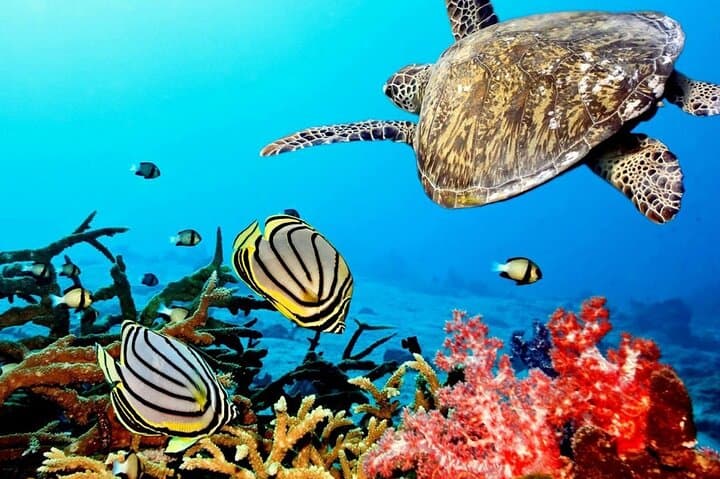
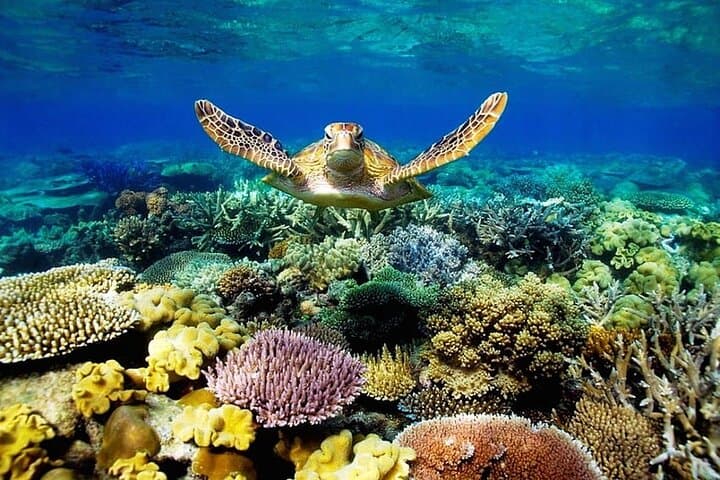
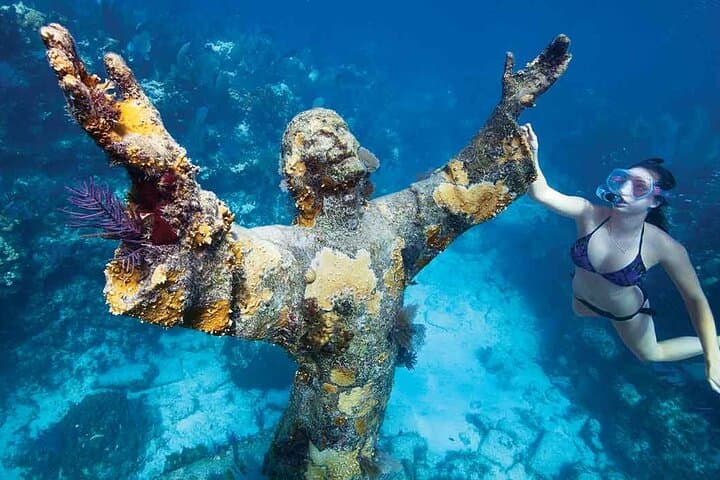
The tour centers on John Pennekamp Coral Reef State Park, America’s first undersea park, founded in 1963. The park’s shallow reefs formed over thousands of years as tiny organisms laid down calcium carbonate, building structures that now shelter parrotfish, brain coral, and the occasional nurse shark. Historically, the Keys were a crossroads: Bahamian wreckers, Cuban fishermen and early Florida homesteaders shaped the culture you see—lanes of bait shops, hand-lettered signage, and dockside restaurants that trade stories as readily as fish.
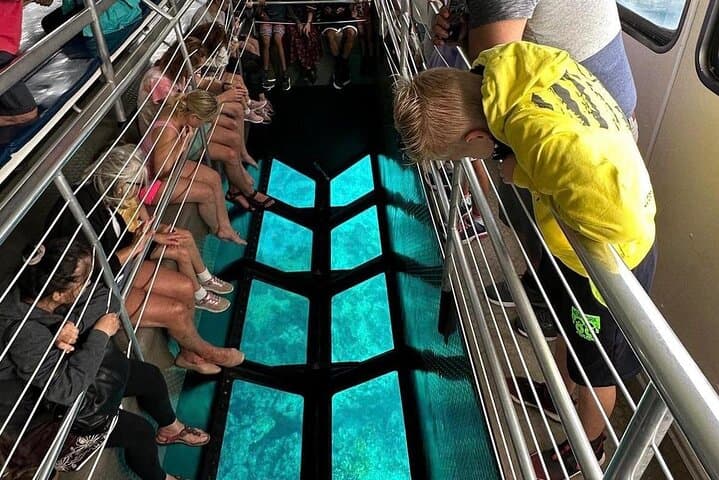
Your guide drops you at Pennekamp with time to choose a short glass-bottom boat ride or walk the park’s hammocks. Trails are short—roughly 0.5–1 mile roundtrip—and almost flat; the work is not elevation but humidity. The reef below feels alive; currents nudge the boat and the water seems to lean toward the sun, daring you to follow.
From there you’ll drift to Robbie’s Marina, a rowdy, good-natured place where giant tarpon gather like living sculptures, mouths open for the buckets of fish sold on the dock. Feeding a tarpon is loud and immediate—an animal encounter that’s part carnival, part natural history lesson.
The day closes at Gilbert’s Resort, a local hangout where live music and conch fritters keep pace with the sun. As light thins, the shoreline silhouettes against a burnished sky; boats bob like punctuation marks. It’s a ritual: workers, families and anglers coming together to watch the horizon pull the day behind it.
Practical guidance: the experience is a full-day outing—expect about eight hours in total. Transportation, parking and timing are handled by the operator, but admissions and any water excursions, lunches and tarpon-feed buckets are typically extra—carry cash or a card. Bring reef-safe sunscreen, a reusable water bottle, light layers for the cooling evening breeze and a small waterproof bag for your phone and camera.
Timing matters: mornings are best for reef clarity and cooler air; the sunset stop is deliberately late to maximize golden hour light. If you’re prone to motion sickness, take precautions before the boat ride. Respect the reef—no touching corals or feeding wildlife—and consider a brief download of local reef rules before you go.
This is a compact day that stitches together natural history, a hands-on wildlife moment and a communal sunset celebration: a practical, sensory primer on why the Keys remain one of the country’s most compelling coastal adventures.
easy.
8 hours.
Suitable for most fitness levels—activities are low-impact but include short walks and optional boat rides.
No—admission to John Pennekamp and any water-based excursions are generally not included and can be purchased on-site.
Water activities are not included; you can usually book snorkeling or glass-bottom boat rides at Pennekamp directly, weather permitting.
Lunch is not included; there are casual restaurants and snack options at Robbie’s and Gilbert’s, or bring your own packed lunch.
Yes—operators offer infant seats for transport and the itinerary is family-friendly, though parental supervision is required at docks and on boats.
Driving from Miami to Key Largo takes roughly 1–1.5 hours depending on traffic; the tour handles pickup from many local hotels.
Trips operate in most weather, but glass-bottom and snorkel options depend on sea state—check with the operator the day before and bring motion-sickness remedies if needed.
John Pennekamp was designated the nation’s first undersea park in 1963 to protect nearshore coral reefs and marine life along the upper Keys.
Boat operators and the park emphasize reef-safe sunscreen, no-touch rules, and limiting anchor damage—visitors should follow posted guidelines to minimize impacts.
Driver Transfer Miami operates guided outdoor trips and adventures with an emphasis on safety, stewardship, and memorable experiences.
You step out of an air-conditioned van and the salt hangs in the air like an invitation. The Overseas Highway hums behind you; ahead, the shallow Atlantic is a sheet of glass broken by the dark halos of coral heads. This is Key Largo—where the land thins and the ocean begins to assert itself—and a single, well-paced day can give you both the reef’s slow, technicolor life and a sunset that stages its own close.
You step out of an air-conditioned van and the salt hangs in the air like an invitation. The Overseas Highway hums behind you; ahead, the shallow Atlantic is a sheet of glass broken by the dark halos of coral heads. This is Key Largo—where the land thins and the ocean begins to assert itself—and a single, well-paced day can give you both the reef’s slow, technicolor life and a sunset that stages its own close.
The tour centers on John Pennekamp Coral Reef State Park, America’s first undersea park, founded in 1963. The park’s shallow reefs formed over thousands of years as tiny organisms laid down calcium carbonate, building structures that now shelter parrotfish, brain coral, and the occasional nurse shark. Historically, the Keys were a crossroads: Bahamian wreckers, Cuban fishermen and early Florida homesteaders shaped the culture you see—lanes of bait shops, hand-lettered signage, and dockside restaurants that trade stories as readily as fish.
Your guide drops you at Pennekamp with time to choose a short glass-bottom boat ride or walk the park’s hammocks. Trails are short—roughly 0.5–1 mile roundtrip—and almost flat; the work is not elevation but humidity. The reef below feels alive; currents nudge the boat and the water seems to lean toward the sun, daring you to follow.
From there you’ll drift to Robbie’s Marina, a rowdy, good-natured place where giant tarpon gather like living sculptures, mouths open for the buckets of fish sold on the dock. Feeding a tarpon is loud and immediate—an animal encounter that’s part carnival, part natural history lesson.
The day closes at Gilbert’s Resort, a local hangout where live music and conch fritters keep pace with the sun. As light thins, the shoreline silhouettes against a burnished sky; boats bob like punctuation marks. It’s a ritual: workers, families and anglers coming together to watch the horizon pull the day behind it.
Practical guidance: the experience is a full-day outing—expect about eight hours in total. Transportation, parking and timing are handled by the operator, but admissions and any water excursions, lunches and tarpon-feed buckets are typically extra—carry cash or a card. Bring reef-safe sunscreen, a reusable water bottle, light layers for the cooling evening breeze and a small waterproof bag for your phone and camera.
Timing matters: mornings are best for reef clarity and cooler air; the sunset stop is deliberately late to maximize golden hour light. If you’re prone to motion sickness, take precautions before the boat ride. Respect the reef—no touching corals or feeding wildlife—and consider a brief download of local reef rules before you go.
This is a compact day that stitches together natural history, a hands-on wildlife moment and a communal sunset celebration: a practical, sensory primer on why the Keys remain one of the country’s most compelling coastal adventures.