THE ADVENTURE COLLECTIVE® · Independent discovery and booking for outdoor travel

Walk avenues of tulips and hyacinths at Keukenhof on a full-day trip from Rotterdam, Delft or The Hague. This practical guide explains what to expect, when to visit, and how to make the most of peak spring blooms.
Walk avenues of tulips and hyacinths at Keukenhof on a full-day trip from Rotterdam, Delft or The Hague. This practical guide explains what to expect, when to visit, and how to make the most of peak spring blooms.
A lane of tulips unfurls like a painted ribbon under a cool Dutch sky as the tour bus drops you near Keukenhof’s main entrance. You step into avenues where rows of color push forward and fragrance nudges the air — crocuses and hyacinths opening like small fireworks after winter’s hold.
Verified experiences and guided adventures in the surrounding area.
Operated by Alex · Lisse, South Holland
A lane of tulips unfurls like a painted ribbon under a cool Dutch sky as the tour bus drops you near Keukenhof’s main entrance. You step into avenues where rows of color push forward and fragrance nudges the air — crocuses and hyacinths opening like small fireworks after winter’s hold.
Keukenhof sits in Lisse on grounds that were once kitchen gardens for regional estates; the park in its present form opened in 1950 to showcase bulb growers’ best work. The low dunes and reclaimed polders around the park shape the flat, fertile soil that bulb farmers have used for centuries, while windmills on the horizon mark a human touch to the landscape.
Culturally, the gardens reflect Dutch bulb-industry craftsmanship: themed flower pavilions, sculpted beds and seasonal exhibitions that change week to week. Visitors can watch gardeners at work and learn how millions of tulip and hyacinth bulbs are rotated each year.
Practical guidance: expect a 6–7 hour outing with walking on paved paths and boardwalks; comfortable shoes and a light rain layer cover most weather. Photography is excellent in mid-April when peak bloom usually occurs, but crowds swell on weekends and cruise-ship arrival days. Tours from Rotterdam or The Hague typically use cars, vans or minibuses depending on bookings; entrance is commonly included, and meeting-up at hotels can be arranged. Bring a reusable bottle, arrive early to find quieter spots, and leave flowers rooted — the park depends on bulb rotation and volunteer efforts to keep displays healthy.
easy.
6–7 hours.
Suitable for most fitness levels; participants should be able to walk 2–4 miles at a relaxed pace.
Most tour prices include entrance fees to Keukenhof; confirm at booking as some packages may list it separately.
The outing typically lasts 6–7 hours (360–420 minutes), including transport time from Rotterdam, Delft or The Hague and 3–4 hours inside the park.
This is a shared group tour, not private; transportation may be a private car for very small groups or a van/minibus for larger groups.
Many paths are paved and most areas are accessible, but some sections and special exhibits may have limited access—check with the operator for specific needs.
Keukenhof’s grounds trace back to estate kitchen gardens; the public park opened in 1950 to promote the Dutch bulb industry.
Bulb displays are rotated and replanted annually; visitors are asked not to pick flowers and to follow marked paths to protect plantings and soil structure.
Alex operates guided outdoor trips and adventures with an emphasis on safety, stewardship, and memorable experiences.
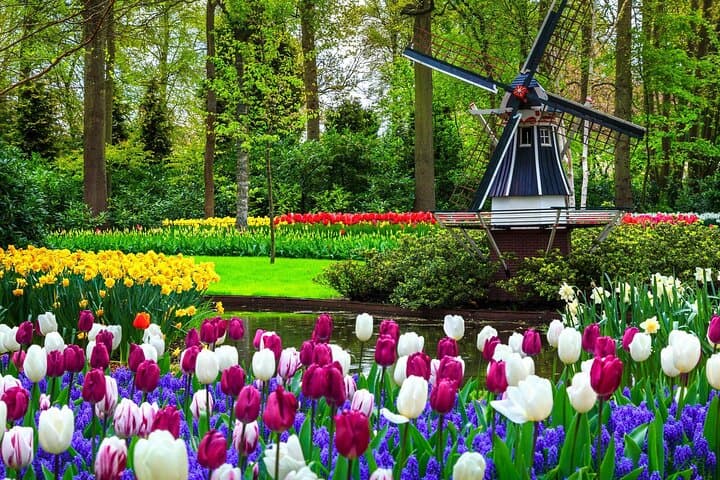
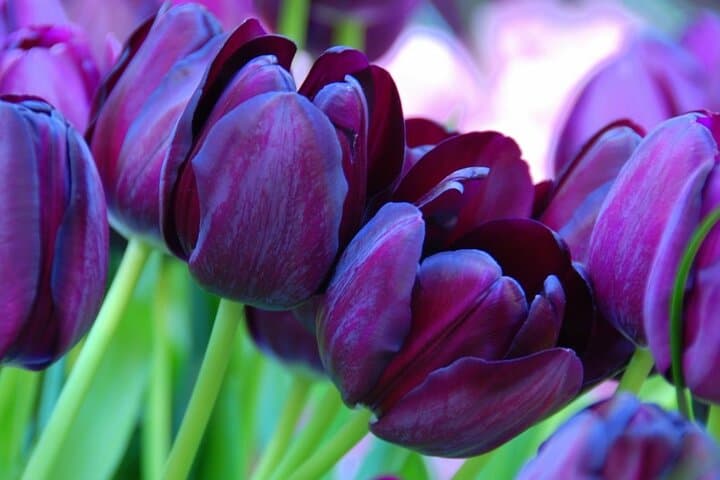
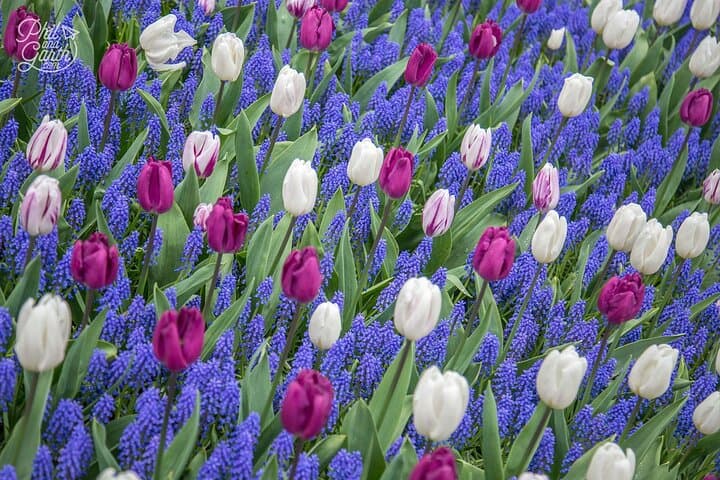
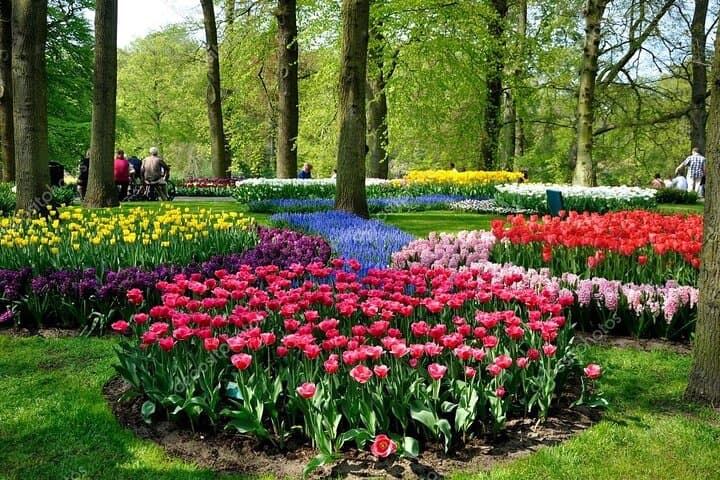
A lane of tulips unfurls like a painted ribbon under a cool Dutch sky as the tour bus drops you near Keukenhof’s main entrance. You step into avenues where rows of color push forward and fragrance nudges the air — crocuses and hyacinths opening like small fireworks after winter’s hold.
A lane of tulips unfurls like a painted ribbon under a cool Dutch sky as the tour bus drops you near Keukenhof’s main entrance. You step into avenues where rows of color push forward and fragrance nudges the air — crocuses and hyacinths opening like small fireworks after winter’s hold.
Keukenhof sits in Lisse on grounds that were once kitchen gardens for regional estates; the park in its present form opened in 1950 to showcase bulb growers’ best work. The low dunes and reclaimed polders around the park shape the flat, fertile soil that bulb farmers have used for centuries, while windmills on the horizon mark a human touch to the landscape.
Culturally, the gardens reflect Dutch bulb-industry craftsmanship: themed flower pavilions, sculpted beds and seasonal exhibitions that change week to week. Visitors can watch gardeners at work and learn how millions of tulip and hyacinth bulbs are rotated each year.
Practical guidance: expect a 6–7 hour outing with walking on paved paths and boardwalks; comfortable shoes and a light rain layer cover most weather. Photography is excellent in mid-April when peak bloom usually occurs, but crowds swell on weekends and cruise-ship arrival days. Tours from Rotterdam or The Hague typically use cars, vans or minibuses depending on bookings; entrance is commonly included, and meeting-up at hotels can be arranged. Bring a reusable bottle, arrive early to find quieter spots, and leave flowers rooted — the park depends on bulb rotation and volunteer efforts to keep displays healthy.