THE ADVENTURE COLLECTIVE® · Independent discovery and booking for outdoor travel

Spend two hours exploring Ketchikan’s coastal highlights with a local guide: watch salmon at the ladder, comb black sand beaches, search for wildlife, and visit a dramatic waterfall. Practical, accessible, and rich in natural history.
Spend two hours exploring Ketchikan’s coastal highlights with a local guide: watch salmon at the ladder, comb black sand beaches, search for wildlife, and visit a dramatic waterfall. Practical, accessible, and rich in natural history.
A humid breath of Sitka spruce and seawater rises as your guide waits by the six‑figure bronze “The Rock” on Dock 2. Within minutes the town slips behind you and the rainforest presses close—ferns brushing the bus windows, gulls arguing over a tide pool. The tour threads short walks and roadside stops into a compact narrative: a salmon ladder where fish push upriver, black sand beaches lined with driftwood, coastal meadows watching for seals, and a south-end waterfall that frames the horizon.
Verified experiences and guided adventures in the surrounding area.
Operated by Over the top tours Ak · Ketchikan, Alaska
A humid breath of Sitka spruce and seawater rises as your guide waits by the six‑figure bronze “The Rock” on Dock 2. Within minutes the town slips behind you and the rainforest presses close—ferns brushing the bus windows, gulls arguing over a tide pool. The tour threads short walks and roadside stops into a compact narrative: a salmon ladder where fish push upriver, black sand beaches lined with driftwood, coastal meadows watching for seals, and a south-end waterfall that frames the horizon.
Ketchikan sits on the edge of the Tongass National Forest and has long been a seasonal hub for Tlingit and Haida fishers; European settlement brought commercial salmon canneries in the late 19th century. Geologically, the region is sculpted by glacial action and coastal uplift, which creates pebbled beaches and steep creek cuttings that give waterfalls their sudden drop. Local culture is visible in totem poles and harborfront history, while guides often point out the rhythm of salmon runs that still drive community life.
Practically: this is a mostly roadside tour with brief, uneven path walks—expect wet ground, muddy steps, and tidal-dependent beach access. Dress in waterproof layers, wear grippy shoes, and bring a small pack with water and a camera. Binoculars help for eagle and seal spotting. Plan for roughly two hours, be prepared to move at a steady but accessible pace, and follow your guide’s safety instructions around wildlife and shorelines.
moderate.
2 hours.
Guests should have moderate fitness: able to step on uneven surfaces and walk short distances (10–30 minutes) multiple times.
The tour runs about 2 hours and includes several short walks and multiple roadside stops.
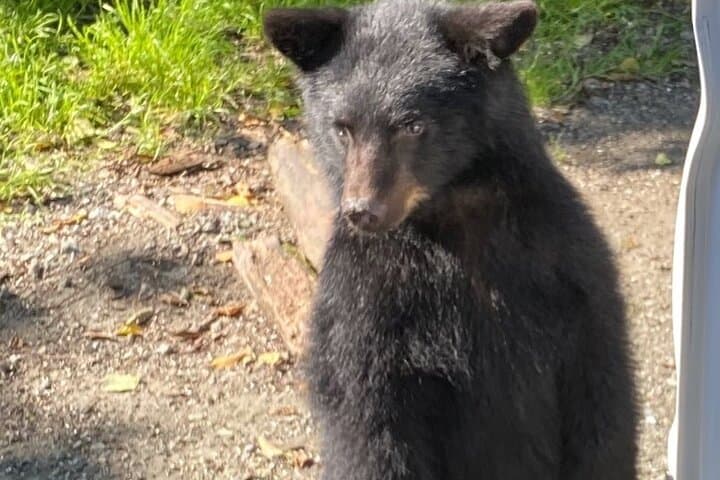
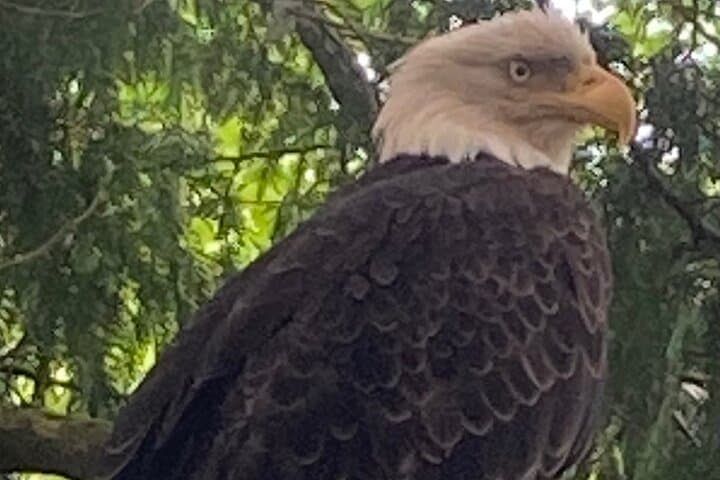
Wildlife sightings (bald eagles, seals, black bears) are common but not guaranteed—season and luck matter.
The tour is family friendly, but paths can be uneven; strollers are not recommended for beach or waterfall stops.
Cruise passengers should take the free shuttle or a short cab to Dock 2 and meet at the bronze statue “The Rock” five minutes early.
Ketchikan grew as a commercial salmon and timber center in the late 1800s; Indigenous Tlingit and Haida communities have long relied on the area’s fisheries and forests.
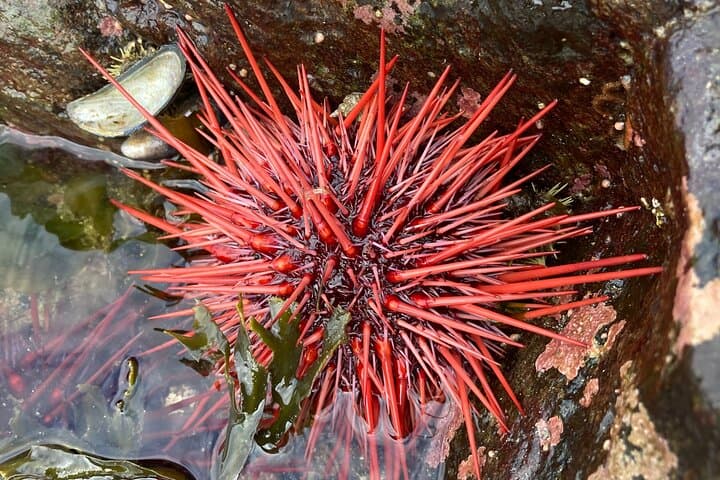
Salmon runs and intertidal zones are sensitive—stick to paths, avoid disturbing wildlife, and pack out any trash to protect spawning habitat.
Over the top tours Ak operates guided outdoor trips and adventures with an emphasis on safety, stewardship, and memorable experiences.
A humid breath of Sitka spruce and seawater rises as your guide waits by the six‑figure bronze “The Rock” on Dock 2. Within minutes the town slips behind you and the rainforest presses close—ferns brushing the bus windows, gulls arguing over a tide pool. The tour threads short walks and roadside stops into a compact narrative: a salmon ladder where fish push upriver, black sand beaches lined with driftwood, coastal meadows watching for seals, and a south-end waterfall that frames the horizon.
A humid breath of Sitka spruce and seawater rises as your guide waits by the six‑figure bronze “The Rock” on Dock 2. Within minutes the town slips behind you and the rainforest presses close—ferns brushing the bus windows, gulls arguing over a tide pool. The tour threads short walks and roadside stops into a compact narrative: a salmon ladder where fish push upriver, black sand beaches lined with driftwood, coastal meadows watching for seals, and a south-end waterfall that frames the horizon.
Ketchikan sits on the edge of the Tongass National Forest and has long been a seasonal hub for Tlingit and Haida fishers; European settlement brought commercial salmon canneries in the late 19th century. Geologically, the region is sculpted by glacial action and coastal uplift, which creates pebbled beaches and steep creek cuttings that give waterfalls their sudden drop. Local culture is visible in totem poles and harborfront history, while guides often point out the rhythm of salmon runs that still drive community life.
Practically: this is a mostly roadside tour with brief, uneven path walks—expect wet ground, muddy steps, and tidal-dependent beach access. Dress in waterproof layers, wear grippy shoes, and bring a small pack with water and a camera. Binoculars help for eagle and seal spotting. Plan for roughly two hours, be prepared to move at a steady but accessible pace, and follow your guide’s safety instructions around wildlife and shorelines.