THE ADVENTURE COLLECTIVE® · Independent discovery and booking for outdoor travel

Learn to cook wild Alaskan salmon with Ketchikan locals during a 2¼-hour hands-on class and shared meal. Combine practical cooking techniques with local fisheries knowledge and leave with recipes you’ll actually use.
Learn to cook wild Alaskan salmon with Ketchikan locals during a 2¼-hour hands-on class and shared meal. Combine practical cooking techniques with local fisheries knowledge and leave with recipes you’ll actually use.
You step inside a bright kitchen minutes from Ketchikan’s cruise docks, the smell of hot oil and cedar smoke pulling you toward a board of salmon fillets. The class begins with a local host—part fisher, part nutritionist—who maps the day for you: a quick primer on wild Alaska salmon, then hands-on stations where knives, pans and conversation move at a brisk, friendly pace.
Verified experiences and guided adventures in the surrounding area.
Operated by The Local Table · Ketchikan, Alaska
You step inside a bright kitchen minutes from Ketchikan’s cruise docks, the smell of hot oil and cedar smoke pulling you toward a board of salmon fillets. The class begins with a local host—part fisher, part nutritionist—who maps the day for you: a quick primer on wild Alaska salmon, then hands-on stations where knives, pans and conversation move at a brisk, friendly pace.
Ketchikan sits on Tongass Icefield runoff and sits within the traditional territories of the Tlingit people; seafood and totem carving shape the town’s culture and economy. Geologically, Southeast Alaska is a rugged fringe of fjords, fjord-fed rivers and narrow estuaries that concentrate returning salmon, which is why this community evolved around the fishery. Expect local stories about gillnetters, hatchery practices and how seasonal runs set the rhythm of life here.
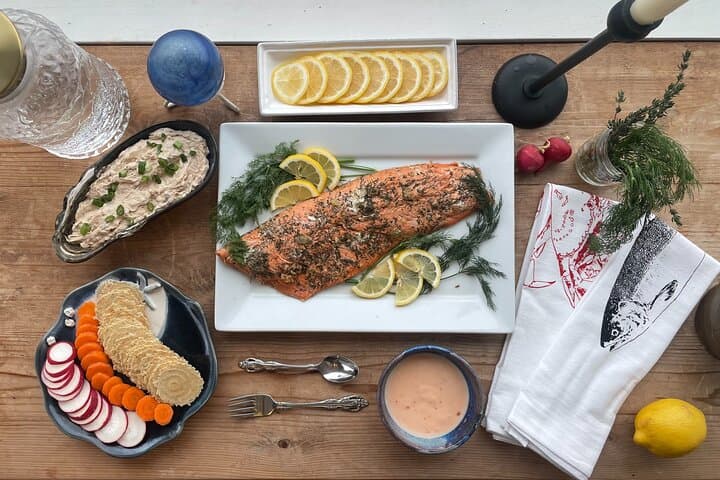
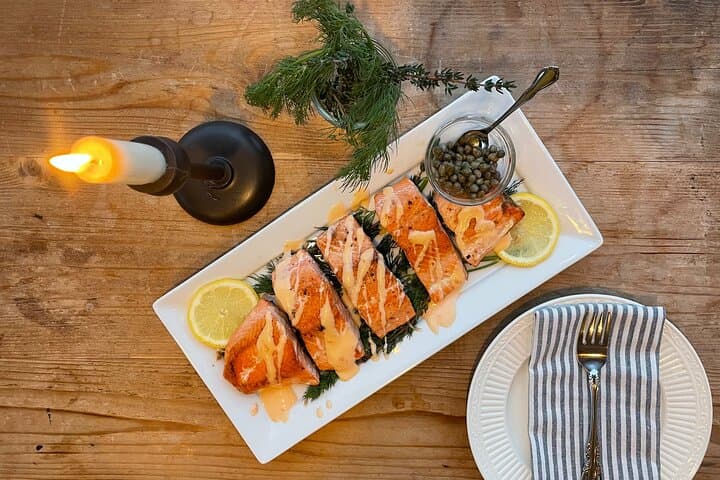
The session covers smoked salmon dip, pan-seared fillets and salmon cakes—techniques you can replicate at home—paired with simple sides and local insights on sourcing wild-caught fillet. The class runs about 2¼ hours in a small group, so you’ll have time to ask where to buy fresh fillets, and how to recognize sustainably harvested fish.
Practical notes: arrive with closed-toe shoes, plan to stand, and be ready to taste and take photos. It’s a great prelude to a fishing charter or a stroll on Creek Street; bring home recipes and a clearer sense of why Alaska salmon matters to both table and tide.
easy.
2–3 hours.
Light physical activity; you should be able to stand and move for two hours.
No—classes are designed for all skill levels; hosts demonstrate techniques and guide you through each recipe.
The kitchen is not allergen-free; pescatarian options are standard—notify special dietary needs when booking and the host will advise.
The venue is a short walk or quick taxi ride from downtown cruise ship docks—allow time for disembarkation and local transport.
Yes; recipes and practical tips are shared so you can recreate the dishes after your trip.
Ketchikan’s identity grew from commercial fisheries and Tlingit culture; salmon runs have long shaped local subsistence and trade.
Alaska’s salmon fisheries are tightly managed with quotas and hatchery programs; learn about sustainable sourcing and reduce waste by taking leftovers and using reusable containers.
The Local Table operates guided outdoor trips and adventures with an emphasis on safety, stewardship, and memorable experiences.
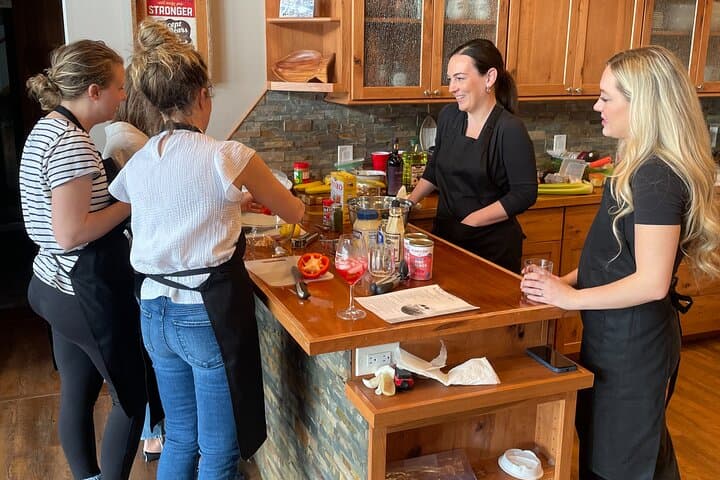
You step inside a bright kitchen minutes from Ketchikan’s cruise docks, the smell of hot oil and cedar smoke pulling you toward a board of salmon fillets. The class begins with a local host—part fisher, part nutritionist—who maps the day for you: a quick primer on wild Alaska salmon, then hands-on stations where knives, pans and conversation move at a brisk, friendly pace.
You step inside a bright kitchen minutes from Ketchikan’s cruise docks, the smell of hot oil and cedar smoke pulling you toward a board of salmon fillets. The class begins with a local host—part fisher, part nutritionist—who maps the day for you: a quick primer on wild Alaska salmon, then hands-on stations where knives, pans and conversation move at a brisk, friendly pace.
Ketchikan sits on Tongass Icefield runoff and sits within the traditional territories of the Tlingit people; seafood and totem carving shape the town’s culture and economy. Geologically, Southeast Alaska is a rugged fringe of fjords, fjord-fed rivers and narrow estuaries that concentrate returning salmon, which is why this community evolved around the fishery. Expect local stories about gillnetters, hatchery practices and how seasonal runs set the rhythm of life here.
The session covers smoked salmon dip, pan-seared fillets and salmon cakes—techniques you can replicate at home—paired with simple sides and local insights on sourcing wild-caught fillet. The class runs about 2¼ hours in a small group, so you’ll have time to ask where to buy fresh fillets, and how to recognize sustainably harvested fish.
Practical notes: arrive with closed-toe shoes, plan to stand, and be ready to taste and take photos. It’s a great prelude to a fishing charter or a stroll on Creek Street; bring home recipes and a clearer sense of why Alaska salmon matters to both table and tide.