THE ADVENTURE COLLECTIVE® · Independent discovery and booking for outdoor travel

Head out from Ketchikan on a 5-hour aluminum cabin cruiser to drop bait on 200–400' halibut flats. This small-group charter pushes farther for better fishing, coastal scenery, and wildlife sightings—porpoise, sea lions, and whales aren't uncommon.
Head out from Ketchikan on a 5-hour aluminum cabin cruiser to drop bait on 200–400' halibut flats. This small-group charter pushes farther for better fishing, coastal scenery, and wildlife sightings—porpoise, sea lions, and whales aren't uncommon.
The boat cuts a wake through the glassy channel and the islands break the wind into manageable pieces—salty spray against the aluminum cabin, the guide’s voice steady over the diesel hum. You feel the line slacken and the world narrows to a rod tip and the faint tug of something deep below. This is halibut fishing in the Inside Passage: a patient, physical contest that rewards timing, gear, and a willingness to go farther than half-day offerings usually do.
Verified experiences and guided adventures in the surrounding area.
Operated by Baranof Fishing Excursions · Ketchikan, Alaska
The boat cuts a wake through the glassy channel and the islands break the wind into manageable pieces—salty spray against the aluminum cabin, the guide’s voice steady over the diesel hum. You feel the line slacken and the world narrows to a rod tip and the faint tug of something deep below. This is halibut fishing in the Inside Passage: a patient, physical contest that rewards timing, gear, and a willingness to go farther than half-day offerings usually do.
Geology here is raw: fjords and glacial-carved basins that drop to 200–400 feet, where halibut lie in shadowed flats among rockfish and skate. Ketchikan’s Tlingit and Haida heritage long tied people to these waters for subsistence and trade; modern guides bridge that lineage with contemporary tackle and safety standards. Wildlife is part of the show—porpoises slicing the bow wake, sea lions hauling out on skerries, and the occasional whale spout on the horizon.
Practically speaking, expect a 5-hour trip on a hardtop aluminum cabin cruiser with groups of 5–6. Guides supply rods, bait, rain gear, boots, and instruction; you supply stamina when a big flathead takes the bite. Weather changes fast—boats shelter behind islands, but dress for wind and spray. Halibut limits and size regulations apply; your guide will brief you and help with filleting.
Bring motion-sickness remedies, a camera with a waterproof case, layered clothing, and a sturdy pair of non-slip boots. If the rod doubles over, lean into the fight: the haul is part skill, part muscle, and entirely unforgettable.
moderate.
5 hours.
Good upper-body strength helps for fighting large halibut; overall fitness can be average since crew assist with heavy work.
Yes—guides supply rods, reels, heavy tackle, bait, and instruction for every guest.
Typically yes within Alaska state size and bag limits; the guide will measure fish and advise on legal retention and filleting.
Absolutely—small group sizes and hands-on instruction make it accessible, though catching a large halibut is physically demanding.
Trips may shelter behind islands, be rescheduled, or canceled if conditions are unsafe; refund and cancellation policies apply.
These waters have long supported Indigenous Tlingit and Haida communities who harvested fish and traded marine resources; commercial and sport fishing expanded with coastal settlements in the 19th and 20th centuries.
Local guides follow state regulations on size and bag limits and encourage catch-handling practices that reduce waste; travelers should avoid discarding lines or gear overboard.
Baranof Fishing Excursions operates guided outdoor trips and adventures with an emphasis on safety, stewardship, and memorable experiences.
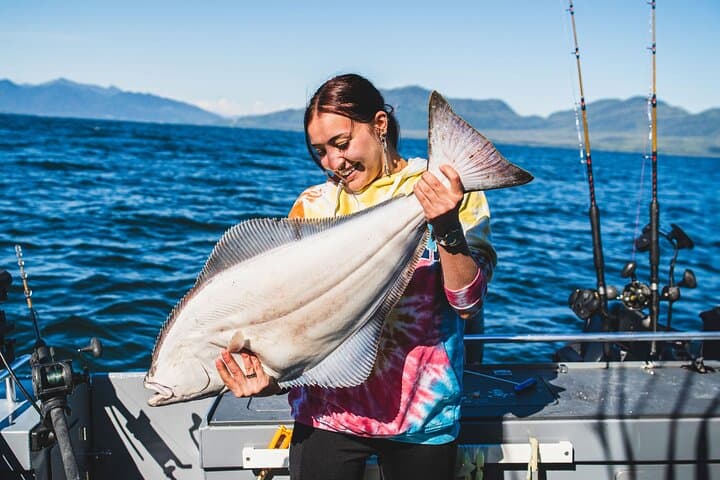
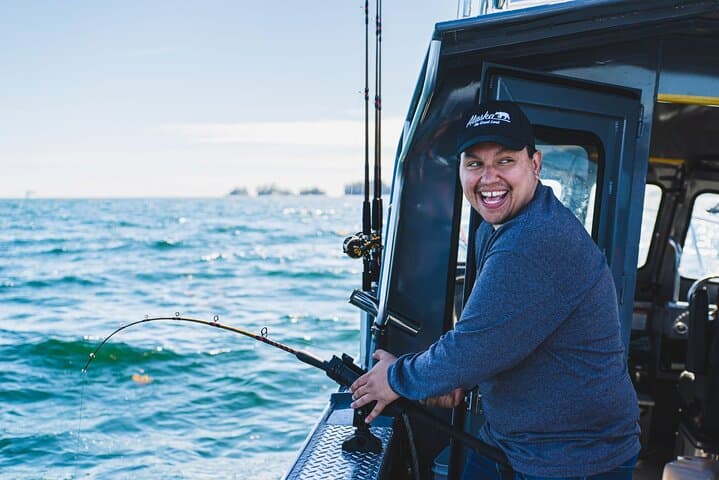
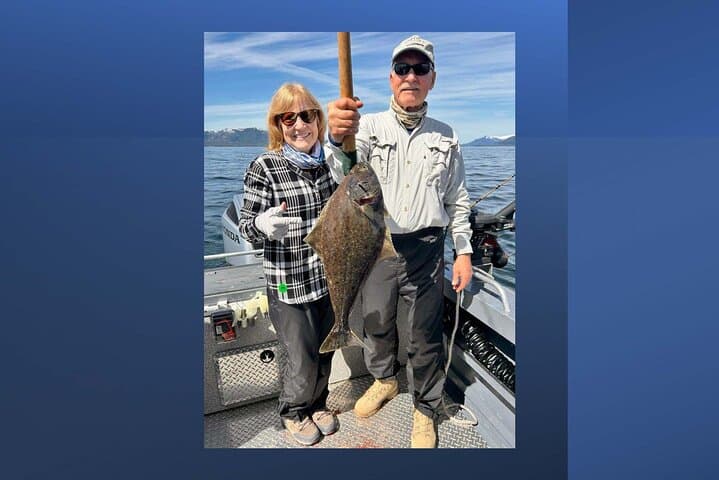
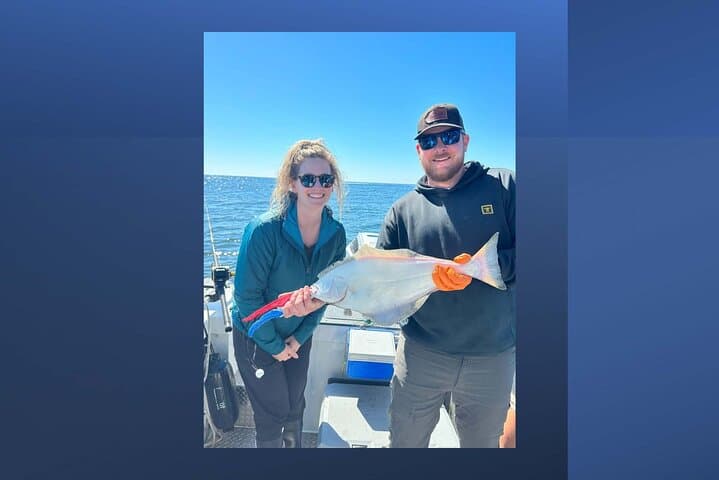
The boat cuts a wake through the glassy channel and the islands break the wind into manageable pieces—salty spray against the aluminum cabin, the guide’s voice steady over the diesel hum. You feel the line slacken and the world narrows to a rod tip and the faint tug of something deep below. This is halibut fishing in the Inside Passage: a patient, physical contest that rewards timing, gear, and a willingness to go farther than half-day offerings usually do.
The boat cuts a wake through the glassy channel and the islands break the wind into manageable pieces—salty spray against the aluminum cabin, the guide’s voice steady over the diesel hum. You feel the line slacken and the world narrows to a rod tip and the faint tug of something deep below. This is halibut fishing in the Inside Passage: a patient, physical contest that rewards timing, gear, and a willingness to go farther than half-day offerings usually do.
Geology here is raw: fjords and glacial-carved basins that drop to 200–400 feet, where halibut lie in shadowed flats among rockfish and skate. Ketchikan’s Tlingit and Haida heritage long tied people to these waters for subsistence and trade; modern guides bridge that lineage with contemporary tackle and safety standards. Wildlife is part of the show—porpoises slicing the bow wake, sea lions hauling out on skerries, and the occasional whale spout on the horizon.
Practically speaking, expect a 5-hour trip on a hardtop aluminum cabin cruiser with groups of 5–6. Guides supply rods, bait, rain gear, boots, and instruction; you supply stamina when a big flathead takes the bite. Weather changes fast—boats shelter behind islands, but dress for wind and spray. Halibut limits and size regulations apply; your guide will brief you and help with filleting.
Bring motion-sickness remedies, a camera with a waterproof case, layered clothing, and a sturdy pair of non-slip boots. If the rod doubles over, lean into the fight: the haul is part skill, part muscle, and entirely unforgettable.