THE ADVENTURE COLLECTIVE® · Independent discovery and booking for outdoor travel

A full-day escape from Nairobi into the Aberdare foothills: a shaded forest walk to Gatamaiyu Waterfall, sightings of elephant pools and colobus monkeys, then an adrenaline lift on canopy ziplines. Practical, family-friendly and rich with birdlife.
A full-day escape from Nairobi into the Aberdare foothills: a shaded forest walk to Gatamaiyu Waterfall, sightings of elephant pools and colobus monkeys, then an adrenaline lift on canopy ziplines. Practical, family-friendly and rich with birdlife.
The day begins before dawn as a minivan threads out of Nairobi and climbs toward the green shoulder of the Aberdare ecosystem. By 8:15 a.m. the forest gate at Kereita opens into a cool, dim world: trunks rise like old pillars, ferns soften the track and the Gatamaiyu River gurgles somewhere below, daring you toward the valley.
Verified experiences and guided adventures in the surrounding area.
Operated by MOSHEL TOURS AND TRAVEL · Kereita, Kiambu County
The day begins before dawn as a minivan threads out of Nairobi and climbs toward the green shoulder of the Aberdare ecosystem. By 8:15 a.m. the forest gate at Kereita opens into a cool, dim world: trunks rise like old pillars, ferns soften the track and the Gatamaiyu River gurgles somewhere below, daring you toward the valley.
A guided walk through Kereita is a study in contrasts. The route drops and climbs through two steep river valleys—expect muddy, root-laced steps on the descents and short, breath-stealing climbs back to ridge level. Over roughly 6–8 km of woodland trail, hikers move through stands that are 75% indigenous trees, with pockets of bamboo and small clearings used historically by local communities. The payoff is physical and visual: Elephant Pool, a broad, slow bend where pachyderms have been known to bathe, and, after about three hours on trail, the Gatamaiyu Waterfall—an energetic 60-foot curtain that throws spray across mossy boulders.
Kereita sits on the western flank of the Aberdare ecosystem, a landscape shaped by volcanic soils and persistent rainfall. The forest is an Important Bird Area; guides will point out sunbirds, raptors and the raucous colobus monkeys that thread the canopy. Local history is visible in small ways—paths that once connected tea farms and villages, and a natural carbonated spring near the entrance where underground gases push water to the surface—a geological quirk that visitors often find surprising.
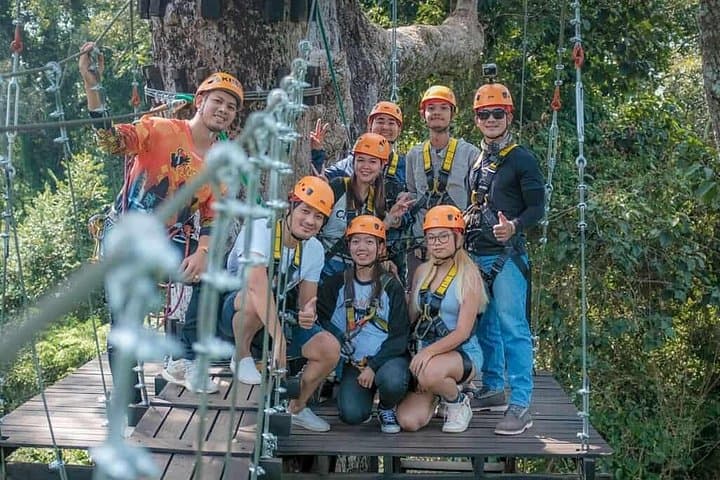
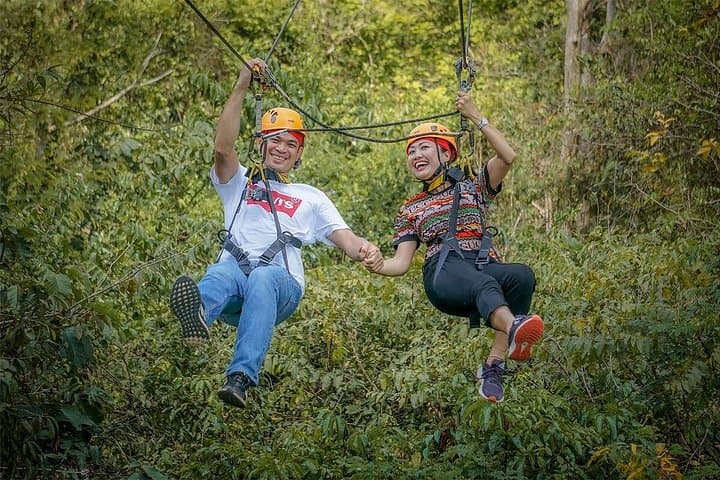
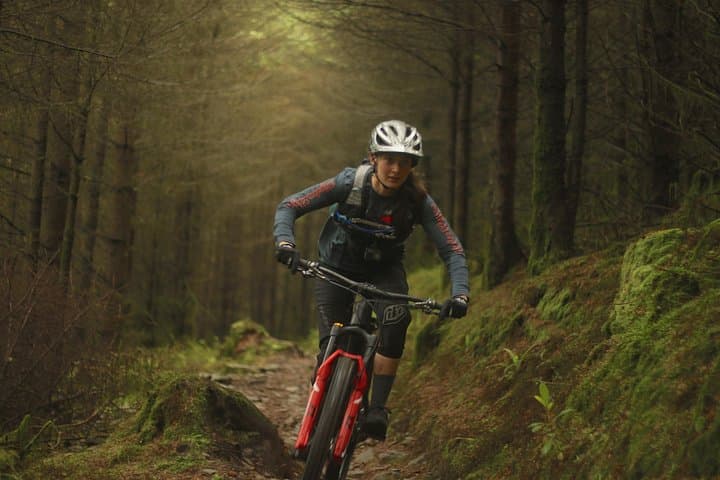
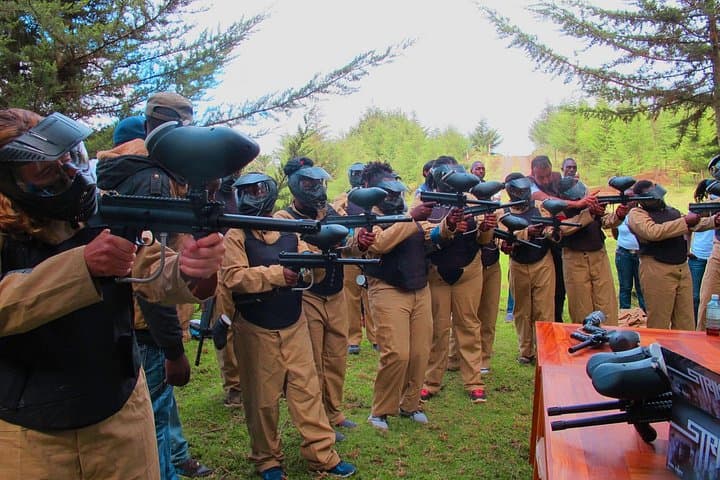
After lunch, the tempo shifts from hiking to playful adrenaline. The site’s zipline circuit ranges from beginner lines for kids to longer adult runs that shave across the canopy, giving a different view down into the valleys. Archery, horse riding and short cycling loops round out the afternoon, making the itinerary family-friendly and varied.
Practicalities: the full excursion runs about 10–11 hours door-to-door from Nairobi with hotel pickup (start 7:00 a.m., return ~6:00 p.m.). Expect uneven terrain, wet sections and a few steep pitches; total elevation change during the forest walk is approximately 200–350 m cumulative. Footwear with good tread and ankle support is essential; bring a waterproof layer, insect repellent and at least 2 liters of water—bottled water is provided, but extras are wise. Photography buffs should aim for morning light at river valleys and late-afternoon for the falls when the sun backlights spray.
This is a day that mixes lowland forest hiking, wildlife watching and zipline fun—an easy-to-access slice of Kenya’s highland green an hour from the city, with enough variety to please both nature lovers and families seeking a single-day escape.
moderate.
10–11 hours.
Suitable for people who can handle several hours of walking with short steep ascents; basic aerobic fitness recommended.
The guided walk covers about 6–8 km round-trip with two steep river valley descents and climbs, taking roughly 2–3 hours depending on pace and stops.
Yes—there are shorter, lower lines and beginner setups for kids, plus adult lines for higher-speed runs; operators brief participants and use safety harnesses.
Common sightings include black-and-white colobus monkeys, various bird species and, occasionally, elephants near water bodies; leopards are present but rarely seen by day.
The tour includes a lunch break, bottled water and basic refreshments; additional purchases like snacks or souvenirs may require cash.
Layered active clothing and sturdy shoes are best—long sleeves and pants reduce insect exposure; bring a hat and sunscreen for exposed areas.
The tour offers hotel and airport pickup around Nairobi with a typical start at 7:00 a.m.; specific pickup point and time are confirmed at booking.
Kereita lies on the western edge of the Aberdare ecosystem; paths through the forest historically linked smallholder farms and tea estates and remain in local use.
The area is classified as an Important Bird Area and conservation efforts focus on protecting forest habitats from encroachment while promoting responsible tourism.
MOSHEL TOURS AND TRAVEL operates guided outdoor trips and adventures with an emphasis on safety, stewardship, and memorable experiences.
The day begins before dawn as a minivan threads out of Nairobi and climbs toward the green shoulder of the Aberdare ecosystem. By 8:15 a.m. the forest gate at Kereita opens into a cool, dim world: trunks rise like old pillars, ferns soften the track and the Gatamaiyu River gurgles somewhere below, daring you toward the valley.
The day begins before dawn as a minivan threads out of Nairobi and climbs toward the green shoulder of the Aberdare ecosystem. By 8:15 a.m. the forest gate at Kereita opens into a cool, dim world: trunks rise like old pillars, ferns soften the track and the Gatamaiyu River gurgles somewhere below, daring you toward the valley.
A guided walk through Kereita is a study in contrasts. The route drops and climbs through two steep river valleys—expect muddy, root-laced steps on the descents and short, breath-stealing climbs back to ridge level. Over roughly 6–8 km of woodland trail, hikers move through stands that are 75% indigenous trees, with pockets of bamboo and small clearings used historically by local communities. The payoff is physical and visual: Elephant Pool, a broad, slow bend where pachyderms have been known to bathe, and, after about three hours on trail, the Gatamaiyu Waterfall—an energetic 60-foot curtain that throws spray across mossy boulders.
Kereita sits on the western flank of the Aberdare ecosystem, a landscape shaped by volcanic soils and persistent rainfall. The forest is an Important Bird Area; guides will point out sunbirds, raptors and the raucous colobus monkeys that thread the canopy. Local history is visible in small ways—paths that once connected tea farms and villages, and a natural carbonated spring near the entrance where underground gases push water to the surface—a geological quirk that visitors often find surprising.
After lunch, the tempo shifts from hiking to playful adrenaline. The site’s zipline circuit ranges from beginner lines for kids to longer adult runs that shave across the canopy, giving a different view down into the valleys. Archery, horse riding and short cycling loops round out the afternoon, making the itinerary family-friendly and varied.
Practicalities: the full excursion runs about 10–11 hours door-to-door from Nairobi with hotel pickup (start 7:00 a.m., return ~6:00 p.m.). Expect uneven terrain, wet sections and a few steep pitches; total elevation change during the forest walk is approximately 200–350 m cumulative. Footwear with good tread and ankle support is essential; bring a waterproof layer, insect repellent and at least 2 liters of water—bottled water is provided, but extras are wise. Photography buffs should aim for morning light at river valleys and late-afternoon for the falls when the sun backlights spray.
This is a day that mixes lowland forest hiking, wildlife watching and zipline fun—an easy-to-access slice of Kenya’s highland green an hour from the city, with enough variety to please both nature lovers and families seeking a single-day escape.