THE ADVENTURE COLLECTIVE® · Independent discovery and booking for outdoor travel

A full-day escape from Nairobi into Kereita Forest: hike down river valleys to a waterfall, watch for elephants at a natural pool, then trade boots for a harness and zip the canopy. This day trip blends history, geology and adrenaline with practical logistics for explorers.
A full-day escape from Nairobi into Kereita Forest: hike down river valleys to a waterfall, watch for elephants at a natural pool, then trade boots for a harness and zip the canopy. This day trip blends history, geology and adrenaline with practical logistics for explorers.
The minibus slips out of Nairobi before dawn, headlights cutting across the highland scrub as the city thins and the Aberdare foothills rise into view. Within an hour the air is cooler, thicker with pine and native forest scents; by the time you reach the Carbacid Forest Gate the noise of the city is a memory. The trail begins with a quick detour to a small carbonated spring — water forcing itself up from deep underground in fizzing bubbles — then drops you into the green long fingers of Kereita where streams dare you to stay dry.
Verified experiences and guided adventures in the surrounding area.
Operated by VALLEY ROCKS TOURS · Limuru, Kiambu County
The minibus slips out of Nairobi before dawn, headlights cutting across the highland scrub as the city thins and the Aberdare foothills rise into view. Within an hour the air is cooler, thicker with pine and native forest scents; by the time you reach the Carbacid Forest Gate the noise of the city is a memory. The trail begins with a quick detour to a small carbonated spring — water forcing itself up from deep underground in fizzing bubbles — then drops you into the green long fingers of Kereita where streams dare you to stay dry.
Kereita sits on the eastern flank of the Aberdare mountain range, a landscape of volcanic soils and steep river-cut gullies. Rivers like the Gatamaiyu have carved narrow valleys through soft lava deposits, creating the pools and waterfalls that draw elephants and people alike. But the forest’s quiet also holds a hard history: during the 1950s emergency, reprisals after the Lari massacre left mass graves here, a reminder that this land is as much witness as refuge.
The day hike is practical and purposeful. Expect two hours of steep up-and-down trail work through river valleys, crossing roots and rock slabs, then an hour more to reach Kereita Waterfall — a wide ribbon of water that piles into a rock basin below. Elephant Pool, a sheltered water body where elephants bathe in the wet months, sits along this route; patience and a slow pace can pay off with wildlife sightings.
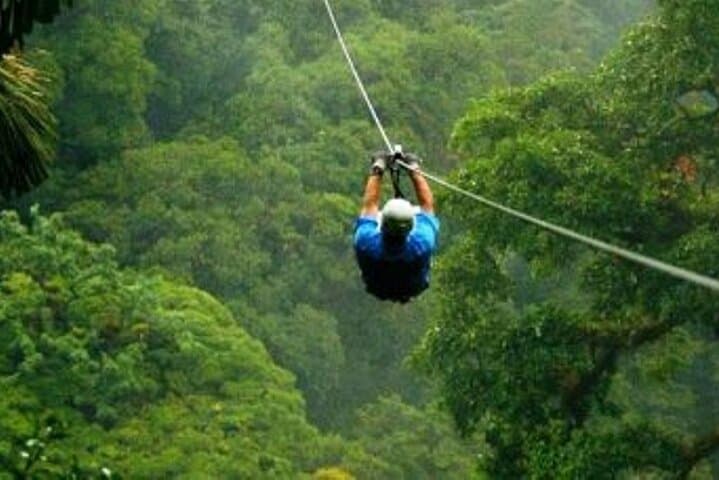
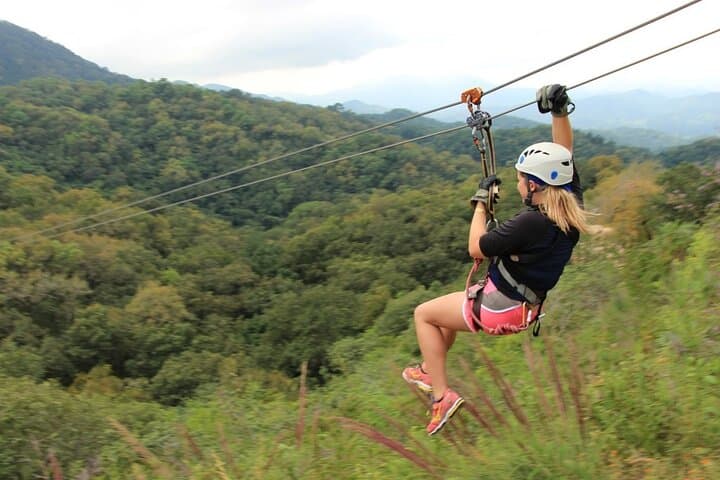
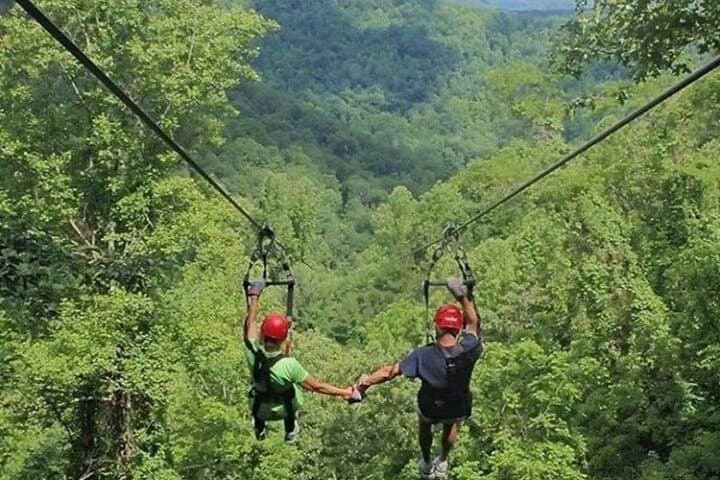
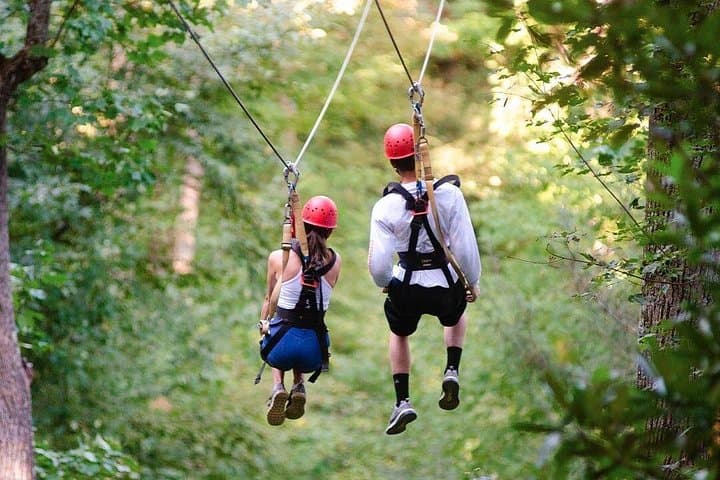
After lunch the afternoon opens into an activity hub: multiple ziplines that thread over the canopy, archery lanes, horse trails and cycling circuits. The zipline run is the trip’s adrenaline note — quick, technical, and repeated enough to satisfy even first-time flyers — while horse riding and mountain biking offer steadier ways to move through the forest.
Practicalities: this is a full-day outing (about 11 hours door-to-door from Nairobi). The walking portion covers roughly 6–8 km with intermittent steep climbs — estimate 250–400m of cumulative elevation change on uneven terrain. Trails can be muddy after rains and slippery near river crossings, so stiff-soled boots are worth the weight. Organizers provide bottled water, a guide, transport and a light t-shirt; bring extra water, cash for local purchases, insect repellent and a compact rain shell.
For those planning, mornings are cooler and clearer for hiking and wildlife; afternoons are best for zipline and activity rotations. Respect the memorial sites and local customs — guides will often weave short histories and conservation notes into the route. Kereita is a working forest, and visiting responsibly helps support reforestation and community projects that keep these valleys wild.
By dusk you’ll be back on the road toward Nairobi, tired from steps and zip-line wind, carrying a day of rivers, canopy views and a sharper sense of the Aberdare foothills’ character.
moderate.
10–11 hours (door-to-door).
Good general fitness: able to hike 6–8 km on uneven terrain with short steep sections and tolerate several hours of standing for activities.
Pickup begins around 7:00am with an arrival to Kereita at ~8:15am; expect to return to Nairobi around 6:00pm—plan for an 11-hour day.
Yes—ziplines are run by trained staff with safety gear; staff briefings and harness fitting are provided for first-timers.
Limits vary by activity; children and small teens can often participate in supervised activities, but ziplines and horse riding have weight and age minimums—confirm with the operator when booking.
Swimming is generally discouraged due to variable currents, cold water and conservation rules—ask your guide about safe viewpoints and permitted areas.
A lunch break and refreshments are included in the schedule; if you have dietary needs bring snacks and notify the operator in advance.
Public transport options exist toward Limuru and nearby towns, but private car or arranged transport is recommended for reliable timing and access to the forest gate.
Kereita Forest is part of the Aberdare foothills and also a site connected to the 1950s colonial emergency; reprisals after the Lari massacre resulted in mass graves in the area.
Local groups run reforestation and anti-logging programs; visiting supports community tourism and helps fund forest protection efforts.
VALLEY ROCKS TOURS operates guided outdoor trips and adventures with an emphasis on safety, stewardship, and memorable experiences.
The minibus slips out of Nairobi before dawn, headlights cutting across the highland scrub as the city thins and the Aberdare foothills rise into view. Within an hour the air is cooler, thicker with pine and native forest scents; by the time you reach the Carbacid Forest Gate the noise of the city is a memory. The trail begins with a quick detour to a small carbonated spring — water forcing itself up from deep underground in fizzing bubbles — then drops you into the green long fingers of Kereita where streams dare you to stay dry.
The minibus slips out of Nairobi before dawn, headlights cutting across the highland scrub as the city thins and the Aberdare foothills rise into view. Within an hour the air is cooler, thicker with pine and native forest scents; by the time you reach the Carbacid Forest Gate the noise of the city is a memory. The trail begins with a quick detour to a small carbonated spring — water forcing itself up from deep underground in fizzing bubbles — then drops you into the green long fingers of Kereita where streams dare you to stay dry.
Kereita sits on the eastern flank of the Aberdare mountain range, a landscape of volcanic soils and steep river-cut gullies. Rivers like the Gatamaiyu have carved narrow valleys through soft lava deposits, creating the pools and waterfalls that draw elephants and people alike. But the forest’s quiet also holds a hard history: during the 1950s emergency, reprisals after the Lari massacre left mass graves here, a reminder that this land is as much witness as refuge.
The day hike is practical and purposeful. Expect two hours of steep up-and-down trail work through river valleys, crossing roots and rock slabs, then an hour more to reach Kereita Waterfall — a wide ribbon of water that piles into a rock basin below. Elephant Pool, a sheltered water body where elephants bathe in the wet months, sits along this route; patience and a slow pace can pay off with wildlife sightings.
After lunch the afternoon opens into an activity hub: multiple ziplines that thread over the canopy, archery lanes, horse trails and cycling circuits. The zipline run is the trip’s adrenaline note — quick, technical, and repeated enough to satisfy even first-time flyers — while horse riding and mountain biking offer steadier ways to move through the forest.
Practicalities: this is a full-day outing (about 11 hours door-to-door from Nairobi). The walking portion covers roughly 6–8 km with intermittent steep climbs — estimate 250–400m of cumulative elevation change on uneven terrain. Trails can be muddy after rains and slippery near river crossings, so stiff-soled boots are worth the weight. Organizers provide bottled water, a guide, transport and a light t-shirt; bring extra water, cash for local purchases, insect repellent and a compact rain shell.
For those planning, mornings are cooler and clearer for hiking and wildlife; afternoons are best for zipline and activity rotations. Respect the memorial sites and local customs — guides will often weave short histories and conservation notes into the route. Kereita is a working forest, and visiting responsibly helps support reforestation and community projects that keep these valleys wild.
By dusk you’ll be back on the road toward Nairobi, tired from steps and zip-line wind, carrying a day of rivers, canopy views and a sharper sense of the Aberdare foothills’ character.