THE ADVENTURE COLLECTIVE® · Independent discovery and booking for outdoor travel

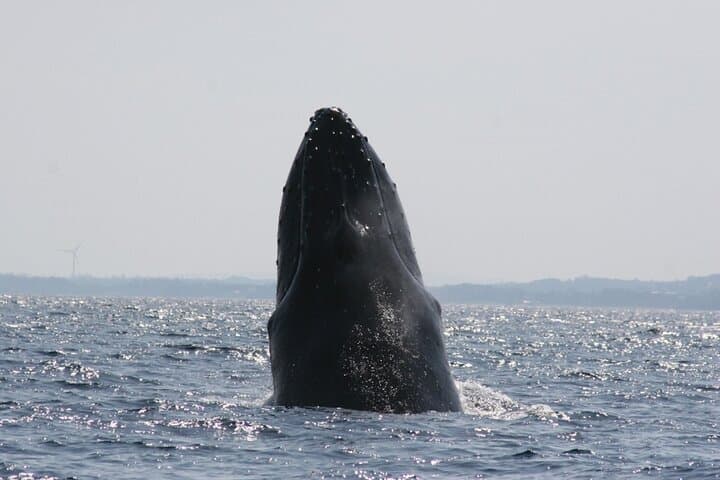
Spend a full day from Naha exploring Aharen Beach, a glass‑bottom visit to an uninhabited islet, and a guided whale‑watching search through the Kerama channel. This practical day trip pairs easy shore time with active marine watching—expect clear water, beach lunch, and weather‑dependent sightings.
Spend a full day from Naha exploring Aharen Beach, a glass‑bottom visit to an uninhabited islet, and a guided whale‑watching search through the Kerama channel. This practical day trip pairs easy shore time with active marine watching—expect clear water, beach lunch, and weather‑dependent sightings.
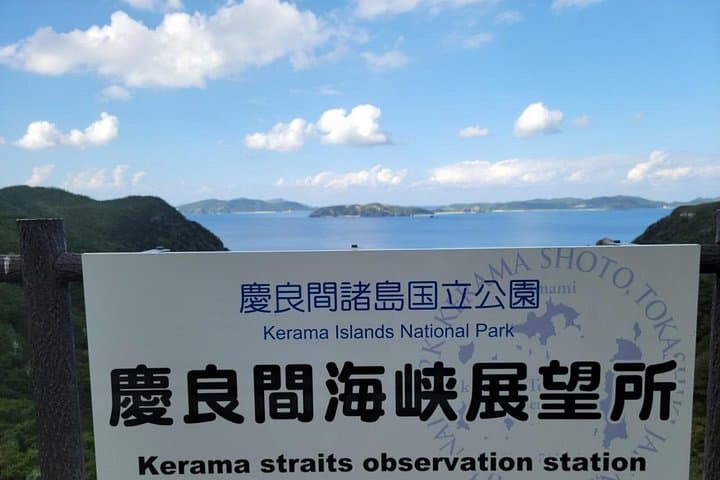
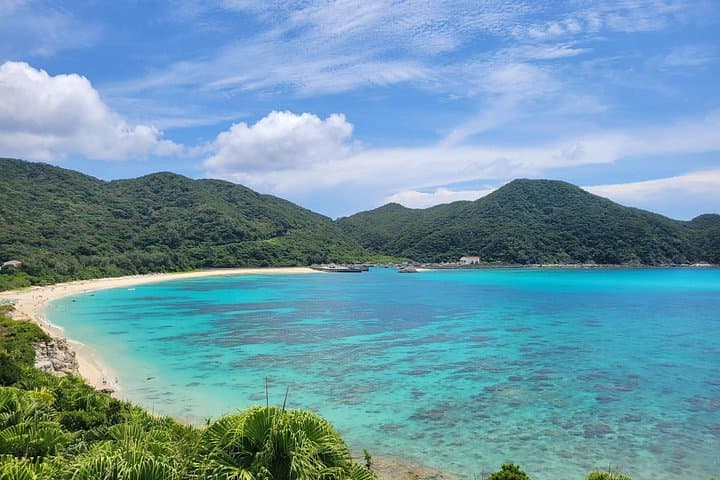
A cool ocean breeze hits the foredeck as the ferry eases away from Naha's harbor; the Kerama chain stretches ahead—low, forested islands ringed by water so clear you can see sand ripple beneath five meters of blue. On this full-day run to Tokashiki, the itinerary alternates between shoreline ease at Aharen Beach, a short glass‑bottom boat ride to an uninhabited Hanare islet, and a focused whale‑search through the channel between Kerama and Okinawa main.
Verified experiences and guided adventures in the surrounding area.
Operated by Cerulean Blue Okinawa · Tokashiki, Okinawa Prefecture
A cool ocean breeze hits the foredeck as the ferry eases away from Naha's harbor; the Kerama chain stretches ahead—low, forested islands ringed by water so clear you can see sand ripple beneath five meters of blue. On this full-day run to Tokashiki, the itinerary alternates between shoreline ease at Aharen Beach, a short glass‑bottom boat ride to an uninhabited Hanare islet, and a focused whale‑search through the channel between Kerama and Okinawa main.
Geology here is reef and raised limestone; currents have sculpted bright sand beaches and coral gardens that attract green sea turtles and tropical fish. Tokashiki sits within local marine protection efforts—the village even collects a small environmental tax to fund conservation. The island’s culture is lean and maritime: small dive shops, simple beachside lunches (curry rice is common), and a long history tied to Ryukyu fishing communities.
Practical guidance: the day starts in Naha (check‑in ~9:15) and runs about 5–6 hours. Expect a lifejacket briefing, a beach stop of ~2 hours (lunch included), an optional glass‑bottom or snorkeling session (30–40 minutes in water), then up to 2 hours of whale searching with typical observation windows of ~1 hour. Weather, sea state, and wild animals dictate schedule—operators will shorten or alter the route for safety.
Pack reef‑safe sunscreen, waterproof footwear for wet landings, a light wind layer, and seasickness meds if you’re prone. Keep distance and let the whales choose the interaction—this is their season and their space.
moderate.
5–6 hours.
Moderate fitness—able to board boats, walk on uneven sandy/rocky shore, and stand during whale watches
No—whales are wild. Operators report high encounter rates in season but cannot promise sightings and do not offer refunds if whales are absent.
Snorkeling is available on the option that includes sea turtles; it typically involves a safety briefing, gear, and ≈40 minutes in the water with a mandatory life jacket.
Most travelers stay in Naha—check in is at the Miegusuku meeting room (around 9:15); public transport options exist to the meeting area.
Yes—lunch (commonly curry rice) is included in the tour price; bring snacks and any preferred nonalcoholic drinks for the day.
Tokashiki is part of the Ryukyu island chain with a long fishing and maritime heritage; the small village economy revolves around diving and seasonal tourism.
Visitors contribute a small environmental cooperation tax on arrival; operators emphasize reef protection—avoid standing on coral, use reef‑safe sunscreens, and follow local guidance.
Cerulean Blue Okinawa operates guided outdoor trips and adventures with an emphasis on safety, stewardship, and memorable experiences.
A cool ocean breeze hits the foredeck as the ferry eases away from Naha's harbor; the Kerama chain stretches ahead—low, forested islands ringed by water so clear you can see sand ripple beneath five meters of blue. On this full-day run to Tokashiki, the itinerary alternates between shoreline ease at Aharen Beach, a short glass‑bottom boat ride to an uninhabited Hanare islet, and a focused whale‑search through the channel between Kerama and Okinawa main.
A cool ocean breeze hits the foredeck as the ferry eases away from Naha's harbor; the Kerama chain stretches ahead—low, forested islands ringed by water so clear you can see sand ripple beneath five meters of blue. On this full-day run to Tokashiki, the itinerary alternates between shoreline ease at Aharen Beach, a short glass‑bottom boat ride to an uninhabited Hanare islet, and a focused whale‑search through the channel between Kerama and Okinawa main.
Geology here is reef and raised limestone; currents have sculpted bright sand beaches and coral gardens that attract green sea turtles and tropical fish. Tokashiki sits within local marine protection efforts—the village even collects a small environmental tax to fund conservation. The island’s culture is lean and maritime: small dive shops, simple beachside lunches (curry rice is common), and a long history tied to Ryukyu fishing communities.
Practical guidance: the day starts in Naha (check‑in ~9:15) and runs about 5–6 hours. Expect a lifejacket briefing, a beach stop of ~2 hours (lunch included), an optional glass‑bottom or snorkeling session (30–40 minutes in water), then up to 2 hours of whale searching with typical observation windows of ~1 hour. Weather, sea state, and wild animals dictate schedule—operators will shorten or alter the route for safety.
Pack reef‑safe sunscreen, waterproof footwear for wet landings, a light wind layer, and seasickness meds if you’re prone. Keep distance and let the whales choose the interaction—this is their season and their space.