THE ADVENTURE COLLECTIVE® · Independent discovery and booking for outdoor travel

Spend a full day from Naha exploring the Kerama Islands' clear reefs, snorkeling at multiple sites with instructors, and watching for sea turtles and seasonal humpback whales. Practical inclusions and free underwater photos make this an accessible, photo-ready marine adventure.
Spend a full day from Naha exploring the Kerama Islands' clear reefs, snorkeling at multiple sites with instructors, and watching for sea turtles and seasonal humpback whales. Practical inclusions and free underwater photos make this an accessible, photo-ready marine adventure.
The boat cuts through glassy blue and the islands rise like short, verdant promises on the horizon — this is the Kerama Islands from Naha, where the sea draws you toward reefs alive with color.
Verified experiences and guided adventures in the surrounding area.
Operated by JOY CREATE OKINAWA TEA-DA · Naha, Okinawa
The boat cuts through glassy blue and the islands rise like short, verdant promises on the horizon — this is the Kerama Islands from Naha, where the sea draws you toward reefs alive with color.
Geology here is limestone and coral foundation; wind-sculpted cliffs and white sand beaches are products of living reef and ocean current. The human story is layered: small fishing and diving communities have long worked these waters, and traces of wartime history mark some shores. Culturally, the islands retain a relaxed pace — simple guesthouses, salt-dried fisheries and local snacks appear around beaches and piers.
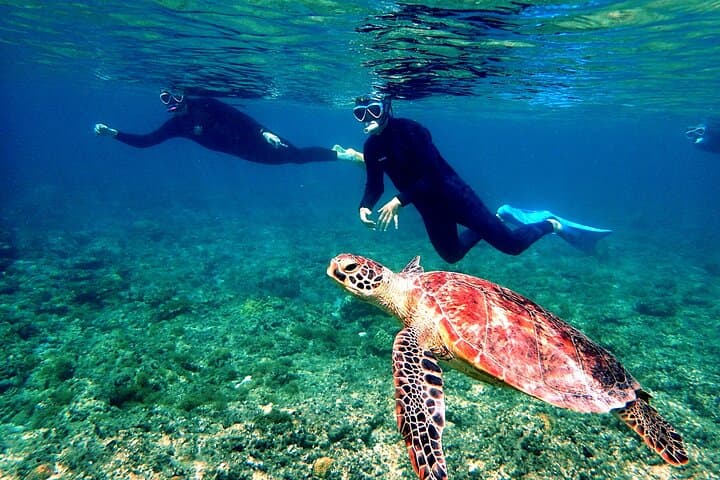
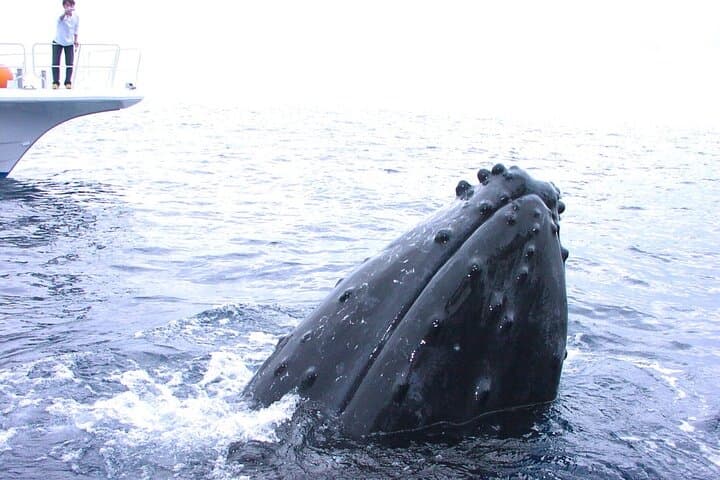
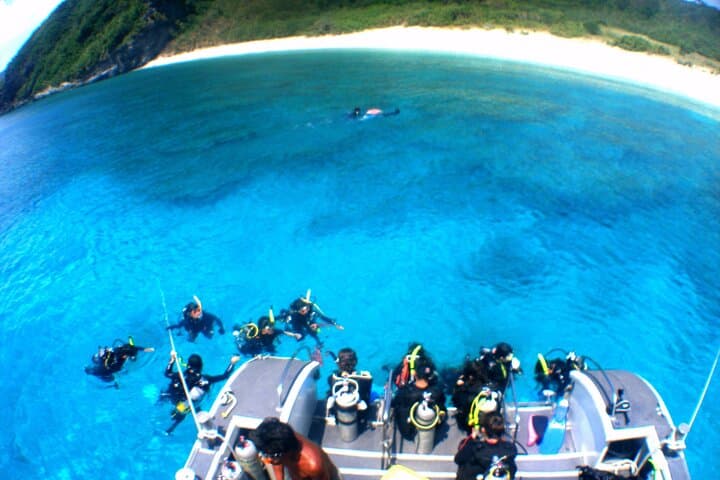
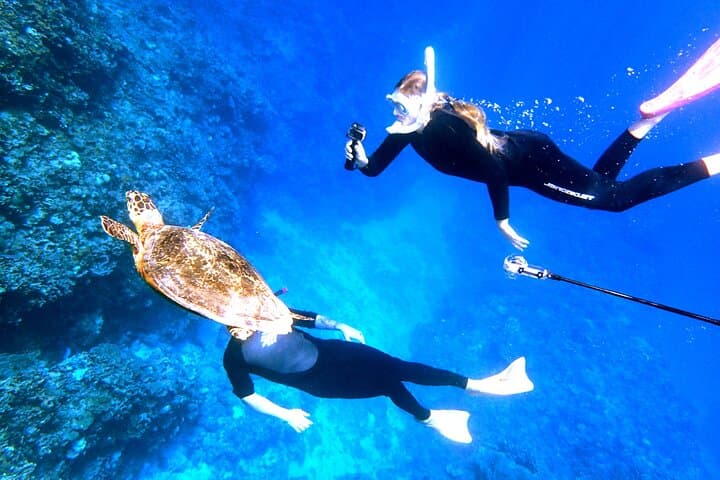
On this full-day tour you’ll visit two to three snorkeling spots (common stops include Tokashiki and Zamami areas), guided by trained instructors. Expect shallow coral gardens, abundant reef fish and frequent sea turtles; from mid-January to late March the boat may detour for seasonal humpback whale watching if conditions allow. In summer the Kerama Blue is at its most intense; in winter water temps drop to ~22°C and operators provide 3mm hooded vests and windproof coats.
Practical guidance: bring reef-safe sunscreen, a towel and motion-sickness prevention if you’re sensitive — the crossing can be breezy. Free pick-up in Naha is offered but can be limited; photos are usually provided by guides and uploaded the same day. Showers and changing rooms at return make a day-trip comfortable. Respect the reef: avoid touching coral and leave no trace — the islands depend on healthy reefs for both life and livelihood.
moderate.
7 hours (full day).
Suitable for most people who can swim short distances and tread water; requires comfortable open‑water swimming.
Snorkeling gear is provided and instructors usually take 2–3 underwater photos per person that are uploaded or available the same day.
Free pick-up within Naha city is offered but may be limited if the tour sells out—confirm your pickup point when booking.
Non-swimmers can participate if they’re comfortable wearing a life jacket or flotation ring and can follow instructor guidance; disclose swimming ability when booking.
Whale watching runs typically from January 12 to late March and may be added to the itinerary when sea and weather conditions permit, but sightings are not guaranteed.
The Kerama Islands have long been small fishing and diving communities within Okinawa Prefecture; reefs supported local livelihoods and the islands saw activity during WWII.
Reef health is fragile—operators emphasize no‑touch policies and recommend reef‑safe sunscreen; avoid anchoring on coral and follow guide instructions.
JOY CREATE OKINAWA TEA-DA operates guided outdoor trips and adventures with an emphasis on safety, stewardship, and memorable experiences.
The boat cuts through glassy blue and the islands rise like short, verdant promises on the horizon — this is the Kerama Islands from Naha, where the sea draws you toward reefs alive with color.
The boat cuts through glassy blue and the islands rise like short, verdant promises on the horizon — this is the Kerama Islands from Naha, where the sea draws you toward reefs alive with color.
Geology here is limestone and coral foundation; wind-sculpted cliffs and white sand beaches are products of living reef and ocean current. The human story is layered: small fishing and diving communities have long worked these waters, and traces of wartime history mark some shores. Culturally, the islands retain a relaxed pace — simple guesthouses, salt-dried fisheries and local snacks appear around beaches and piers.
On this full-day tour you’ll visit two to three snorkeling spots (common stops include Tokashiki and Zamami areas), guided by trained instructors. Expect shallow coral gardens, abundant reef fish and frequent sea turtles; from mid-January to late March the boat may detour for seasonal humpback whale watching if conditions allow. In summer the Kerama Blue is at its most intense; in winter water temps drop to ~22°C and operators provide 3mm hooded vests and windproof coats.
Practical guidance: bring reef-safe sunscreen, a towel and motion-sickness prevention if you’re sensitive — the crossing can be breezy. Free pick-up in Naha is offered but can be limited; photos are usually provided by guides and uploaded the same day. Showers and changing rooms at return make a day-trip comfortable. Respect the reef: avoid touching coral and leave no trace — the islands depend on healthy reefs for both life and livelihood.