THE ADVENTURE COLLECTIVE® · Independent discovery and booking for outdoor travel

A one-day boat dive from Naha to the Kerama Islands delivers bright coral gardens, drop-offs and seasonal megafauna like mantas and humpback whales. This trip requires scuba certification and offers a compact, well-run way to experience some of Okinawa’s clearest, most varied dive sites.
A one-day boat dive from Naha to the Kerama Islands delivers bright coral gardens, drop-offs and seasonal megafauna like mantas and humpback whales. This trip requires scuba certification and offers a compact, well-run way to experience some of Okinawa’s clearest, most varied dive sites.
The boat slips away from Naha’s harbor and the city’s hum falls behind; the sea opens into a wash of vivid blues and the Kerama Islands grow like scattered gems on the horizon. On a clear morning the water is a storefront of visibility—walls of coral, gardens of brain and staghorn, and small fish that move as if rehearsed. Currents here can tease and push you along drop-offs where bigger pelagics patrol.
Verified experiences and guided adventures in the surrounding area.
Operated by JOY CREATE OKINAWA TEA-DA · Zamami, Okinawa
The boat slips away from Naha’s harbor and the city’s hum falls behind; the sea opens into a wash of vivid blues and the Kerama Islands grow like scattered gems on the horizon. On a clear morning the water is a storefront of visibility—walls of coral, gardens of brain and staghorn, and small fish that move as if rehearsed. Currents here can tease and push you along drop-offs where bigger pelagics patrol.
Geologically the Keramas are the exposed edges of the Ryukyu shelf, where coral growth and limestone produce the islands’ famously white sand. The human history is compact: Ryukyuan fishing villages and a distinct island culture shaped by trade across the East China Sea; locals still mark the calendar with events such as a New Year rice-cake pounding and winter whale-watching. Marine seasons are pronounced — mantas often appear in summer, humpback whales pass through in winter — and the islands’ nearly 100 dive sites vary dramatically by island and exposure.
Practically, expect a full-day boat operation: water briefings, two-to-three dives, and limited passenger counts for comfort. A certified Open Water diver is required; rental gear is provided, but bring your logbook and mask if you prefer. Watch wind and swell forecasts—operators will cancel in poor weather and whale season adds special viewing windows. Hydrate, apply reef-safe sunscreen, and layer a suitable wetsuit for the season. On-deck breaks are quiet chances to scan for spouts; underwater, let the reef lead and give its residents room. This day trip balances high-visibility marine life with efficient logistics out of Naha, offering accessible yet serious boat diving in one of Japan’s best subtropical seascapes.
moderate.
6–8 hours.
Moderate fitness: able to climb ladders, carry equipment on and off the boat, and complete multiple dives in a day.
Yes — participants must hold an Open Water certification (or equivalent); operators will check your card and logbook at check-in.
Basic SCUBA equipment is provided (BCD, regulator, tanks, weights); many divers bring personal masks and wetsuits for fit and comfort.
Operators will cancel or reschedule if sea conditions are unsafe; for a full refund cancel at least 24 hours before departure per the operator’s standard policy.
Humpback whales are commonly sighted and whale-watching runs mid‑January through March; mantas are most often seen in summer months.
Kerama islands sit on the Ryukyu shelf and were historically part of Ryukyuan maritime routes; island villages maintain distinct fishing and festival traditions.
Coral reefs here are sensitive to warming and physical damage—practice no‑touch diving, use reef‑safe sunscreen, and follow operator briefings to minimize impact.
JOY CREATE OKINAWA TEA-DA operates guided outdoor trips and adventures with an emphasis on safety, stewardship, and memorable experiences.
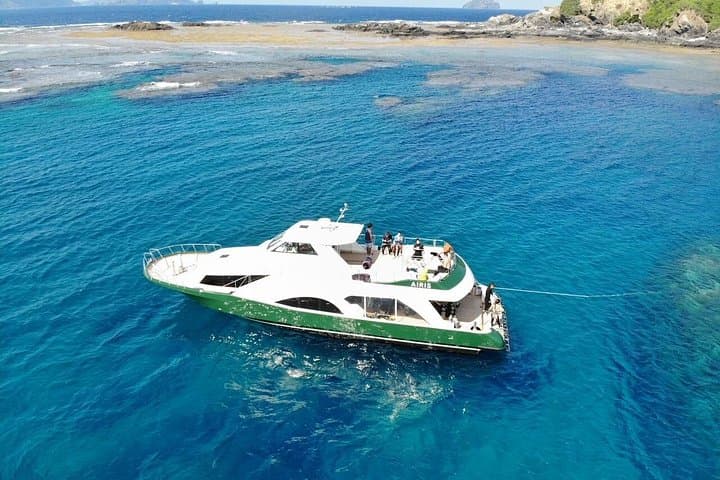
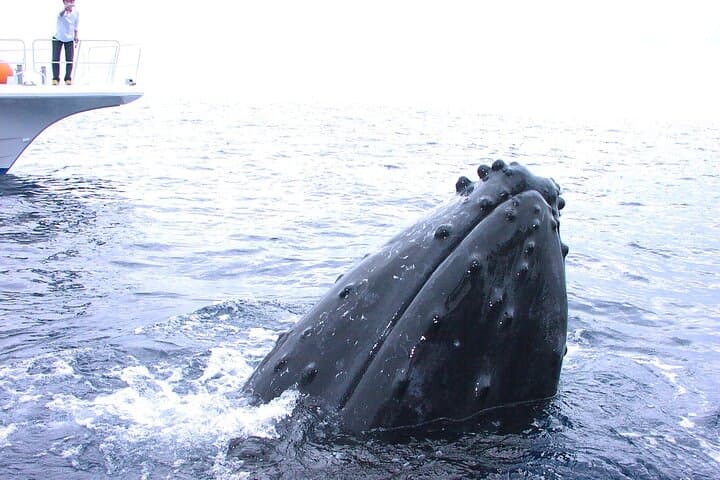
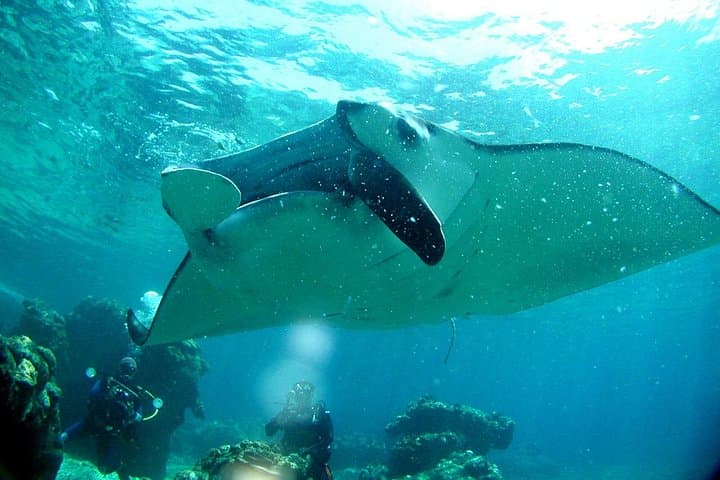
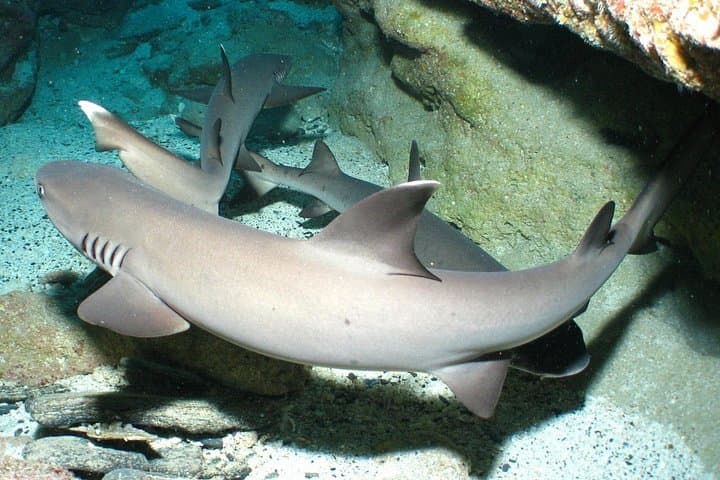
The boat slips away from Naha’s harbor and the city’s hum falls behind; the sea opens into a wash of vivid blues and the Kerama Islands grow like scattered gems on the horizon. On a clear morning the water is a storefront of visibility—walls of coral, gardens of brain and staghorn, and small fish that move as if rehearsed. Currents here can tease and push you along drop-offs where bigger pelagics patrol.
The boat slips away from Naha’s harbor and the city’s hum falls behind; the sea opens into a wash of vivid blues and the Kerama Islands grow like scattered gems on the horizon. On a clear morning the water is a storefront of visibility—walls of coral, gardens of brain and staghorn, and small fish that move as if rehearsed. Currents here can tease and push you along drop-offs where bigger pelagics patrol.
Geologically the Keramas are the exposed edges of the Ryukyu shelf, where coral growth and limestone produce the islands’ famously white sand. The human history is compact: Ryukyuan fishing villages and a distinct island culture shaped by trade across the East China Sea; locals still mark the calendar with events such as a New Year rice-cake pounding and winter whale-watching. Marine seasons are pronounced — mantas often appear in summer, humpback whales pass through in winter — and the islands’ nearly 100 dive sites vary dramatically by island and exposure.
Practically, expect a full-day boat operation: water briefings, two-to-three dives, and limited passenger counts for comfort. A certified Open Water diver is required; rental gear is provided, but bring your logbook and mask if you prefer. Watch wind and swell forecasts—operators will cancel in poor weather and whale season adds special viewing windows. Hydrate, apply reef-safe sunscreen, and layer a suitable wetsuit for the season. On-deck breaks are quiet chances to scan for spouts; underwater, let the reef lead and give its residents room. This day trip balances high-visibility marine life with efficient logistics out of Naha, offering accessible yet serious boat diving in one of Japan’s best subtropical seascapes.